Custom Ship Model Production Process
From vessel drawings and photographs to hull fabrication, deck structures, fine marine details, painting, inspection and final packaging, a professional ship model is developed through a sequence of technical planning and skilled model-making stages.
A Detailed Ship Model Starts Long Before Fabrication
The production process starts by understanding what vessel is being represented, what reference information is available and how the finished model will ultimately be displayed.
Two ships of the same general type may have different hull proportions, bridge positions, deck machinery, cranes, lifeboats, piping, masts, corporate colors and vessel markings.
For that reason, production planning should follow the actual vessel references rather than rely only on a generic ship-model template.
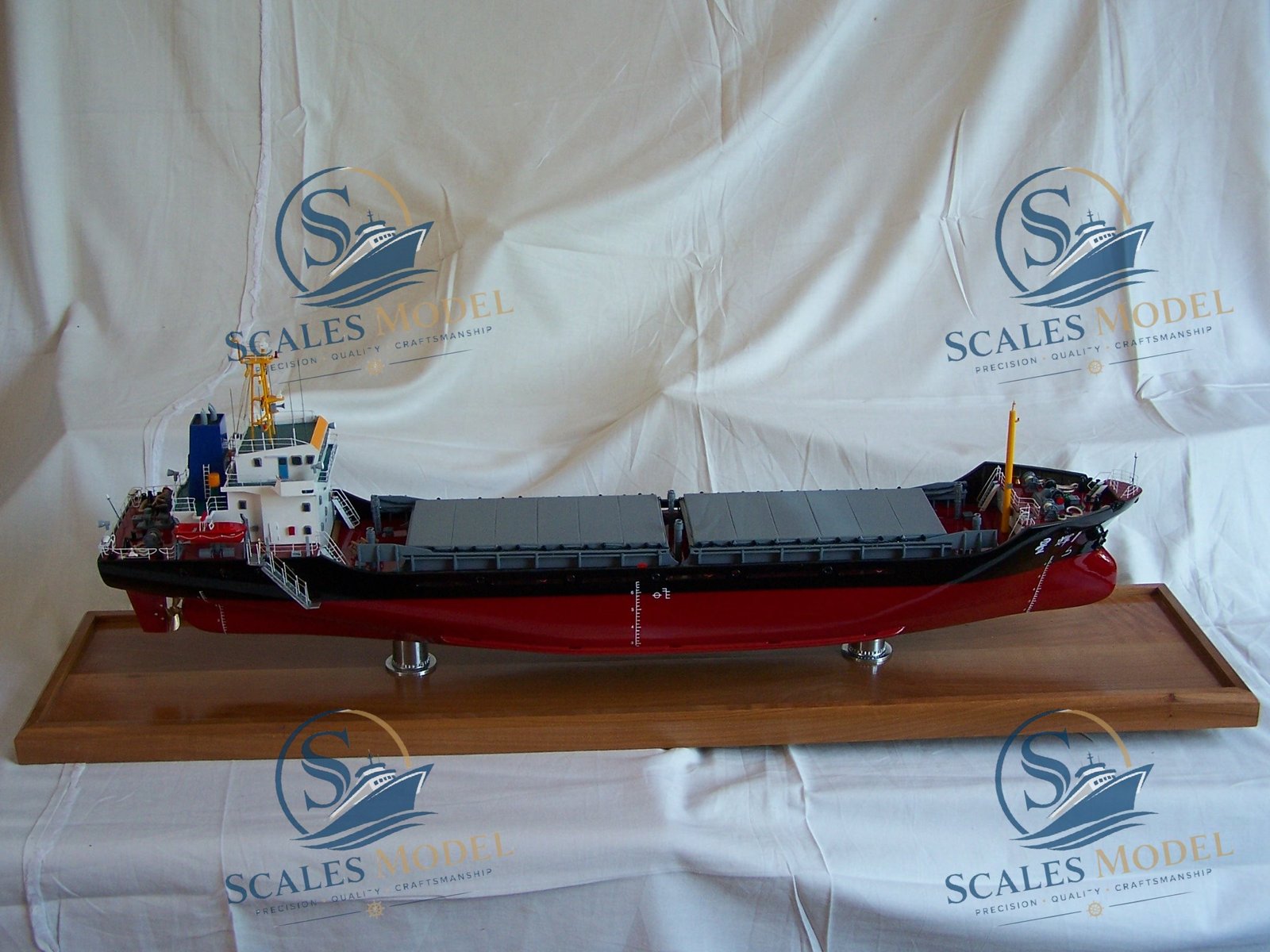
Eight Stages From Project Files to Finished Ship Model
Individual projects can vary, but the following structure shows how a vessel can move from reference information into a finished physical display model.
Review Vessel References & Requirements
Review the vessel type, drawings, photographs, CAD files, principal dimensions, desired model scale, quantity, branding requirements and final display purpose.
Convert Full-Size Information Into Model Scale
Major vessel dimensions, hull form, deck arrangement and structures are interpreted at the selected scale. The level of visible detail is planned around the final model size.
Select Materials & Production Methods
Hulls, superstructures, windows, railings, cranes, piping, antennas and other components have different structural and visual requirements, so material and fabrication choices can vary by part.
Build the Hull, Decks & Superstructure
The major structural geometry is developed first, establishing the hull proportions, deck levels, bridge position, accommodation blocks and other principal structures of the vessel.
Add Equipment, Railings, Masts & Marine Details
Cranes, winches, boats, ladders, railings, masts, antennas, piping and vessel-specific equipment are added according to the available references and suitable level of scale detail.
Paint, Graphics & Vessel Identity
Hull colors, superstructure finishes, deck colors, vessel names, hull numbers, funnel graphics and company branding transform the model into a recognizable representation of the individual vessel.
Integrate the Model With Its Display Base
The completed vessel can be integrated with a professional display base, identification plaque and other project-specific presentation elements according to the intended display environment.
Inspect, Protect, Package & Prepare for Delivery
Structure, visible detail, finish and presentation are reviewed before delicate parts are protected and the model proceeds to packaging and worldwide delivery preparation.
Start With the Vessel Information You Already Have
Different customers begin with different information, so the production route does not need to start from exactly the same file format every time.
Fabrication à partir de plans
GA drawings, vessel profiles, deck plans and technical documentation can provide dimensional model references.
Build From Drawings →Créer à partir de photos
Multiple vessel photographs can help identify equipment, colors, configuration and visual details.
Build From Photos →CAD & 3D Design
Digital engineering references can support complex geometry, scale planning and component development.
CAD & 3D Design →Determine What Matters at the Selected Scale
Scale affects not only the length of the model but also the thickness, visibility and practicality of every small component.
Overall Scale
Convert real vessel dimensions into the required finished physical model size.
Hull Geometry
Establish bow, stern, beam and waterline relationships.
Deck Arrangement
Identify major cargo, working and equipment zones.
Superstructure
Plan bridge position, accommodation and deckhouses.
Equipment Priority
Determine which machinery and components define the vessel.
Visual Identity
Plan vessel names, logos, hull markings and colors.
Different Parts Can Require Different Production Solutions
A detailed ship model is not one simple shape. It is an assembly of structural, transparent, fine-detail and decorative components.
Main Structural Parts
Hulls and large structural pieces need stable geometry and smooth surfaces.
Fine Components
Railings, antennas, ladders, piping and other thin parts require different treatment from the hull.
Clear Components
Bridge glazing and windows need appropriate visual transparency.
Surface & Graphic Finish
Paint, lettering and graphics complete the appearance of the vessel.

Digital Planning & Skilled Handcrafting Work Together
Modern custom model production can use digital references and component-production methods where useful, while assembly, alignment, surface finishing and fine-detail integration still depend heavily on skilled model-making work.
CAD-Based Planning
Digital references can help establish geometry, scale and component relationships.
Precision Fabrication
Different fabrication methods can be selected according to component shape and required detail.
Hand Alignment
Hull, decks and individual components need careful physical positioning and assembly.
Hand Detailing
Fine components, paint and final visual integration complete the physical model.
From Major Geometry to the Smallest Visible Components
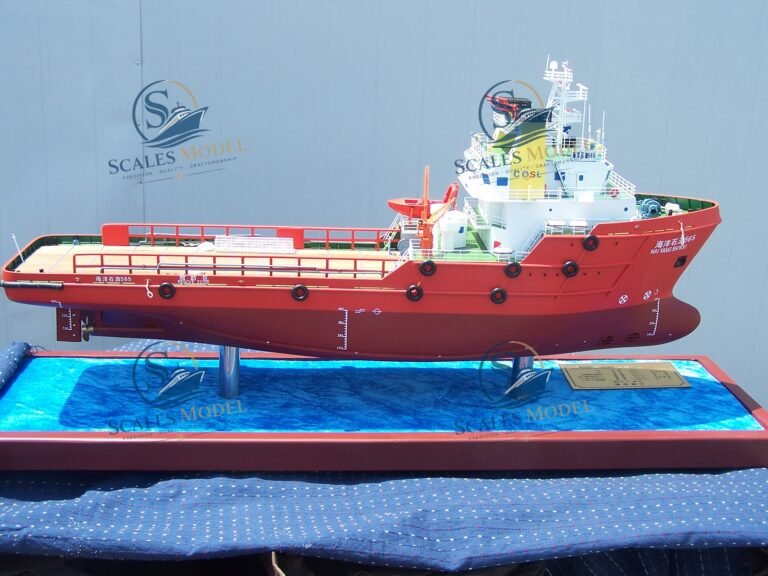
Offshore & Technical Model Detail
Complex vessels demonstrate how structural geometry, equipment, piping and working decks must be integrated into one coherent physical model.

Railings, Bridge & Deck Equipment
Fine-scale elements such as railings, ladders, anchors, lights and bridge details illustrate the level of component work possible after the main structure is complete.
Build the Vessel Layer by Layer
Fine detail normally becomes meaningful only after the major hull and superstructure relationships are already established.
Bow, Stern & Waterline
Major external geometry establishes the overall visual proportion.
Bridge & Accommodation
Deckhouses and bridge structures create vessel recognition.
Cranes, Winches & Equipment
Working equipment helps communicate the vessel's operational purpose.
Lifeboats & Workboats
Secondary craft provide additional scale and visual interest.
Railings & Ladders
Thin visible components add close-range realism.
Masts & Antennas
Upper structures often contain some of the finest model components.
Piping & Modules
Technical vessels may require dense multi-level component integration.
Masts, Sails & Rigging
Traditional vessels require a different detail strategy from modern ships.
Container Arrangement
Repeated components require consistent alignment and visual spacing.
Color & Markings Turn a Ship Type Into a Specific Vessel
The same hull type can look completely different after vessel-specific colors, logos, names, funnel graphics and deck markings are applied.
Surface preparation, consistent paint finish and accurate placement of visual identity are therefore important parts of the final production stage.
The Production Process in Six Core Phases
Project Review
Review vessel, scale, purpose and reference files.
Design Planning
Interpret drawings, photographs and digital information.
Model Production
Build hull, major structures and components.
Detail & Painting
Add equipment, colors, markings and branding.
Inspection
Review structure, finish and presentation.
Pack & Deliver
Protect the model and prepare final shipment.
The Process Adapts to the Model Being Built
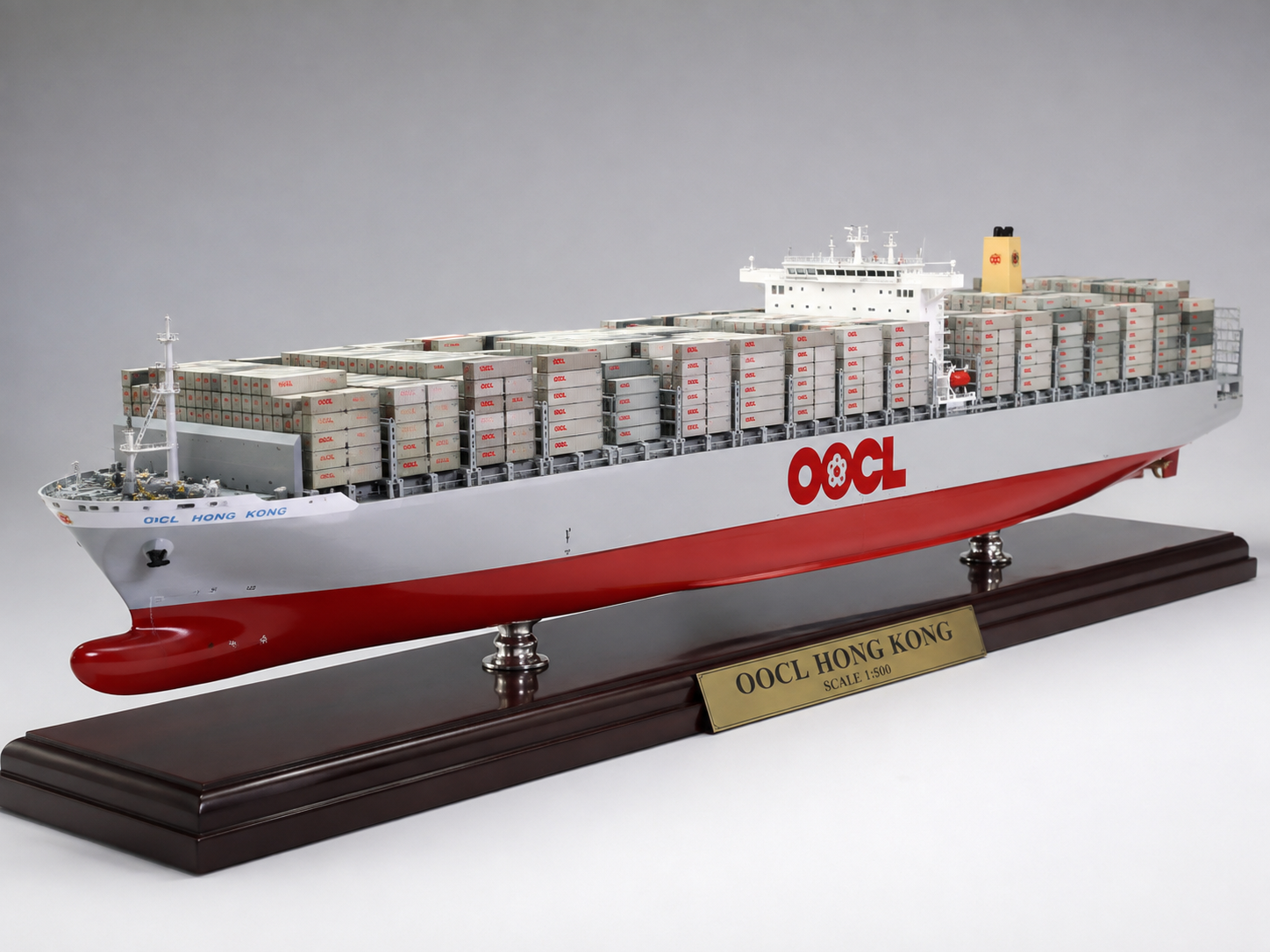
Repetition, Alignment & Corporate Identity
Container vessels require consistent repeated components, lashing structures, bridge detail, funnel graphics and shipping-line identity.
Complex Equipment & Multi-Level Detail
Offshore vessels may concentrate cranes, piping, equipment, working decks and specialist structures into a dense model.
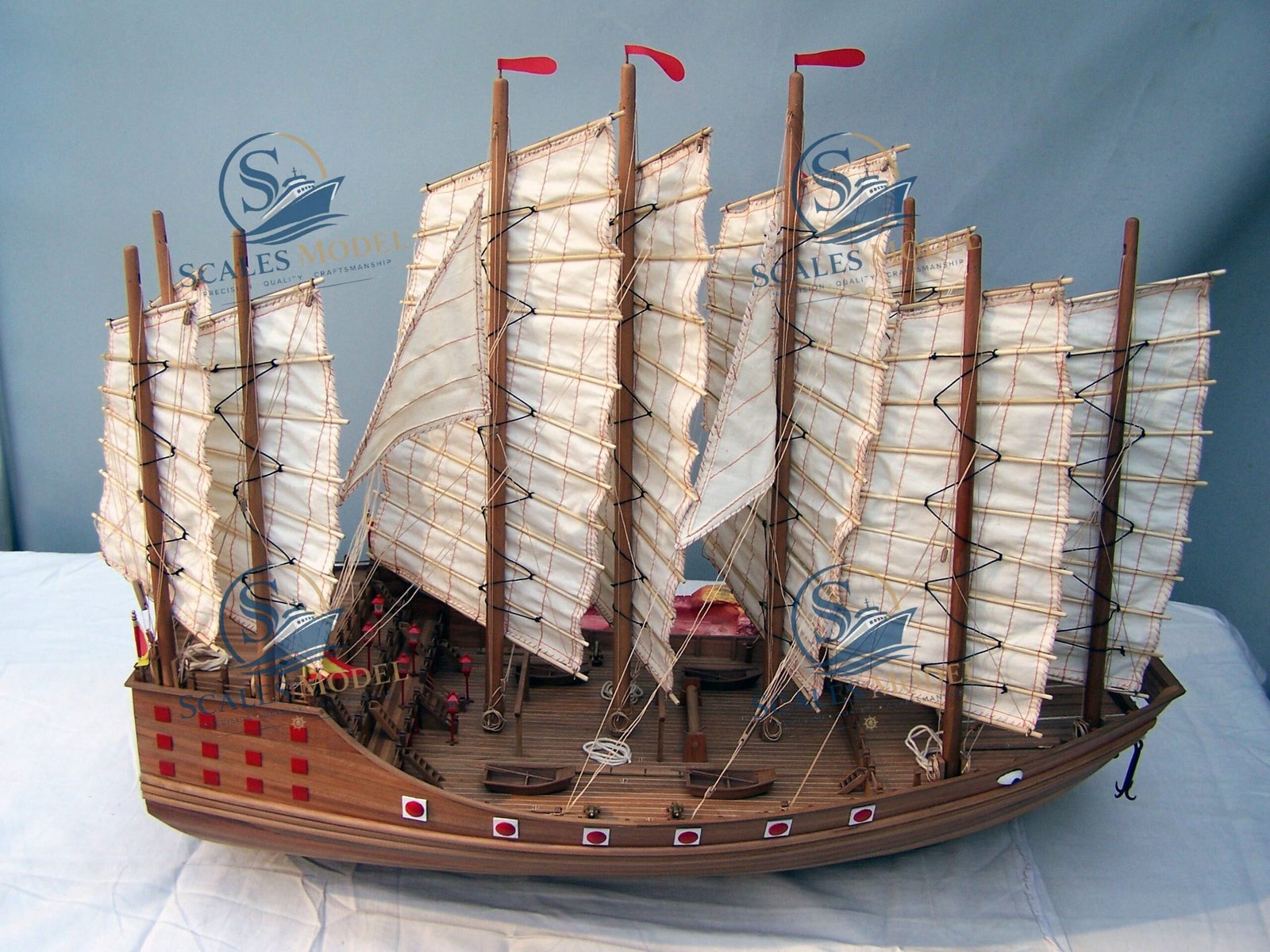
Masts, Sails & Rigging
Historical projects place greater emphasis on traditional structures, rigging, sail arrangement and historical references.

Traditional Detail Requires a Different Build Strategy
Traditional vessel geometry, sails and rigging demonstrate why one fixed production approach cannot suit every ship model category.
Marine Ship Models Manufacturing Resources
Marine Ship Models publishes additional educational resources explaining ship-model production, including reference preparation, material processing, hull and deck assembly, painting, detail installation and digital production methods.
These resources provide useful supplementary context for understanding how technical information and model-making craftsmanship can work together.
Production Does Not End When the Last Detail Is Attached
Before the finished model moves into packaging, visible structure, finish and presentation should be reviewed as a complete project.
Overall Geometry
Review hull proportions, superstructure and major alignment.
Fine Components
Review railings, masts, antennas, cranes and small equipment.
Paint & Markings
Review colors, vessel identity, graphics and visible finish.
Display Presentation
Review the model, display base and overall presentation.
Production Process Connects Materials to Final Delivery
Production Process is one part of the wider Scales Model manufacturing structure.
Livraison dans le monde entier
Prepare the finished project for final delivery.
Shipping Worldwide →Manufacturing, Design & Custom Ship Model Resources
Ship Model Production Process – Frequently Asked Questions
How does a custom ship model project begin?
Can a ship model be produced from GA drawings?
Can you make a ship model from photographs?
Can CAD and 3D information be used during production?
What is produced first — the hull or the fine details?
How are vessel colors and company logos added?
Is every ship model produced in exactly the same way?
What happens after the model is completed?
Can a display base be included during production?
What should I send to request a custom ship model quotation?
Have a Vessel You Want Recreated as a Detailed Physical Model?
Send Scales Model your available vessel drawings, photographs, CAD files, desired scale and project requirements. The available references can be reviewed to determine an appropriate production approach for your custom ship model.
Send Vessel Details & Request a Quote French
  English
  Chinese
  Spanish
  German
  Indonesian
  Korean
  Japanese