How AI and 3D Scanning Improve Custom Ship Model Accuracy
Discover how 3D scanning, digital modeling, AI-assisted analysis and engineering references can help transform a real vessel into a detailed custom scale ship model. Learn how hull geometry, vessel proportions, deck equipment and visual details can be reproduced more consistently for professional marine displays.
Explore Custom Ship Models Discuss Your ProjectCreating an accurate custom ship model involves much more than reproducing the general appearance of a vessel. The hull profile, bow and stern geometry, bridge position, deck levels, machinery, railings and other identifying features all contribute to the finished model's resemblance to the original ship.
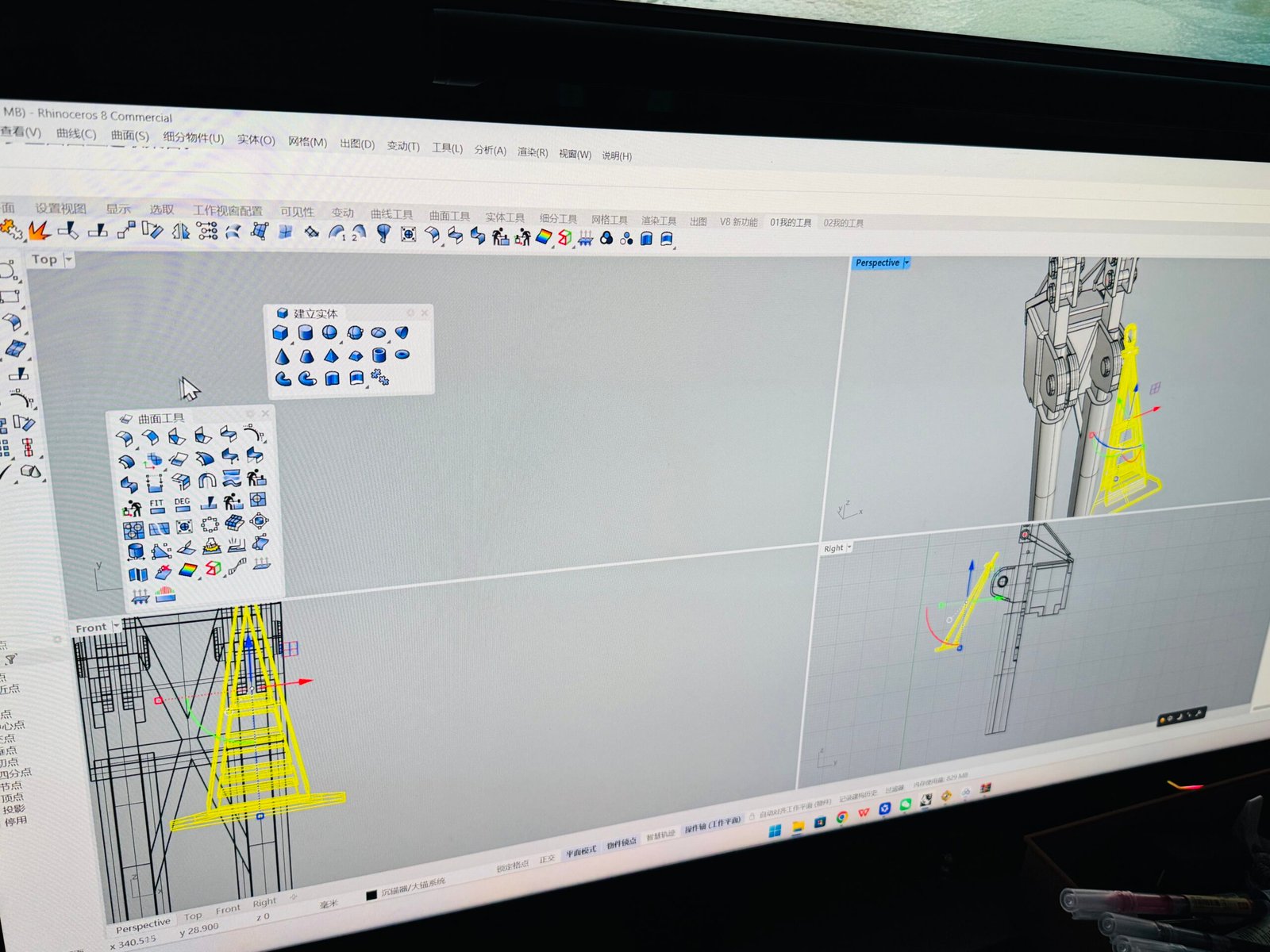
Traditional model-making skills remain essential, but digital technologies are creating new opportunities for collecting vessel information, reconstructing complex shapes and planning small-scale components. When suitable source data is available, 3D scanning, CAD modeling and AI-assisted tools can support a more structured approach to custom ship model development.
At Scales Model, custom marine models can be developed from engineering drawings, vessel photographs, known dimensions and digital design references. Combining appropriate reference materials with careful scale planning provides a stronger foundation for reproducing an individual vessel.
1. Why Accuracy Matters in Custom Ship Model Manufacturing
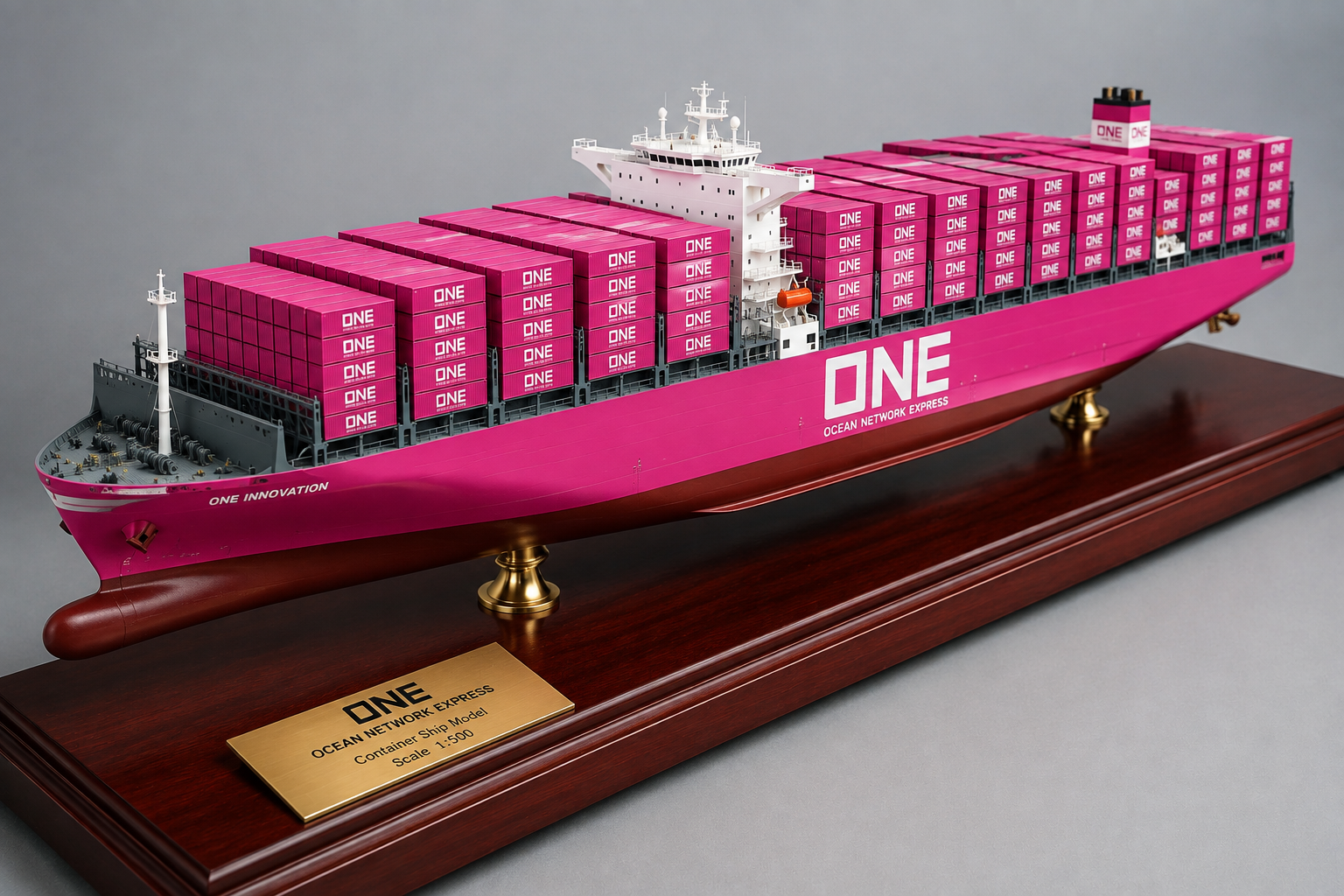
Two vessels of the same type may have very different visual characteristics. Their bridge structures, deck arrangements, cranes, funnels, lifeboats, cargo equipment and hull markings may differ even when their principal dimensions are similar.
For shipowners, shipyards, offshore operators and marine engineering companies, these differences matter. A custom model may represent a newly delivered vessel, an important fleet asset, a technical project or a company milestone. The model should therefore reflect the specific vessel rather than a generic ship design.
Hull Geometry
Hull length, beam, bow profile, stern shape and waterline influence the overall silhouette and proportions of the model.
Superstructure
Bridge position, accommodation decks, windows, funnels and other structures help distinguish one vessel from another.
Deck Equipment
Cranes, winches, piping, lifeboats, hatches and specialist machinery communicate the vessel's purpose and configuration.
Vessel Identity
Hull colors, vessel names, company logos and other markings complete the visual identity of a custom ship model.
Explore our custom ship model manufacturing service to learn how individual vessel references can be translated into a physical marine display model.
2. How 3D Scanning Supports More Accurate Ship Models
3D scanning can capture the visible surface geometry of a physical object and convert it into digital spatial data. Depending on the scanning equipment, access conditions and surface characteristics, the resulting data may help document complex shapes that are difficult to measure using photographs alone.
For a custom ship model project, suitable scanning data can provide an additional reference for understanding hull contours, external structures and the relative positions of visible components. The usefulness of the data depends on scan coverage, resolution, alignment and the quality of the original capture.
Capturing Complex Hull Shapes
A vessel's hull is a three-dimensional form rather than a simple side profile. Changes in the bow, stern, waterline and cross-section influence how the ship looks from different viewpoints. A suitable 3D scan may help document these visible surfaces and provide reference geometry for digital reconstruction.
Recording External Structures
When captured clearly, scanning data may also support the reconstruction of superstructure shapes, platforms, external equipment and other visible features. Small components may still require separate photographs, engineering drawings or manual modeling.
Working With Existing Vessels
Scanning can be particularly useful when a vessel is accessible but original design files are unavailable or incomplete. However, a scan does not automatically reveal hidden structures, internal arrangements or inaccessible surfaces. These details may require additional references.
3. The Role of AI and Digital Modeling
AI-assisted tools can help organize visual information, identify potential features in images, compare reference materials and support certain stages of digital reconstruction. Their value depends on the task, the software and the quality of the input data.
AI-generated geometry or image-based reconstruction should not automatically be treated as verified engineering data. For a vessel-specific scale model, important proportions and structures still need to be checked against reliable drawings, dimensions, scan data or multiple photographs.
Organizing Vessel References
Digital tools can help sort photographs and identify useful reference views. Engineers and model designers must still verify the vessel identity and interpret ambiguous details.
Supporting 3D Reconstruction
Image-based tools and 3D software can assist with creating an initial digital representation, which can then be reviewed and refined using reliable vessel information.
Checking Proportions
CAD measurements and known principal dimensions help establish whether the digital model follows the vessel's intended length, beam, height and major structural relationships.
Preparing Model Components
Digital modeling can support the planning of complex structures and separate components before fabrication, assembly and finishing begin.
Learn more about digital references and vessel-specific geometry on our custom ship models page .
4. From 3D Data to a Physical Scale Ship Model
A digital vessel representation must be translated into a physical model with carefully controlled dimensions. Selecting a suitable scale is an important part of this process.
The basic calculation is straightforward:
For example, a vessel measuring 100 meters in length would produce a nominal 1-meter-long model at 1:100 scale.
The same principle applies to other dimensions, provided the model is proportionally scaled. In practice, the final treatment of very small railings, antennas, cables and machinery may need to account for manufacturing limitations and visibility.
| Original Vessel Length | Selected Scale | Nominal Model Length | Typical Consideration |
|---|---|---|---|
| 100 m | 1:100 | 1,000 mm | More room for visible structural details |
| 100 m | 1:200 | 500 mm | Balanced size for many display environments |
| 100 m | 1:500 | 200 mm | Compact display with more limited fine-detail space |
| 100 m | 1:1000 | 100 mm | Suitable for compact displays and selected applications |
These figures are illustrative calculations, not fixed recommendations. The most appropriate scale depends on the actual vessel, display area, budget, viewing distance and required detail level.
Use our Scales Model website to explore custom vessel models, or discuss your preferred dimensions with our team before production.
5. AI, 3D Scanning and Traditional Ship Model Making
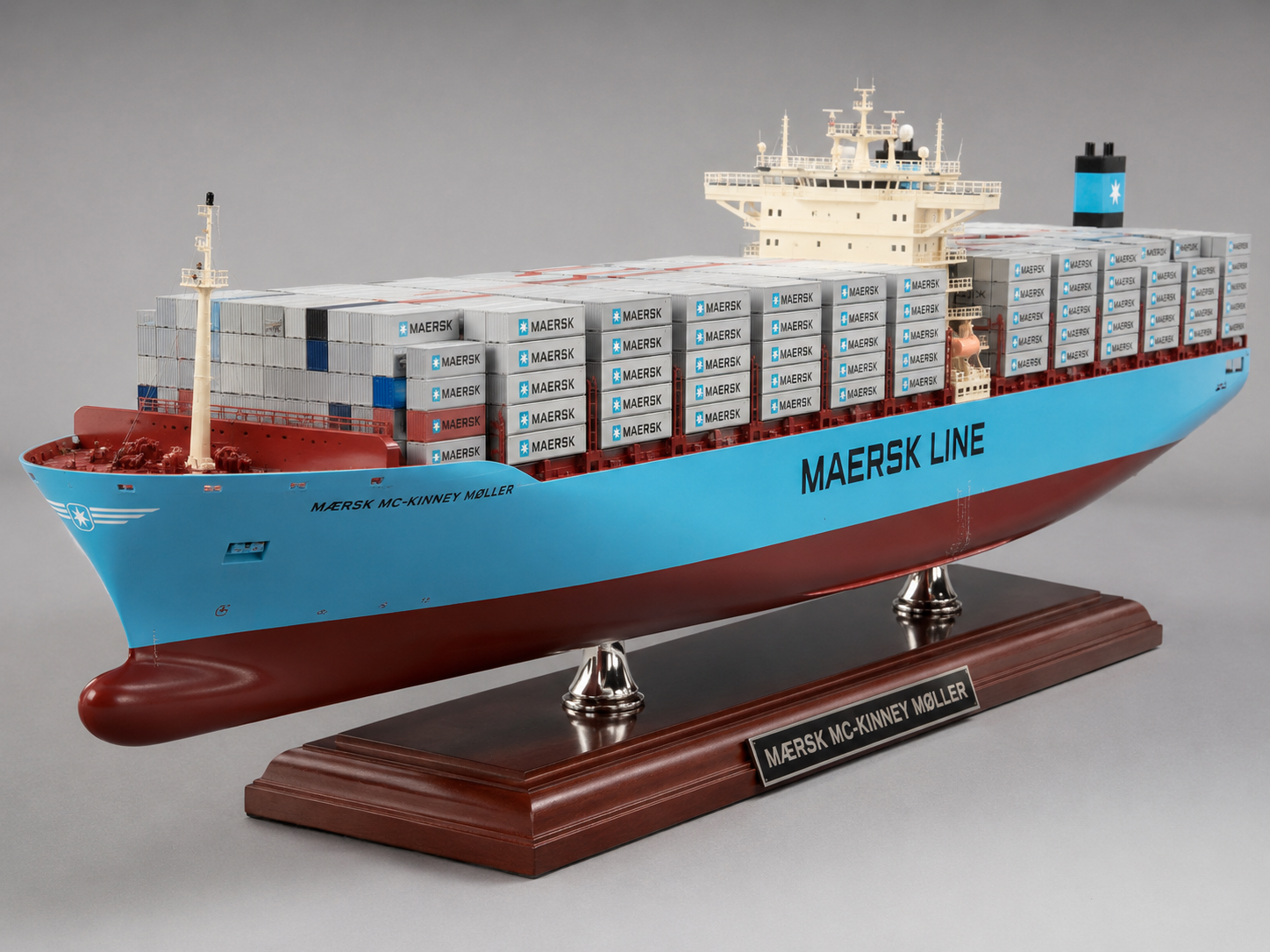
Digital technologies and traditional craftsmanship serve different purposes. Digital tools help collect, organize and interpret information, while physical fabrication and finishing turn the approved design into a display-ready model.
| Method | Primary Contribution | Important Limitation |
|---|---|---|
| 3D Scanning | Captures visible surface geometry | Depends on coverage, access and scan quality |
| AI-Assisted Analysis | Can assist image interpretation and digital workflows | Results require verification against reliable references |
| CAD and 3D Modeling | Supports dimensions, geometry and component planning | Accuracy depends on source data and modeling decisions |
| Engineering Drawings | Provide structural and dimensional references | May not show the vessel's current appearance |
| Photography | Shows colors, markings and visible equipment | Perspective can distort apparent dimensions |
| Physical Craftsmanship | Enables assembly, painting and final detailing | Requires appropriate fabrication skills and inspection |
For many projects, the strongest approach is to combine several sources rather than rely on one technology. Drawings establish dimensions, photographs show real-world appearance, and digital modeling helps coordinate the information before fabrication.
6. What Information Helps Improve Ship Model Accuracy?
You do not necessarily need a complete digital twin or a 3D scan to begin a custom ship model project. The available references can be reviewed to determine an appropriate development approach.
- General Arrangement (GA) drawing: overall vessel layout and principal structures.
- Hull lines or profile drawings: hull form, bow and stern geometry.
- Known dimensions: length, beam, height and other principal measurements.
- CAD or 3D files: useful digital geometry and component information, where available.
- Multi-angle photographs: side, bow, stern, elevated and close-up views.
- Equipment references: cranes, winches, piping, lifeboats and specialist machinery.
- Color and branding files: vessel name, company logo, hull markings and paint references.
- Display requirements: preferred scale, finished length, quantity and display case dimensions.
If your project already has technical drawings, visit Build Custom Ship Models From Drawings . If you have photographs but no original plans, explore Build Custom Ship Models From Photos .
7. Which Vessels Can Benefit From Digital Model Development?
Digital references can be useful for a wide range of custom marine models, particularly when the vessel has a distinctive shape, complex equipment or important identifying features.
Commercial Ship Models
Container ships, bulk carriers, tankers and other working vessels for fleet displays, shipowner offices and delivery presentations.
Explore Commercial Ship Models →Offshore and FPSO Models
Complex offshore vessels and floating production facilities featuring specialist decks, machinery and technical structures.
Explore Custom Models →Yacht Scale Models
Custom yachts and superyachts with vessel-specific hull profiles, deck layouts, windows and exterior finishes.
Explore Yacht Models →Shipyard and Engineering Projects
Physical models for newbuilding presentations, engineering reviews, customer meetings and professional exhibitions.
Discuss Your Project →8. How Scales Model Approaches a Custom Ship Model Project
A clear production workflow helps connect reference information with the intended physical model. Each project is assessed according to its vessel type, available documentation, preferred scale and display requirements.
Review the References
Review drawings, photographs, vessel dimensions and any available CAD or 3D information.
Plan the Scale and Structure
Establish model dimensions and identify the major structures and details that need to be reproduced.
Develop and Fabricate
Translate the reviewed references into a physical hull, superstructure and vessel-specific components.
Finish and Inspect
Complete painting, vessel markings and fine details, then inspect the finished model before protective packing.
Read more about our custom ship model manufacturing services and the available options for developing vessel-specific models.
Frequently Asked Questions
Can 3D scanning make a custom ship model more accurate?
It can improve the available geometric reference when the scan captures the relevant surfaces at suitable quality. The final result still depends on scale conversion, missing data, component modeling and physical fabrication.
Is a 3D scan necessary to make a custom ship model?
No. Many custom ship models can be developed from engineering drawings, photographs and known vessel dimensions. A 3D scan is an additional option when suitable data can be obtained.
Can you build a ship model from photographs only?
Photo-based development is possible for many existing vessels. Clear images from several angles, along with known dimensions and equipment references, help establish the vessel's appearance and proportions. Learn more about photo-based ship models.
Can AI replace traditional ship model makers?
AI-assisted tools may support selected stages of reference analysis and digital modeling, but they do not eliminate the need for reliable source information, dimensional checks, skilled fabrication, painting and final inspection.
What files should I send to request a quotation?
Send the vessel name and type, available GA drawings, hull lines, photographs, CAD or 3D files, preferred scale or finished model length, required quantity and delivery destination. Our team can review the information and advise on the next steps.
Turn Your Vessel Data Into a Custom Ship Model
Whether you have a 3D scan, CAD files, engineering drawings or only vessel photographs, the first step is to review the information available. Scales Model can help you evaluate the project requirements and plan a suitable custom scale model for corporate display, ship delivery, exhibitions or museums.
Request a Custom Ship Model Quote Explore Our Services
 English
  Chinese
  Spanish
  German
  French
  Indonesian
  Korean
  Japanese