How to Choose the Right Size for a Custom Ship Model: 30cm, 40cm or 50cm?
Choosing the size of a custom ship model is one of the first decisions to make before production begins. For a personal gift, home display or small office, models around 30cm, 40cm and 50cm can provide very different combinations of detail, visual presence and display requirements.
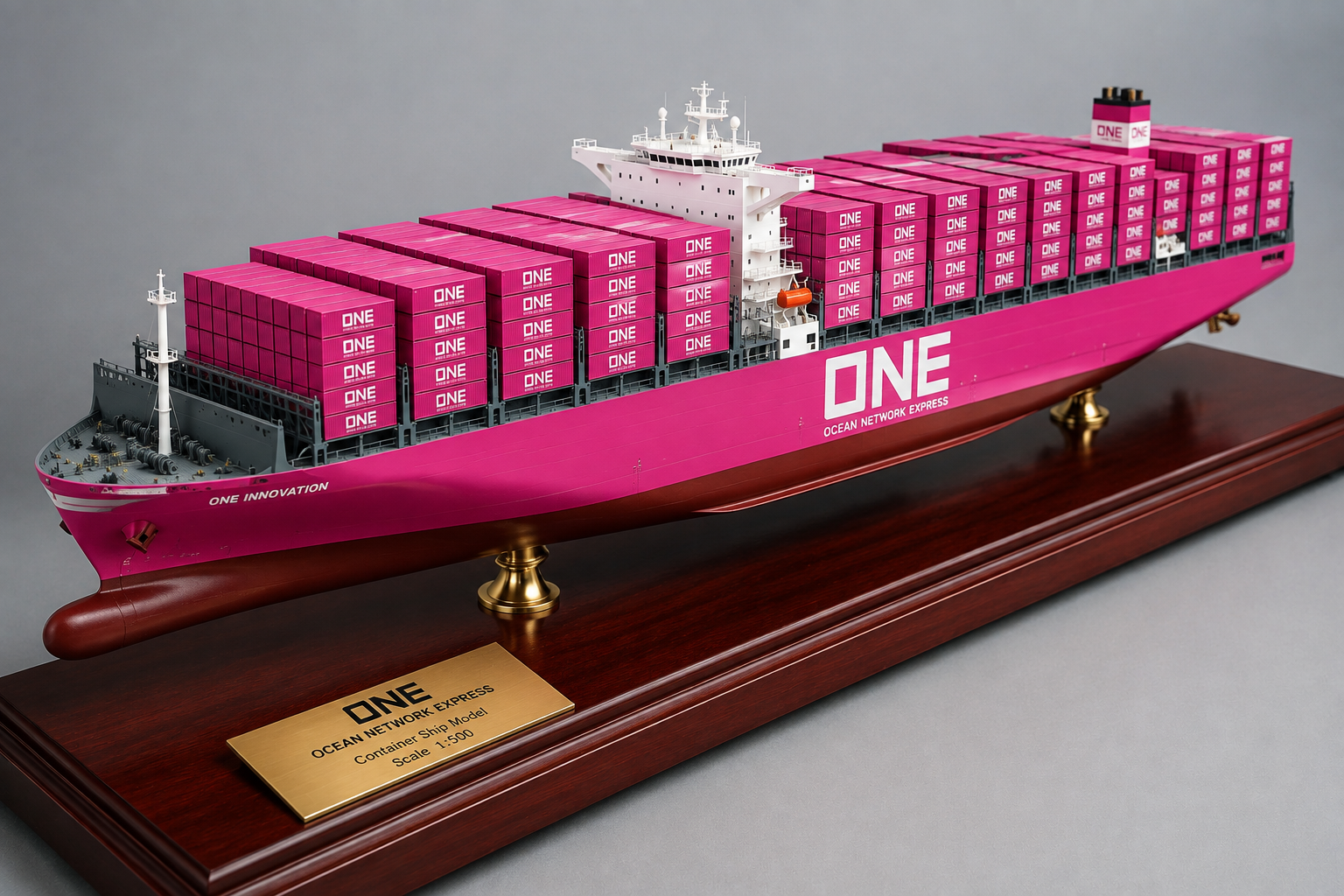
A custom ship model is not simply a smaller version of a vessel. The finished dimensions influence the amount of visible detail, the available display space, the size of the protective case and the practical requirements for transportation.
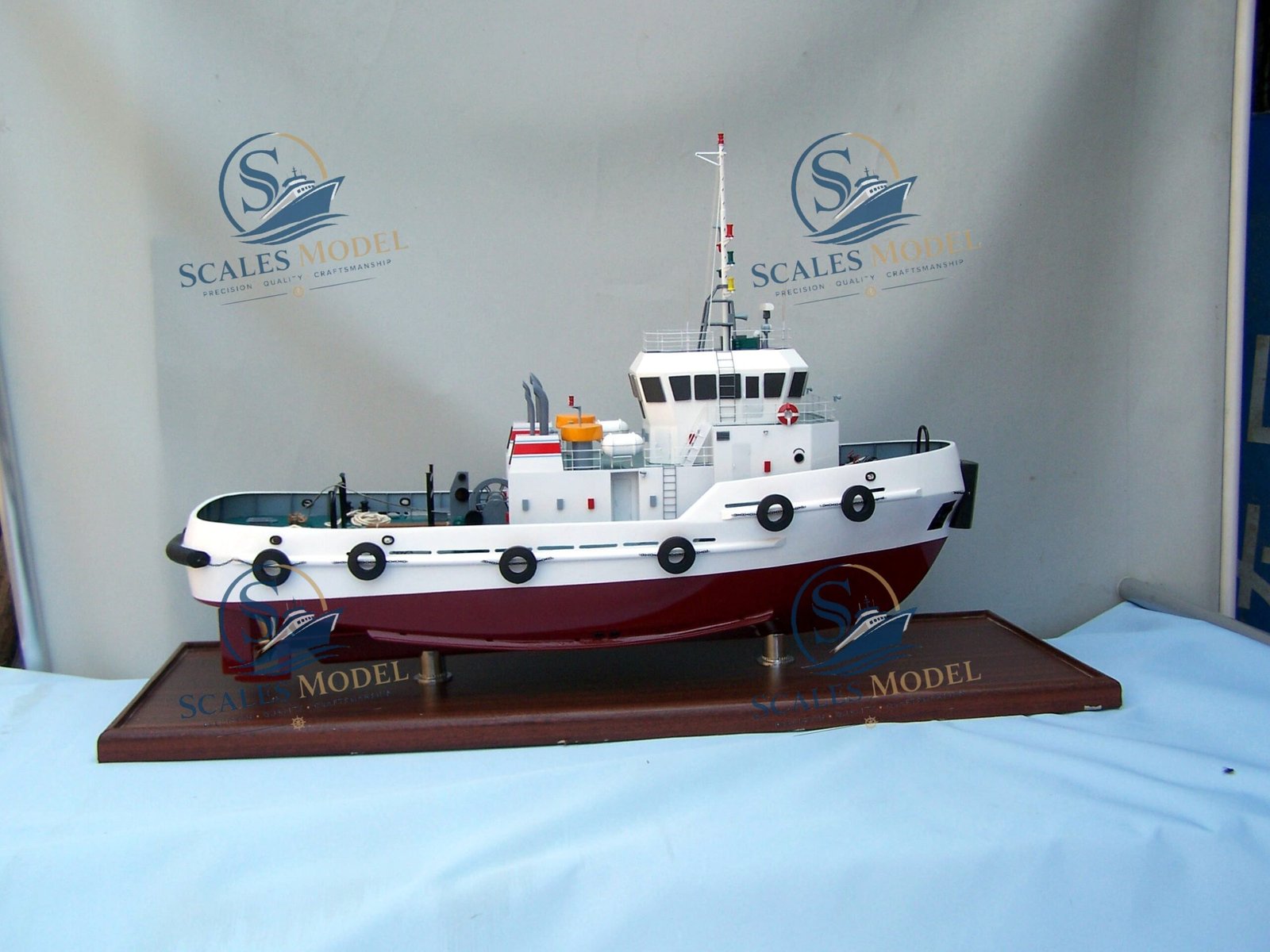
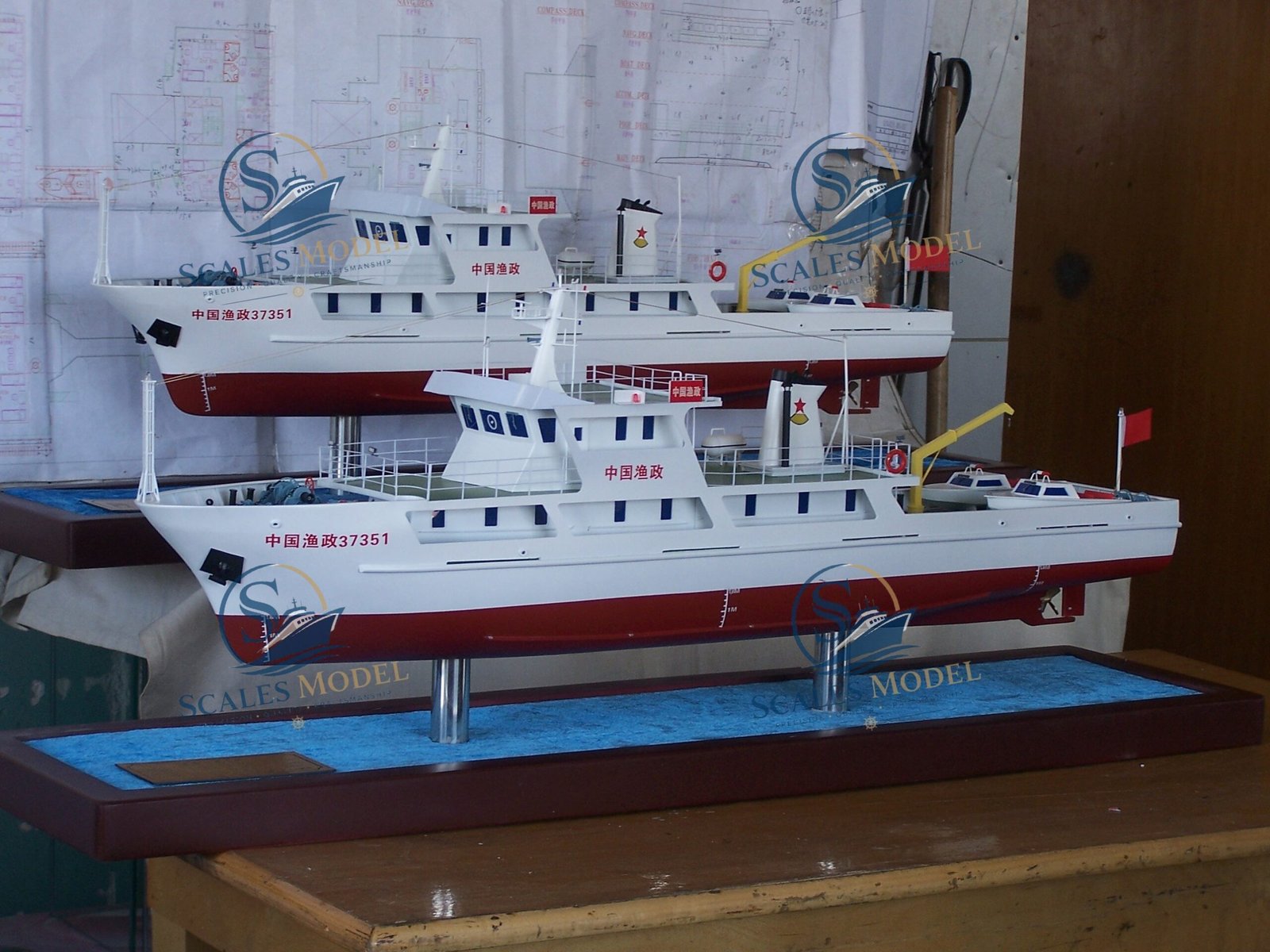
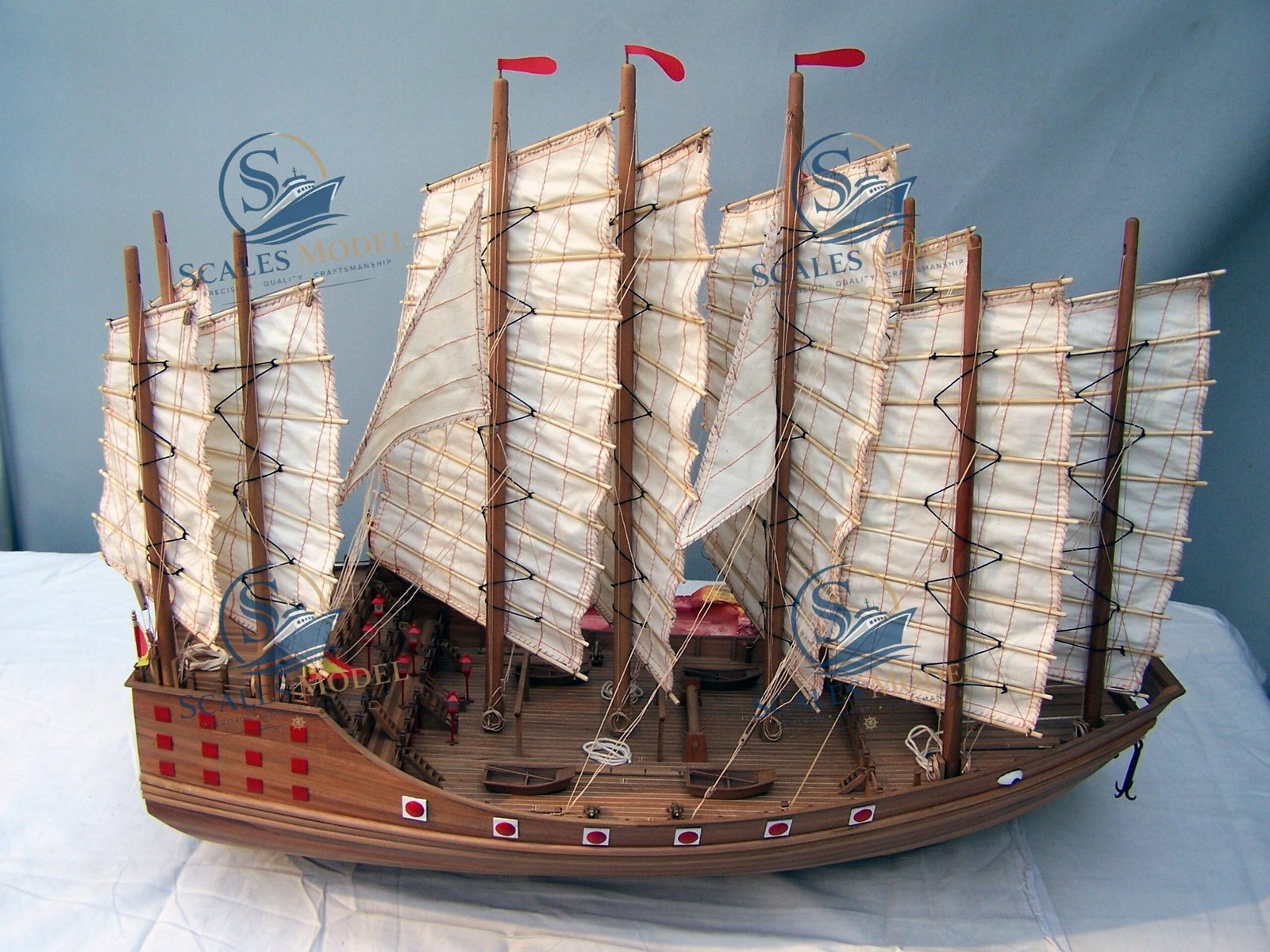
Scales Model develops custom models according to the vessel's dimensions, selected scale, intended use and available reference materials. The final model can include vessel-specific hull proportions, deck equipment, masts, railings, markings, company colors and other visible details.
Why Model Size Matters
When customers ask for a custom ship model, they often start by asking: "How large should the model be?"
There is no single size that works for every vessel. A model designed for a bedroom shelf has different requirements from a large corporate model or museum display.
Measure the available length, depth and height before deciding on the model size. Remember to allow additional space for the display base and protective case.
30cm Ship Models
A model around 30cm long is often a practical choice for personal gifts, home decoration and smaller display areas.
Compact Personal Display
- Suitable for bedrooms, shelves and cabinets
- Easy to integrate into a home display
- Lower space requirements
- Practical for personal commemorative models
- Suitable when transportation size is an important consideration
For a family or commemorative project, a 30cm model can provide a meaningful representation of a particular vessel without requiring a large display area.
40cm Ship Models
A 40cm model provides a larger physical presence while remaining relatively manageable for home and office display.
Balanced Display Size
- More physical presence than a compact model
- Useful for office or home display
- Additional space for visible deck details
- Good option when the vessel has a moderate level of complexity
50cm Ship Models
A 50cm model creates a stronger visual presence and can provide more physical space for small external features.
Larger Presentation Model
- Stronger visual presence
- More physical space for small components
- Suitable for larger shelves, offices and display cabinets
- Useful when visible detail is an important project priority
30cm vs 40cm vs 50cm
| Model Length | Typical Use | Display Space | Visual Presence |
|---|---|---|---|
| 30cm | Personal gift / bedroom / small display | Low | Compact |
| 40cm | Home / office display | Moderate | Balanced |
| 50cm | Office / showroom / larger display | Higher | Strong |
Model Length and Scale Are Not the Same Thing
It is important to distinguish between the physical model length and the model scale. A scale such as 1:100 or 1:200 describes the relationship between the real vessel and the model.
The basic formula is:
For example, a 100-meter vessel at 1:200 scale would have a mathematical model length of approximately 50cm.
The actual project scale should therefore be selected after considering the vessel's real dimensions, the target finished length and the available display area.
You can also use the Scales Model Ship Model Scale Guide to understand the relationship between vessel size and model scale.
Consider the Display Case and Base
The stated model length normally refers to the model itself. The complete display footprint can be larger after adding the presentation base and protective case.
For a home display, it is therefore useful to measure the entire area available rather than only the shelf length.
Which Size Should You Choose?
If the model is intended as a personal gift or family keepsake, a compact 30cm model may be sufficient. If you want a stronger display presence, moving toward 40cm or 50cm can provide additional physical presence and space for visible details.
The final recommendation should also consider the actual vessel. A small yacht, a workboat and a 300-meter container vessel will require very different scale calculations even if the desired display length is similar.
What Information Should You Send Before Ordering?
- Vessel name and type
- Overall vessel dimensions if available
- Desired finished model length or scale
- Available drawings or technical plans
- Photographs from different angles
- Intended display location
- Destination country for shipping
Scales Model can review these details and help determine a practical approach before production begins.
Planning a Custom Ship Model?
Tell us your vessel dimensions, desired model size and available reference materials. We can review the project and prepare a custom quotation.
Request a Custom Ship Model Quote Explore Custom Ship Models
 English
  Chinese
  Spanish
  German
  French
  Indonesian
  Korean
  Japanese