
Model Ship Care & Maintenance Guide
A detailed ship model can contain hundreds of visible components, including railings, antennas, masts, cranes, lifeboats, rigging, windows and painted surfaces. Proper display, gentle dust removal and careful handling help preserve the appearance of a custom model for offices, museums, showrooms and private collections.
Why Proper Ship Model Care Matters
Most damage to display models does not come from normal viewing. It comes from unnecessary handling, dust accumulation, aggressive cleaning or an unsuitable display environment.
The smallest components are usually the most vulnerable. Railings, antennas, radar structures, cranes, masts, rigging and lifeboat fittings may be much more delicate than the main hull or display base.
Good model care therefore focuses first on prevention: keep the model protected, minimize handling and use the gentlest practical cleaning method.
6 Golden Rules for Caring for a Ship Model
Preventive care is usually safer than frequent heavy cleaning or unnecessary repair.
Keep Dust Away
A display case or protected cabinet greatly reduces how often delicate deck equipment needs to be cleaned directly.
Avoid Direct Sunlight
Do not position the model where strong direct sunlight continuously reaches paint, graphics, sails or other visible materials.
Handle as Little as Possible
Most custom models are display objects. Avoid touching railings, cranes, masts and other fine structures.
Clean Gently
Start with a clean soft brush or gentle air movement instead of wet cleaning, scrubbing or strong chemicals.
Maintain a Stable Environment
Keep the model indoors and away from excessive heat, moisture and rapid environmental changes.
Inspect Before Moving
Check loose or delicate components before relocating, repacking or transporting the model.
What to Do — and What to Avoid
Do
Don't
A Gentle Step-by-Step Cleaning Method
The safest approach is to remove loose dust gradually, beginning with the least aggressive method.
Inspect First
Look for loose railings, antennas, rigging or equipment.
Stabilize Model
Place the model on a stable, clean and uncluttered surface.
Remove Loose Dust
Use a clean soft brush with very light pressure.
Work Top to Bottom
Begin with higher structures before cleaning lower decks.
Clean the Base
Wipe the display base separately with an appropriate soft cloth.
Reinspect
Check that no small component was disturbed during cleaning.
Start With the Least Aggressive Cleaning Method
Loose dust should usually be removed without applying unnecessary force to the model.
Use a Soft Brush
A clean, very soft brush can help move loose dust away from broad surfaces and accessible deck areas.
Support Nearby Details
Work slowly around railings, antennas, masts and crane structures.
Avoid Strong Compressed Air
Strong airflow can place unnecessary force on thin or loosely supported components.
Avoid Unnecessary Wet Cleaning
If loose dust can be removed dry, there is usually no reason to introduce liquid around painted or assembled details.
Parts That Need Extra Care
Masts
Tall, slender structures can be vulnerable to sideways pressure during cleaning and handling.
Railings
Fine railings should not be used as handholds when moving or repositioning a model.
Cranes
Crane booms and supports can contain small joints and thin-scale structures.
Antennas & Radar
Small mast-top details can be difficult to repair if they are bent or detached.
Piping
Technical and offshore models may contain many small pipes and support structures.
Lifeboats & Davits
These small assemblies should be cleaned without pulling or pushing the support structures.
Rigging
Historic sailing models may contain extensive fine rigging that should receive minimal physical contact.
Windows
Clear or glossy parts can show scratches and fingerprints more readily than painted areas.
Decals & Markings
Avoid aggressive rubbing across vessel names, fine lines, draft marks or corporate graphics.
Care Priorities Depend on the Vessel Type
Different vessel models concentrate their finest details in different areas, so cleaning should follow the structure of the individual model.
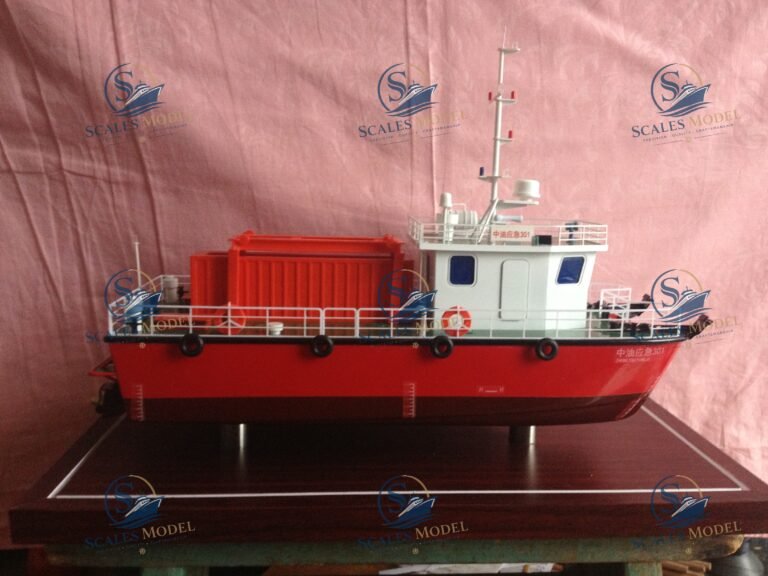
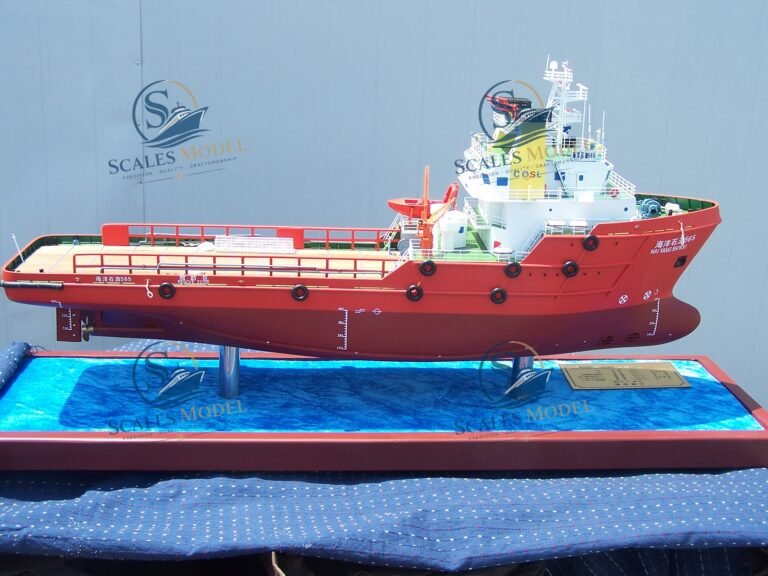
Watch Cranes, Piping & Railings
Complex offshore models can contain dense equipment arrangements, thin pipework, cranes and multiple deck levels.
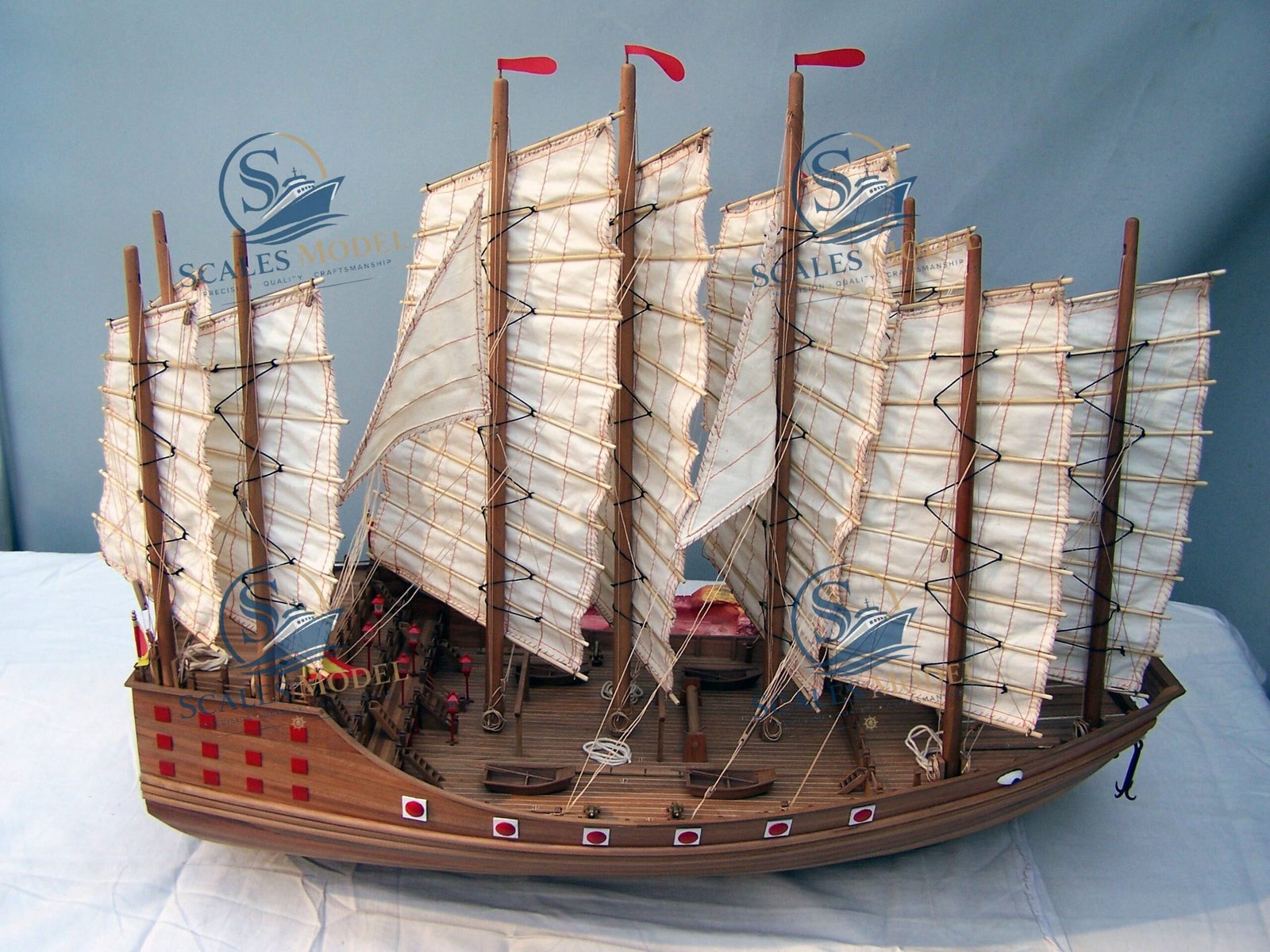
Protect Sails, Masts & Rigging
Traditional sailing models may contain extensive lines, spars, sails and delicate mast structures.
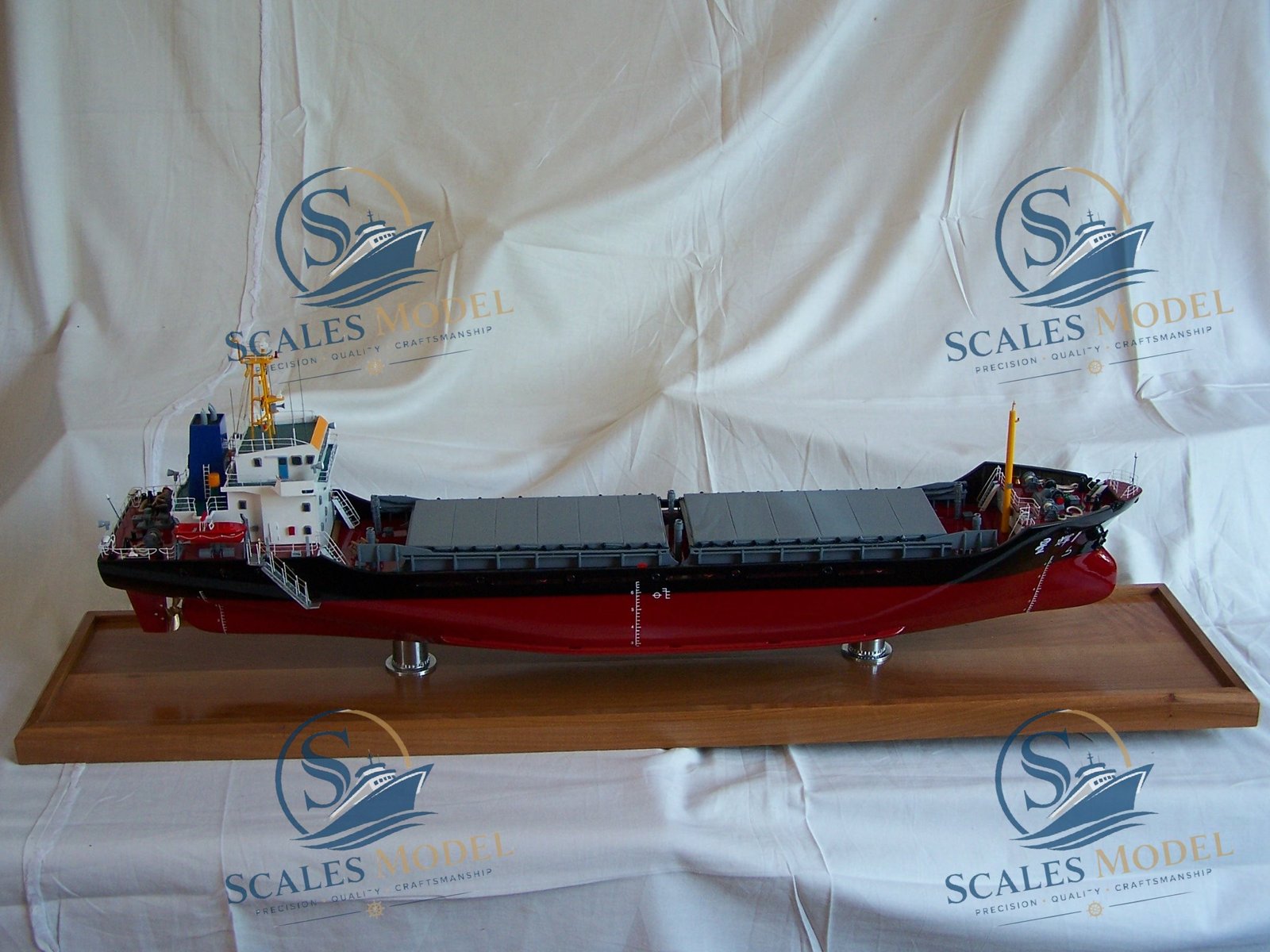
Protect Deck Equipment & Markings
Commercial vessels combine large painted surfaces with railings, deck equipment, masts and fine vessel markings.
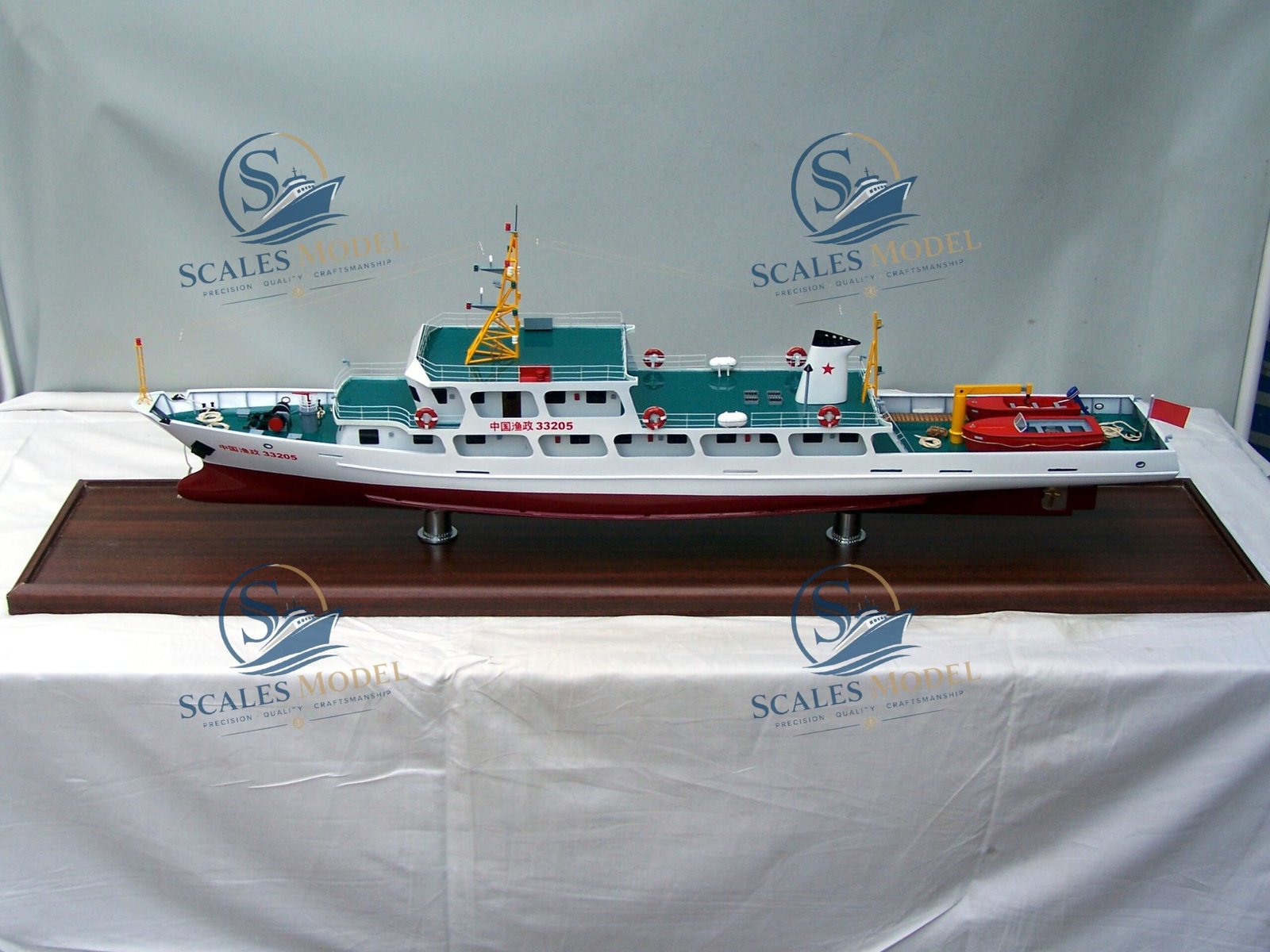
Check Boats, Antennas & Small Equipment
Specialist vessels often include unique working equipment and small deck-mounted components.
A Display Case Reduces the Need for Direct Cleaning
A clean display case or enclosed cabinet creates a physical barrier between the model and airborne dust, accidental contact and everyday activity.
This is especially useful for models with extensive railings, antennas, rigging or other fine components that are difficult to clean repeatedly.
Where possible, clean the removable case or outer display surfaces separately rather than working directly over the ship model.
Where Should You Display a Ship Model?
Choose a stable indoor location that protects the model from unnecessary environmental stress and accidental contact.
Avoid Direct Sunlight
Keep the model away from windows or positions where strong sunlight reaches it for long periods.
Avoid Heat Sources
Do not place the model immediately beside heaters, radiators or other concentrated heat sources.
Avoid Excess Moisture
Choose a dry indoor display environment rather than locations exposed to condensation or excessive moisture.
Avoid Rapid Changes
A stable indoor environment is preferable to repeated strong changes in heat or moisture.
Avoid Busy Edges
Do not place a model where people, bags or equipment are likely to contact it accidentally.
Use a Stable Surface
The model base should sit fully supported on a level and stable cabinet, table or exhibition structure.
Reduce Smoke & Grease
Keep the display away from environments where sticky airborne contamination may settle on fine details.
Allow Safe Access
Leave enough space to inspect the model without brushing against masts or other protruding components.
Move the Model From Its Base — Not Its Details
A finished model may look strong because of its large hull, but many visible components are designed for scale appearance rather than frequent handling.
Clear the Route First
Before moving the model, make sure doors, tables and the destination area are already clear.
Inspect Loose Components
Look at masts, boats, cranes, antennas and other delicate structures.
Support the Base
Handle the solid presentation base rather than gripping the model itself.
Use Help for Large Models
Large display models may require more than one person so the base remains level and controlled.
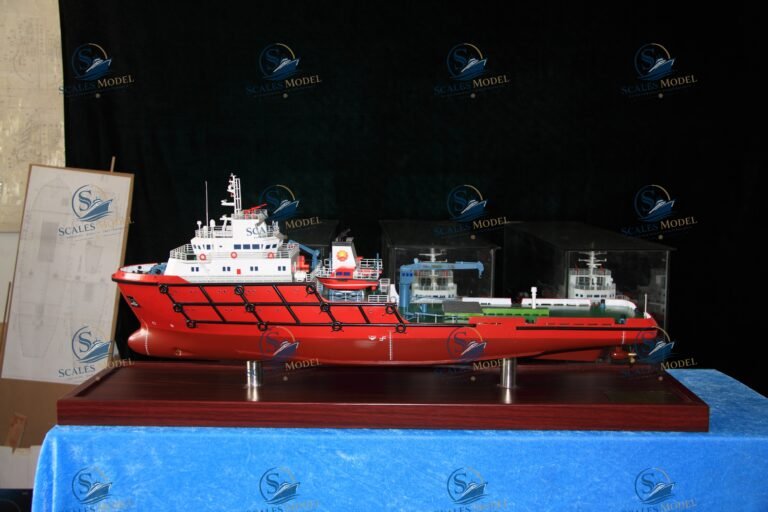
Clean the Case Without Endangering the Model
The case normally receives fingerprints and room dust much faster than the protected model inside.
When possible, clean removable display panels away from the model. If the case cannot be removed, avoid spraying cleaner where droplets or overspray could reach the vessel.
Use cleaning products appropriate for the actual case material. Acrylic and glass do not always require the same cleaning products or technique.
What to Check During Routine Model Care
A quick visual inspection can identify small issues before they become more difficult to manage.
Masts & Antennas
Look for components that appear tilted, loose or unexpectedly displaced.
Railings
Check fine railings and ladders for accidental bending or detachment.
Cranes & Boats
Confirm visible deck equipment remains in its intended position.
Paint & Markings
Look for unusual marks, contamination or damage before attempting cleaning.
Display Base
Check that the base remains stable, clean and fully supported.
Display Case
Check for heavy dust, loose panels or areas requiring cleaning.
Rigging & Sails Require Especially Light Handling
Historic sailing models can contain many more exposed lines and fine vertical structures than a modern commercial vessel model.
Avoid pulling, straightening or repositioning rigging during routine dusting. Work around the lines instead of using them to move dust or support your hand.
Sails, yards and mast assemblies should also receive minimal direct contact unless specific maintenance is actually required.
What If a Model Part Becomes Loose or Damaged?
Small damage should not automatically lead to immediate DIY repair, especially when the original attachment point or finish is unclear.
Photograph the affected area from several angles, keep any detached component in a safe labeled container, and avoid applying large amounts of household adhesive. A poorly positioned repair can be more difficult to correct than the original loose component.
Photograph the Damage
Record the original position and surrounding details before moving anything further.
Save Detached Parts
Do not discard small antennas, railings, boats or other loose components.
Ask Before Major Repair
For important display models, professional guidance can reduce the risk of visible repair damage.
Routine Care Is Different From Shipping Protection
A model that is safe on an office shelf may need much greater protection when it is moved between buildings or transported over a long distance.
Before transportation, consider the model's base, dimensions, protruding components and any loose or especially delicate structures.
Ship Model Maintenance Checklist
Routine Care
Moving Checklist
The Details You Are Protecting
Different Scales Model projects show why gentle handling and preventive care matter.
More Guides for Your Ship Model
Understand 1:50, 1:100, 1:200 and other common scales.
View Scale Guide → Ship Model FAQsReview common questions about custom ship model projects.
View FAQs → Model PackagingLearn more about protecting detailed models for transportation.
Explore Packaging → Ship Model MaterialsLearn how different model components may use different materials.
Explore Materials →Ship Model Guides, Services & Resources
Model Ship Care – Frequently Asked Questions
How should I clean dust from a model ship?
Can I use compressed air to clean a ship model?
Can I wash a custom ship model with water?
Should a ship model be kept inside a display case?
Should ship models be kept away from sunlight?
How should I move a large model ship?
How should I clean an acrylic display case?
How often should a ship model be cleaned?
What should I do if a small part falls off?
How should a model ship be stored for a long period?
Need Advice About a Custom Ship Model or Existing Project?
If you have questions about a Scales Model project, display requirements, packaging, model care or a damaged component, send clear photographs and project information so the situation can be reviewed.
Contact Scales Model Spanish
  English
  Chinese
  German
  French
  Indonesian
  Korean
  Japanese