
Materials Used in Custom Ship Models
Detailed ship models are rarely made from only one material. Hulls, superstructures, windows, railings, cranes, antennas, piping, deck equipment and display bases have different structural and visual requirements. Scales Model selects an appropriate combination of materials and manufacturing methods according to vessel type, model scale and required detail.
Why One Material Is Not Enough for a Detailed Ship Model
A vessel combines large curved surfaces with extremely small structural and mechanical details. The material that works well for the hull may not be suitable for a thin antenna or a transparent bridge window.
For this reason, custom ship models can combine structural plastics, resin components, metals, clear materials, coatings and display materials according to the function of each component.
Model scale is also important. A component that can be fabricated as a separate detailed part at 1:100 may require a simplified or different material approach at 1:300 or 1:500.
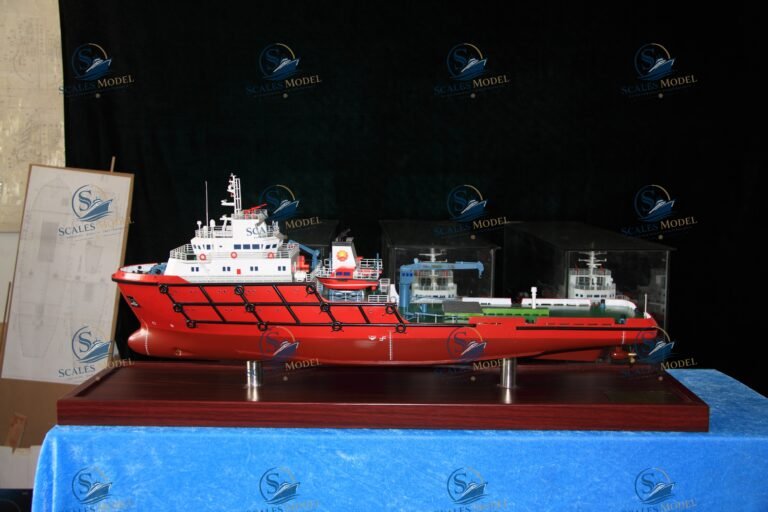
Materials for Different Ship Model Components
The exact material combination can vary by project. Different components may require different manufacturing methods to balance strength, scale, appearance and detail.
Engineering Plastics
Plastic materials can be suitable for hull sections, superstructure panels, deckhouses and other components requiring consistent geometry and smooth finishing.
Resin Parts
Resin-based components can support detailed shapes, small marine equipment and complex parts where fine geometry is important.
Metal Components
Metal, wire and thin metal elements can be useful for railings, antennas, masts, support structures and other slender ship-model components.
Acrylic & Clear Materials
Transparent materials can be used where the model requires bridge windows, glazing, clear panels or protective display elements.
Wood & Display Materials
Wood and engineered display materials can be selected for presentation bases, plaques and other elements surrounding the finished vessel model.
Thin Sheet & Detail Material
Thin material can help reproduce platforms, ladders, walkways, small panels and other components where scale thickness matters.
Paints & Coatings
Surface preparation, primer, paint and finishing help reproduce hull colors, deck areas, superstructures and vessel-specific appearance.
Lettering & Graphics
Vessel names, draft marks, company logos, hull graphics and safety markings can be added as part of the final visual detailing.
Material Choice Depends on the Part Being Reproduced
Hull
The hull needs clean geometry, dimensional stability and a surface that can be prepared for smooth professional painting and markings.
Superstructure
Bridge blocks, accommodation decks and deckhouses require precise geometry, clean corners and repeatable window placement.
Railings & Ladders
Very thin components require a material and fabrication method that can reproduce small cross-sections without appearing oversized.
Cranes & Deck Equipment
Complex machinery may combine several material types depending on component thickness, shape and required detail.
Windows & Bridge Glazing
Transparent or dark-tinted clear materials can help create a more realistic bridge and accommodation appearance.
Masts & Antennas
Slender masts, radar supports and antennas benefit from materials that allow fine dimensions and accurate alignment.
Piping & Tubular Systems
Offshore, tanker and gas-carrier projects may require large numbers of small pipes and tubular deck structures.
Historic Rigging
Historic sailing ships require fine lines, masts, spars and sail-supporting elements with a very different material approach.
Display Base
The presentation base should visually support the vessel while providing a stable platform for office, museum or exhibition display.
Select the Material Around the Function of the Component
Material selection is not simply about choosing the strongest or most expensive option. The goal is to reproduce each visible component convincingly at the selected scale.
Scale Thickness
A railing, antenna or pipe should not become visually oversized simply because the wrong material thickness was selected.
Surface Quality
Large hull and superstructure surfaces require materials that can support clean finishing and consistent paint application.
Fine Geometry
Small winches, radars, cranes and machinery may benefit from different fabrication techniques than the main structural model.
Final Display Environment
Corporate, museum and exhibition models may have different presentation, handling and protection requirements.
3D Printing & Digital Fabrication for Detailed Components
Digital manufacturing can complement traditional handcrafted model-making where complex geometry, repeated components or very small parts are involved.
Complex Shapes
Digital production methods can help create shapes that would be difficult to reproduce consistently by manual fabrication alone.
Repeated Equipment
Similar components such as vents, containers, deck machinery or fittings can benefit from repeatable digital geometry.
CAD-Based Development
CAD data can help translate vessel geometry into accurately proportioned physical components for selected model scales.
Prototype Components
Digital fabrication can support new vessel, offshore and engineering projects where the full-size ship is still under development.
Hand Finishing
Digitally produced parts still require cleaning, assembly, surface preparation, painting and integration into the overall model.
Hybrid Production
Combining digital fabrication with traditional hand assembly allows each technique to be used where it performs best.
The Vessel Information Helps Determine the Manufacturing Approach
Fabrication à partir de plans
GA drawings, profiles and deck plans help identify component dimensions, structures and scale relationships.
Build From Drawings →Créer à partir de photos
Vessel photographs help identify surface appearance, colors, equipment, glazing and real-world details.
Build From Photos →CAD & 3D Design
Digital references can support geometry interpretation, component planning and modern fabrication methods.
CAD & 3D Design →Complex Marine Models Need More Than a Simple Hull Material
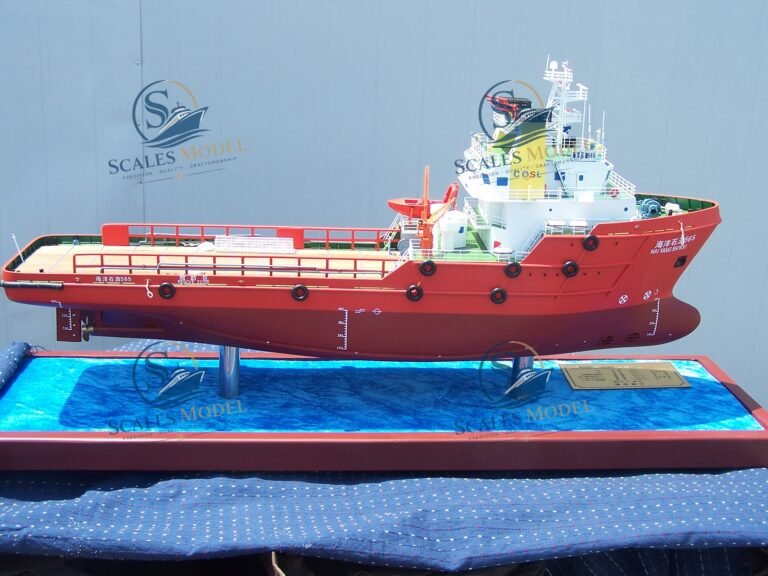
Offshore vessels and specialist working ships can contain cranes, platforms, piping, winches, antennas, railings, davits and many other external structures.
The model can therefore use different materials and fabrication methods for structural surfaces, fine equipment, transparent parts and small-scale components while maintaining a consistent overall appearance.
Material Requirements Change With the Ship Type
A container ship, offshore vessel and historic sailing ship contain very different visual details and therefore require different material and fabrication priorities.
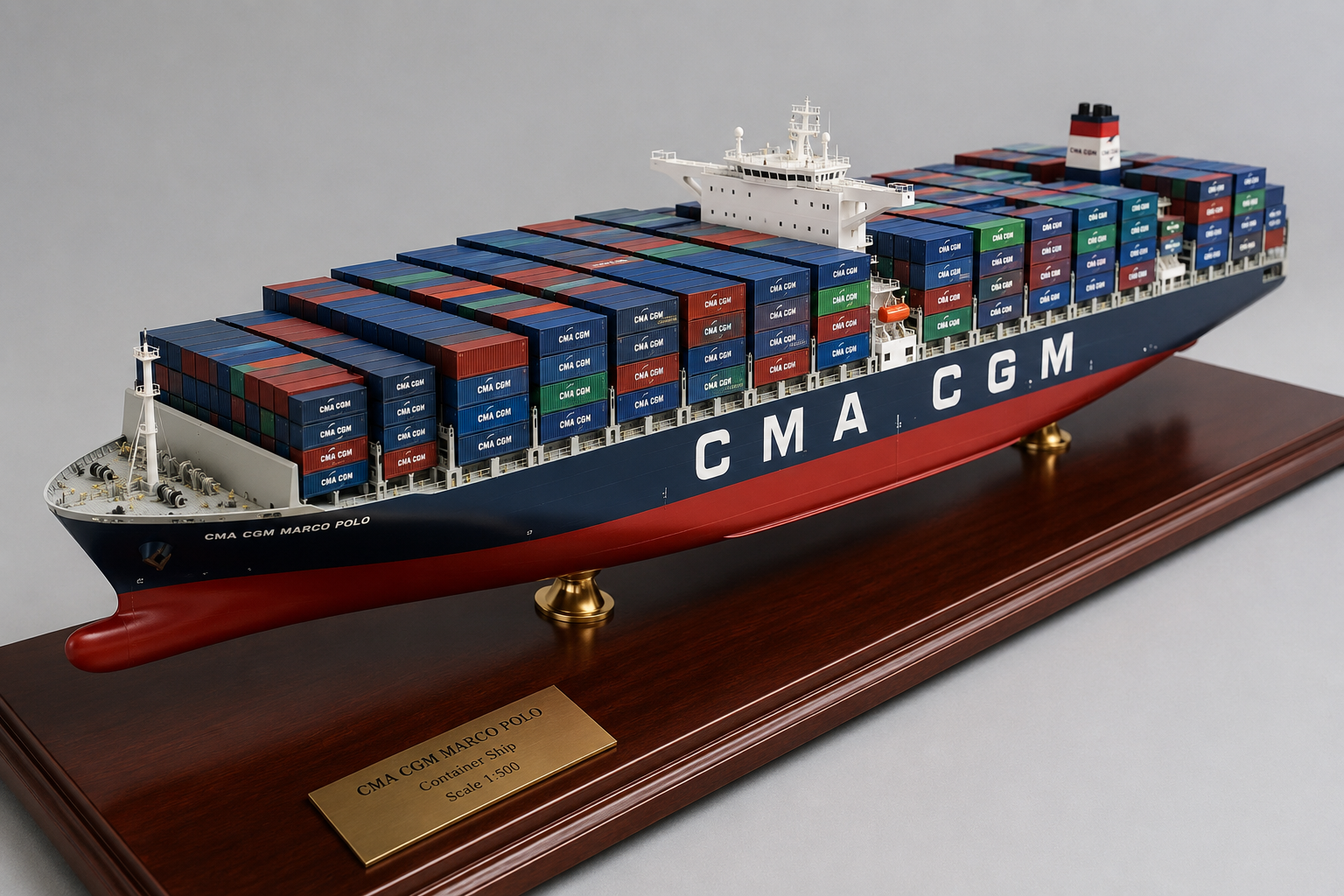
Maquettes de navires porte-conteneurs
Large hull surfaces, repeated containers, railings, bridge details, deck fittings and shipping-line markings require several different detail solutions.
Container Ship Models →
Offshore & FPSO Models
Complex working decks, cranes, piping, platforms and specialist equipment place greater emphasis on fine component fabrication.
Offshore & FPSO Models →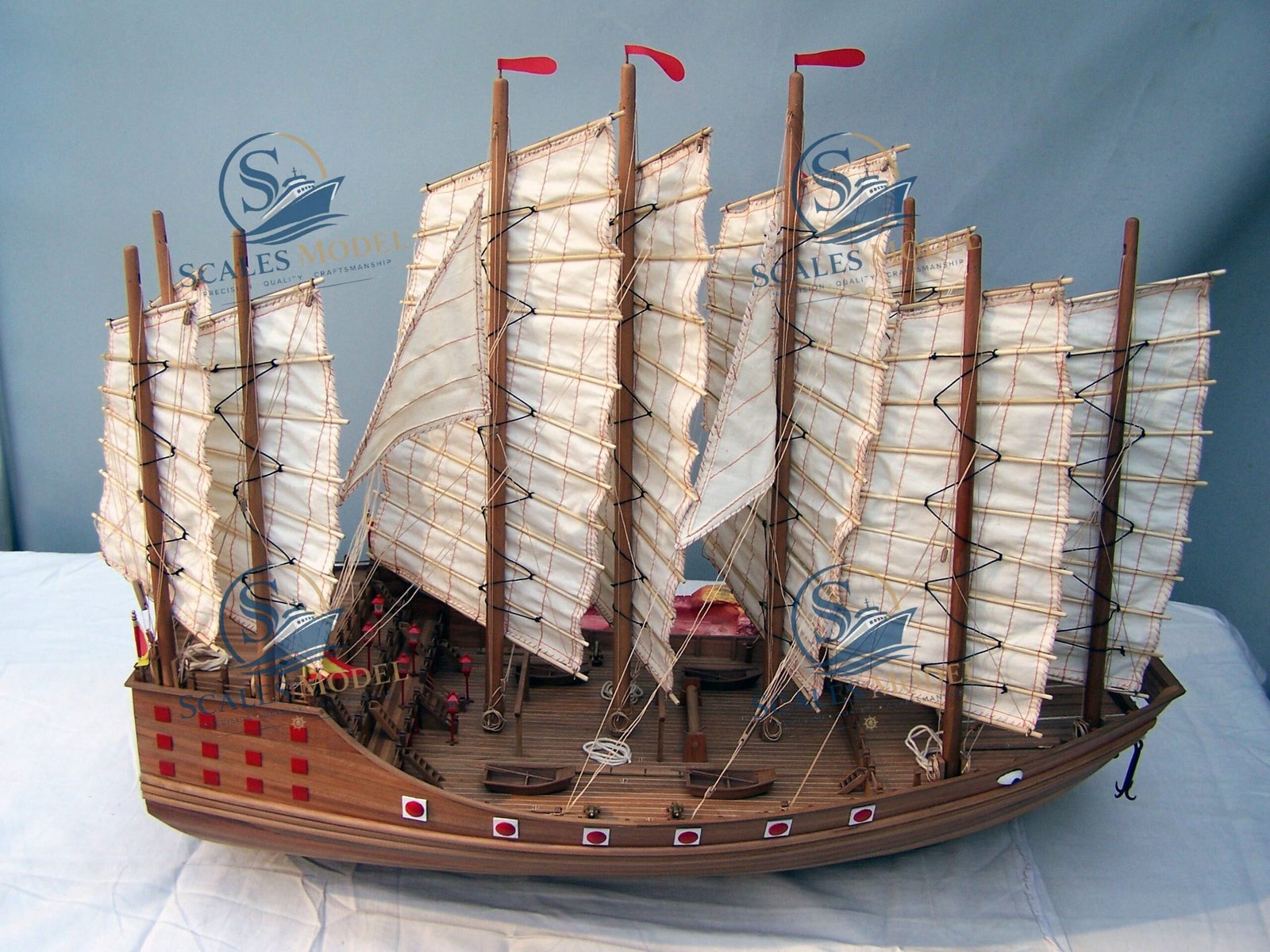
Maquettes de navires historiques
Traditional sailing vessels require specialized attention to masts, spars, sails, rigging, deck appearance and period-style presentation.
Historic Ship Models →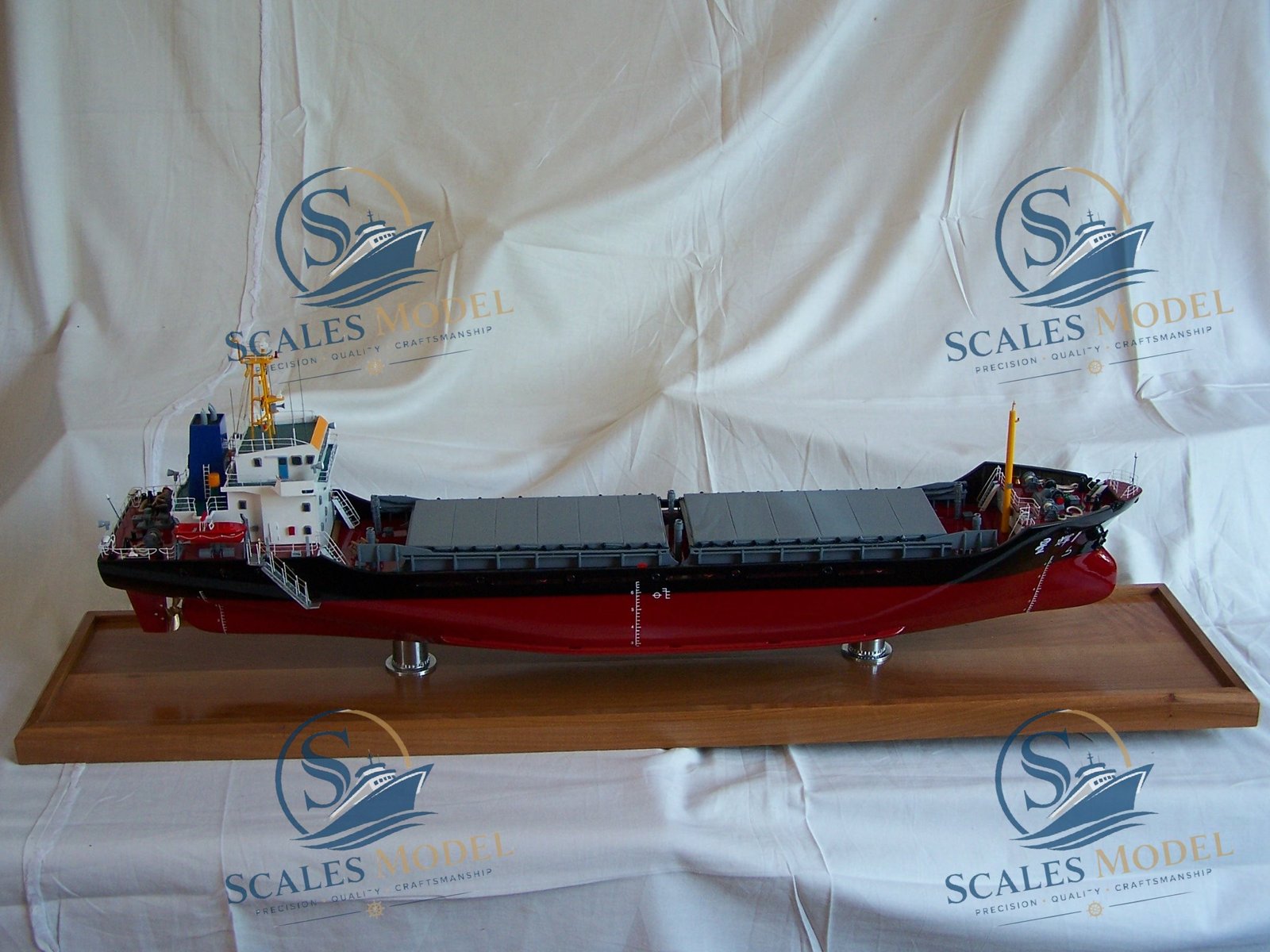
Maquettes de navires commerciaux
Commercial vessels require clean hull geometry, deck equipment, accurate superstructures and professional corporate markings.
Commercial Ship Models →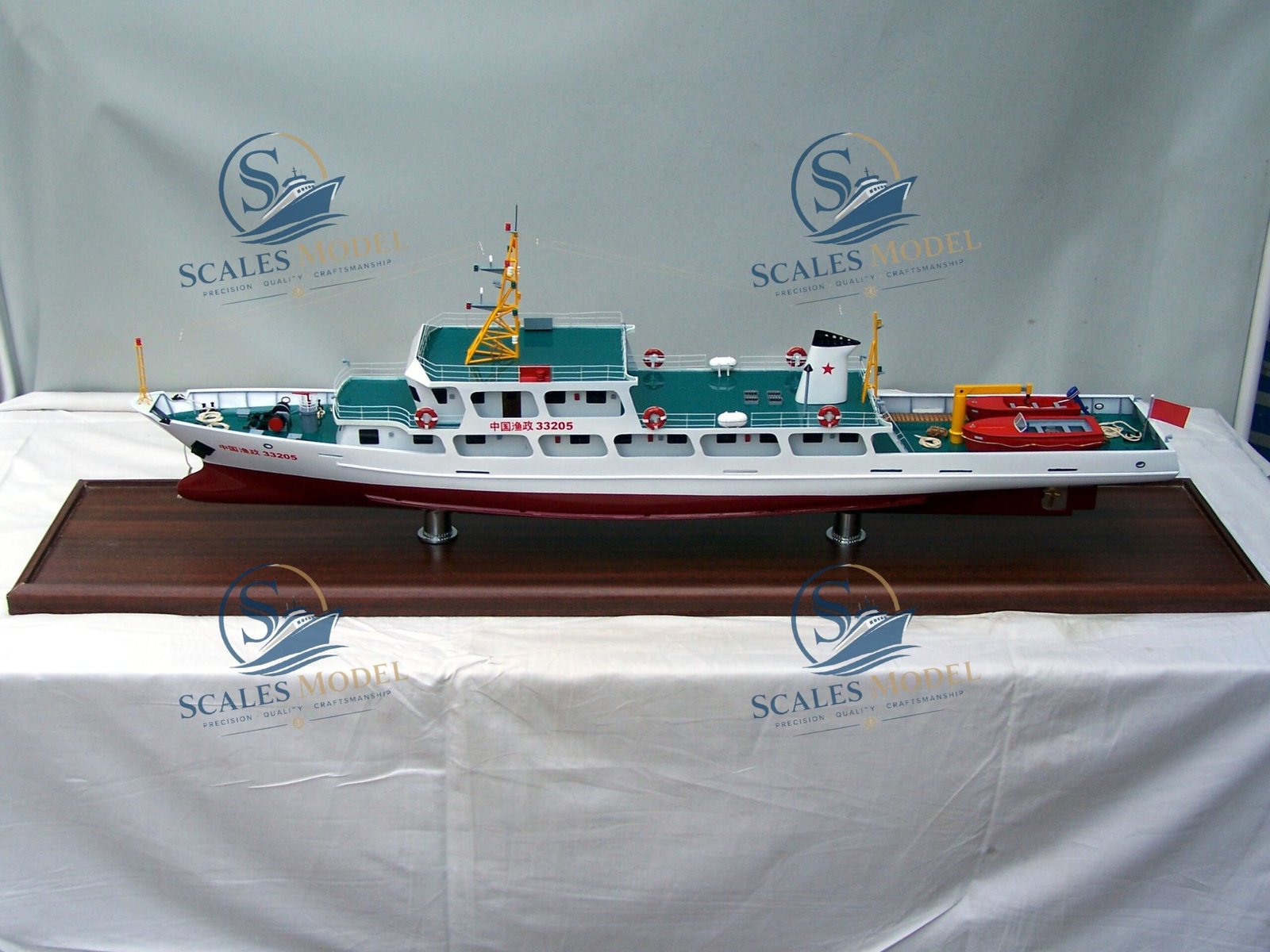
Specialist Vessel Models
Working vessels can include many vessel-specific structures where material thickness and durability need to be carefully balanced.
Fishing Vessel Models →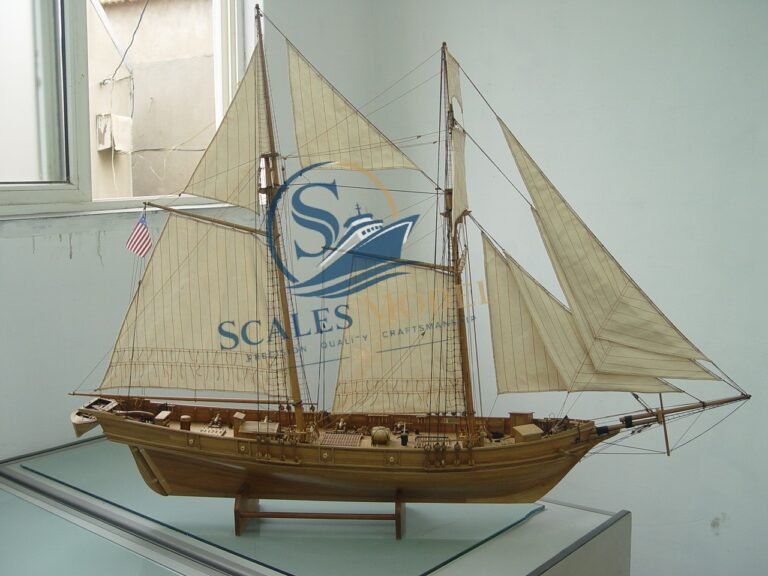
Modèles de yachts
Premium yacht models emphasize smooth surfaces, glazing, clean paintwork, fine deck fittings and high-quality presentation.
Yacht Models →From Material Planning to the Finished Model
Review Vessel
Identify structure, equipment and visible details.
Select Scale
Determine component size and required detail level.
Plan Materials
Match materials and methods to each component type.
Fabricate Parts
Produce structural and detailed components.
Paint & Finish
Complete surface treatment, colors and markings.
Inspect & Protect
Review final condition before packaging.
Material Selection Is Only the Beginning
The final appearance of a ship model depends not only on the base material but also on surface preparation, assembly quality, painting and final detailing.
Surface Preparation
Structural parts require clean preparation before the final coating system is applied.
Color Matching
Hull, deck and superstructure colors can be matched to supplied project references.
Vessel Markings
Names, draft marks, logos and graphics complete the identity of the vessel.
Final Integration
Structural and detailed components should visually read as one complete ship.
Materials Become Invisible When the Finished Model Works
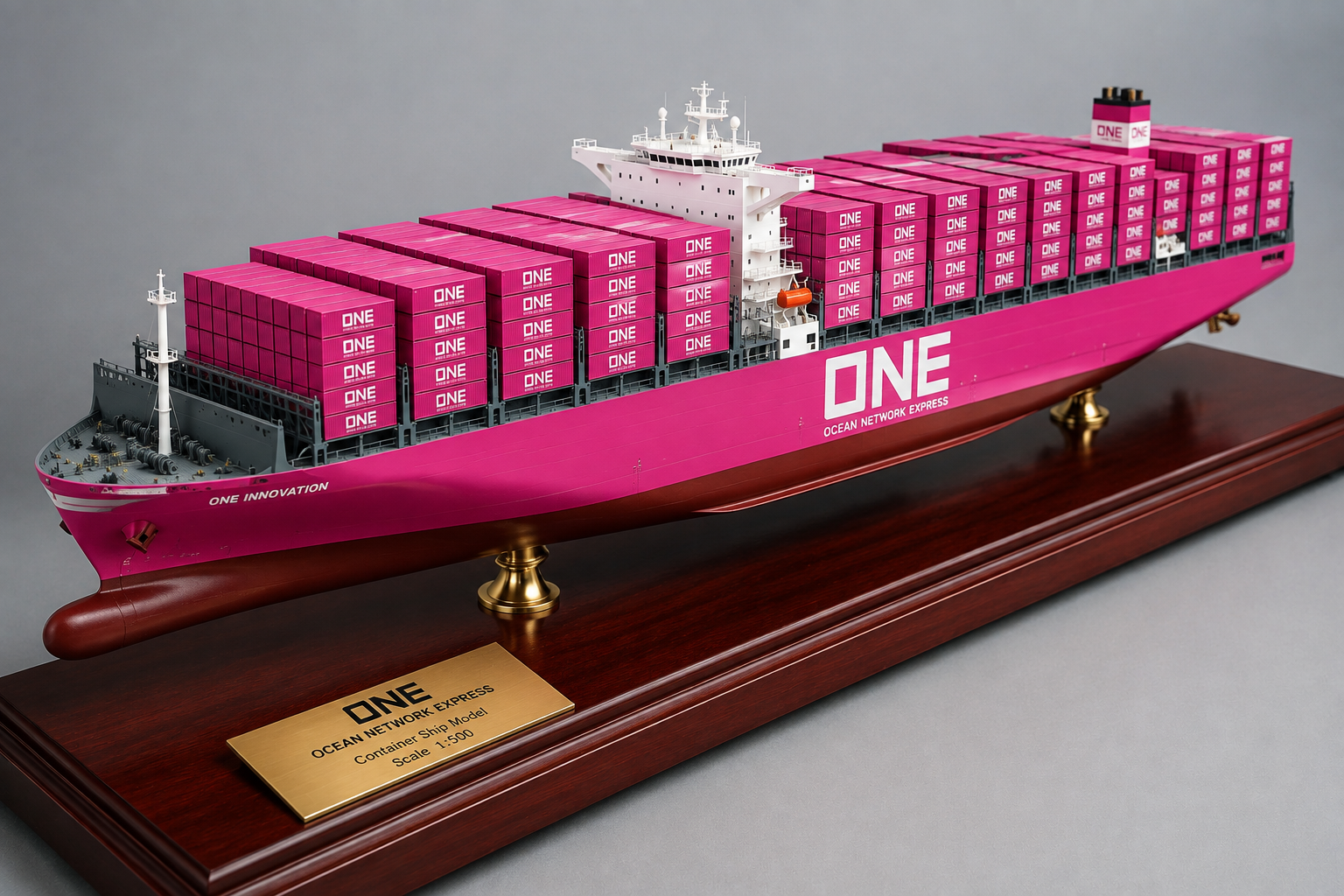
The goal is not for individual materials to attract attention, but for hull, equipment, railings, glazing, paint and markings to work together as one convincing vessel model.
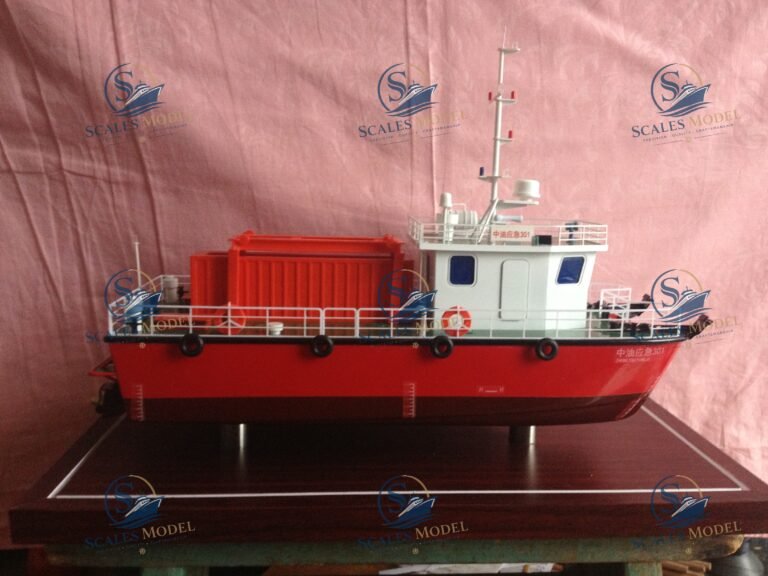
Fine Materials Also Require Careful Inspection & Packaging
Components that allow a model to look detailed at scale can also be some of the most delicate parts of the finished vessel.
Thin railings, masts, antennas, cranes, pipes and rigging should therefore be considered during final inspection, packaging and transportation.
Materials, Manufacturing & Model Resources
Ship Model Materials – Frequently Asked Questions
What materials are used to make custom ship models?
Are ship models made from only one material?
Why are metal parts useful in ship models?
Can transparent materials be used for ship model windows?
Can 3D printing be used to make ship model parts?
Does model scale affect the choice of materials?
Are historic ship models made differently from modern vessel models?
How are vessel colors and markings added?
Are delicate model materials protected before shipping?
Can I specify materials for my custom ship model project?
Need the Right Material & Manufacturing Approach for Your Vessel?
Send Scales Model your vessel drawings, photographs, CAD files, preferred model scale and intended display use. The project can then be reviewed to determine an appropriate combination of structure, detail, finishing and presentation methods for the custom ship model.
Send Vessel Details & Request a Quote French
  English
  Chinese
  Spanish
  German
  Indonesian
  Korean
  Japanese