
Materialien für maßgefertigte Schiffsmodelle
Detaillierte Schiffsmodelle werden selten aus nur einem Material gefertigt. Rümpfe, Aufbauten, Fenster, Geländer, Kräne, Antennen, Rohrleitungen, Decksausrüstung und Ausstellungssockel stellen unterschiedliche konstruktive und optische Anforderungen. Scales Model wählt eine geeignete Kombination aus Materialien und Fertigungsverfahren aus, je nach Schiffstyp, Modellmaßstab und erforderlicher Detailgenauigkeit.
Warum ein Material für ein detailgetreues Schiffsmodell nicht ausreicht
Ein Raumschiff vereint große, gewölbte Oberflächen mit extrem kleinen konstruktiven und mechanischen Details. Das Material, das sich gut für den Rumpf eignet, ist möglicherweise nicht geeignet für eine dünne Antenne oder ein transparentes Brückenfenster.
Aus diesem Grund können maßgeschneiderte Schiffsmodelle Konstruktionskunststoffe, Harzkomponenten, Metalle, transparente Materialien, Beschichtungen und Ausstellungsmaterialien je nach Funktion der einzelnen Komponenten kombinieren.
Auch der Maßstab des Modells spielt eine wichtige Rolle. Ein Bauteil, das im Maßstab 1:100 als separates, detailgetreues Teil gefertigt werden kann, erfordert im Maßstab 1:300 oder 1:500 möglicherweise eine vereinfachte Ausführung oder einen anderen Materialansatz.
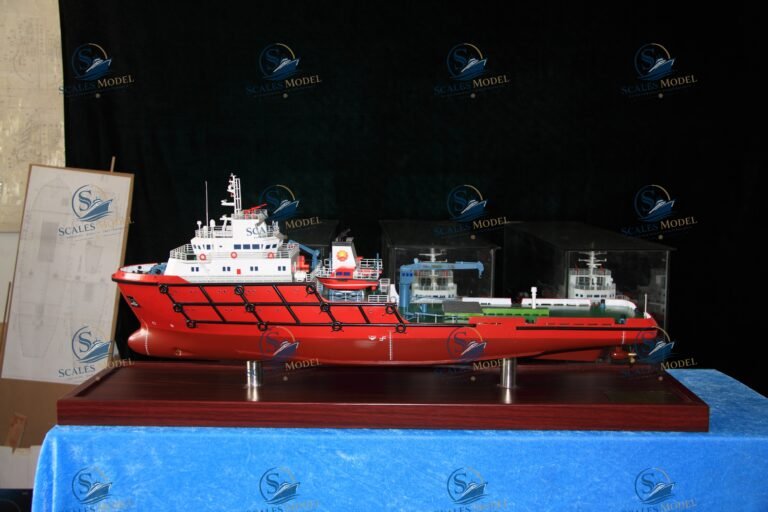
Materialien für verschiedene Schiffmodellkomponenten
Die genaue Materialkombination kann je nach Projekt variieren. Unterschiedliche Bauteile erfordern unter Umständen unterschiedliche Fertigungsverfahren, um Festigkeit, Größe, Optik und Detailgenauigkeit in Einklang zu bringen.
Technische Kunststoffe
Kunststoffe eignen sich für Rumpfabschnitte, Aufbauten, Deckshäuser und andere Bauteile, die eine gleichmäßige Geometrie und eine glatte Oberfläche erfordern.
Kunststoffteile
Komponenten auf Harzbasis eignen sich für detailreiche Formen, kleine Schiffsausrüstung und komplexe Teile, bei denen eine feine Geometrie entscheidend ist.
Metallkomponenten
Metall, Draht und dünne Metallelemente können nützlich sein für Geländer, Antennen, Masten, Tragkonstruktionen und andere schlanke Bauteile von Schiffsmodellen.
Acryl und transparente Materialien
Transparente Materialien können dort eingesetzt werden, wo das Modell Brückenfenster, Verglasungen, durchsichtige Paneele oder schützende Ausstellungselemente erfordert.
Holz und Ausstellungsmaterialien
Für Präsentationssockel, Plaketten und andere Elemente, die das fertige Schiffsmodell umgeben, können Holz und spezielle Ausstellungsmaterialien ausgewählt werden. de
Dünne Bleche und Material für Detailarbeiten
Dünnes Material kann dabei helfen, Plattformen, Leitern, Laufstege, kleine Platten und andere Bauteile nachzubilden, bei denen die Dicke im Maßstab eine Rolle spielt.
Farben und Lacke
Oberflächenvorbereitung, Grundierung, Lackierung und Endbearbeitung tragen dazu bei, die Farben des Rumpfes, der Deckbereiche, der Aufbauten und das schiffsspezifische Erscheinungsbild originalgetreu wiederzugeben.
Beschriftung & Grafik
Schiffsnamen, Tiefgangmarkierungen, Firmenlogos, Rumpfgrafiken und Sicherheitskennzeichnungen können im Rahmen der abschließenden optischen Feinarbeit hinzugefügt werden.
Die Wahl des Materials hängt vom zu reproduzierenden Teil ab
Schiffskörper
Der Rumpf muss eine saubere Geometrie, Maßhaltigkeit und eine Oberfläche aufweisen, die für eine glatte, professionelle Lackierung und Beschriftung vorbereitet werden kann.
Aufbau
Brückenblöcke, Wohndecks und Deckshäuser erfordern eine präzise Geometrie, klare Kanten und eine wiederholbare Anordnung der Fenster.
Geländer und Leitern
Für sehr dünne Bauteile sind ein Material und ein Fertigungsverfahren erforderlich, mit denen sich kleine Querschnitte reproduzieren lassen, ohne dass sie überdimensioniert wirken.
Kräne und Decksausrüstung
Komplexe Maschinen können je nach Bauteilstärke, Form und erforderlichen Details mehrere Materialarten kombinieren.
Fenster und Brückenverglasung
Transparente oder dunkel getönte, klare Materialien können dazu beitragen, ein realistischeres Erscheinungsbild der Brücke und der Akkommodation zu erzielen.
Masten und Antennen
Schlanke Masten, Radargestelle und Antennen profitieren von Werkstoffen, die feine Abmessungen und eine präzise Ausrichtung ermöglichen.
Rohrleitungen und Rohrleitungssysteme
Bei Offshore-, Tanker- und Gastankerprojekten kann eine große Anzahl kleiner Rohre und rohrförmiger Deckskonstruktionen erforderlich sein.
Historische Takelage
Historische Segelschiffe erfordern filigrane Linien, Masten, Spieren und segeltragende Elemente, die aus ganz anderen Materialien gefertigt werden.
Ausstellungssockel
Der Präsentationssockel soll das Gefäß optisch zur Geltung bringen und gleichzeitig eine stabile Plattform für die Ausstellung in Büros, Museen oder Ausstellungen bieten.
Wählen Sie das Material entsprechend der Funktion des Bauteils aus
Bei der Materialauswahl geht es nicht einfach darum, die stabilste oder teuerste Variante zu wählen. Das Ziel besteht darin, jedes sichtbare Bauteil im gewählten Maßstab überzeugend nachzubilden.
Schichtdicke
Ein Geländer, eine Antenne oder ein Rohr sollte nicht optisch überdimensioniert wirken, nur weil die falsche Materialstärke gewählt wurde.
Oberflächenqualität
Große Rumpf- und Aufbauflächen erfordern Materialien, die eine saubere Endbearbeitung und einen gleichmäßigen Farbauftrag ermöglichen.
Feingeometrie
Kleine Winden, Radargeräte, Kräne und Maschinen können von anderen Fertigungstechniken profitieren als das Hauptkonstruktionsmodell.
Endgültige Darstellungsumgebung
Modelle für Unternehmen, Museen und Ausstellungen können unterschiedliche Anforderungen hinsichtlich Präsentation, Handhabung und Schutz stellen.
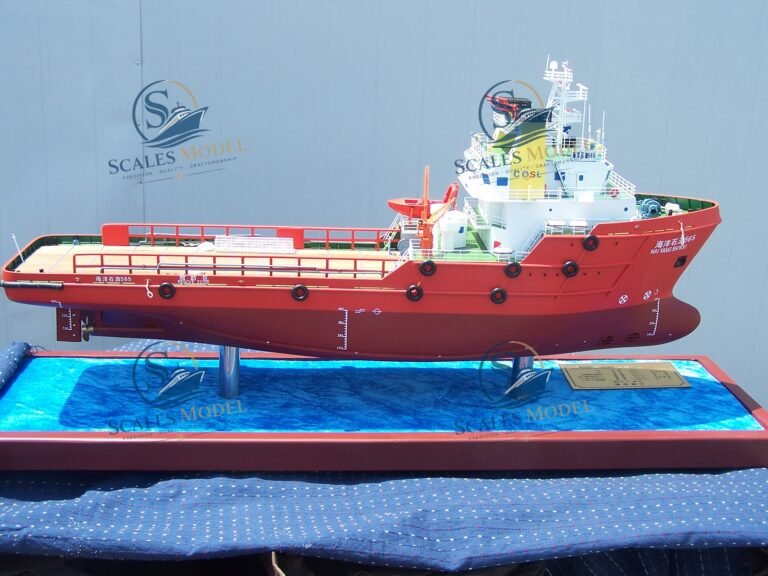
3D-Druck und digitale Fertigung für detailreiche Bauteile
Die digitale Fertigung kann den traditionellen handwerklichen Modellbau ergänzen, wenn es um komplexe Geometrien, wiederkehrende Bauteile oder sehr kleine Teile geht.
Komplexe Formen
Digitale Fertigungsverfahren können dazu beitragen, Formen zu schaffen, die sich allein durch manuelle Fertigung nur schwer einheitlich reproduzieren ließen.
Wiederverwendbare Ausrüstung
Ähnliche Bauteile wie Lüftungsöffnungen, Behälter, Decksausrüstung oder Beschläge können von einer reproduzierbaren digitalen Geometrie profitieren.
CAD-gestützte Entwicklung
CAD-Daten können dabei helfen, die Geometrie von Behältern in maßstabsgetreue physische Bauteile für ausgewählte Modellmaßstäbe umzusetzen.
Prototyp-Komponenten
Die digitale Fertigung kann neue Schiffs-, Offshore- und Ingenieurprojekte unterstützen, bei denen sich das Schiff in Originalgröße noch in der Entwicklung befindet.
Handbearbeitung
Auch digital gefertigte Teile müssen noch gereinigt, montiert, oberflächenvorbereitet, lackiert und in das Gesamtmodell integriert werden.
Hybridproduktion
Durch die Kombination von digitaler Fertigung mit traditioneller Handmontage kann jede Technik dort zum Einsatz kommen, wo sie ihre Stärken am besten ausspielen kann.
Die Angaben zum Behälter helfen bei der Festlegung des Herstellungsverfahrens
Aus Zeichnungen bauen
GA-Zeichnungen, Profile und Deckpläne helfen dabei, die Abmessungen der Bauteile, die Strukturen und die Größenverhältnisse zu erkennen.
Aus Zeichnungen erstellen →Aus Fotos erstellen
Fotos von Schiffen helfen dabei, das äußere Erscheinungsbild, die Farben, die Ausrüstung, die Verglasung und realistische Details zu erkennen.
Aus Fotos erstellen →CAD und 3D-Konstruktion
Digitale Referenzen können die Geometrieauswertung, die Komponentenplanung und moderne Fertigungsverfahren unterstützen.
CAD & 3D-Konstruktion →Komplexe Schiffsmodelle erfordern mehr als nur ein einfaches Rumpfmaterial
Offshore-Schiffe und Spezialarbeitsschiffe können mit Kränen, Plattformen, Rohrleitungen, Winden, Antennen, Geländern, Davits und vielen anderen außenliegenden Konstruktionen ausgestattet sein.
Das Modell kann daher unterschiedliche Materialien und Fertigungsverfahren für tragende Flächen, Präzisionsausrüstung, transparente Teile und Kleinteile verwenden und dabei ein einheitliches Gesamtbild beibehalten.
Die Materialanforderungen variieren je nach Schiffstyp
Ein Containerschiff, ein Offshore-Schiff und ein historisches Segelschiff weisen sehr unterschiedliche optische Merkmale auf und erfordern daher unterschiedliche Prioritäten hinsichtlich Material und Fertigung.
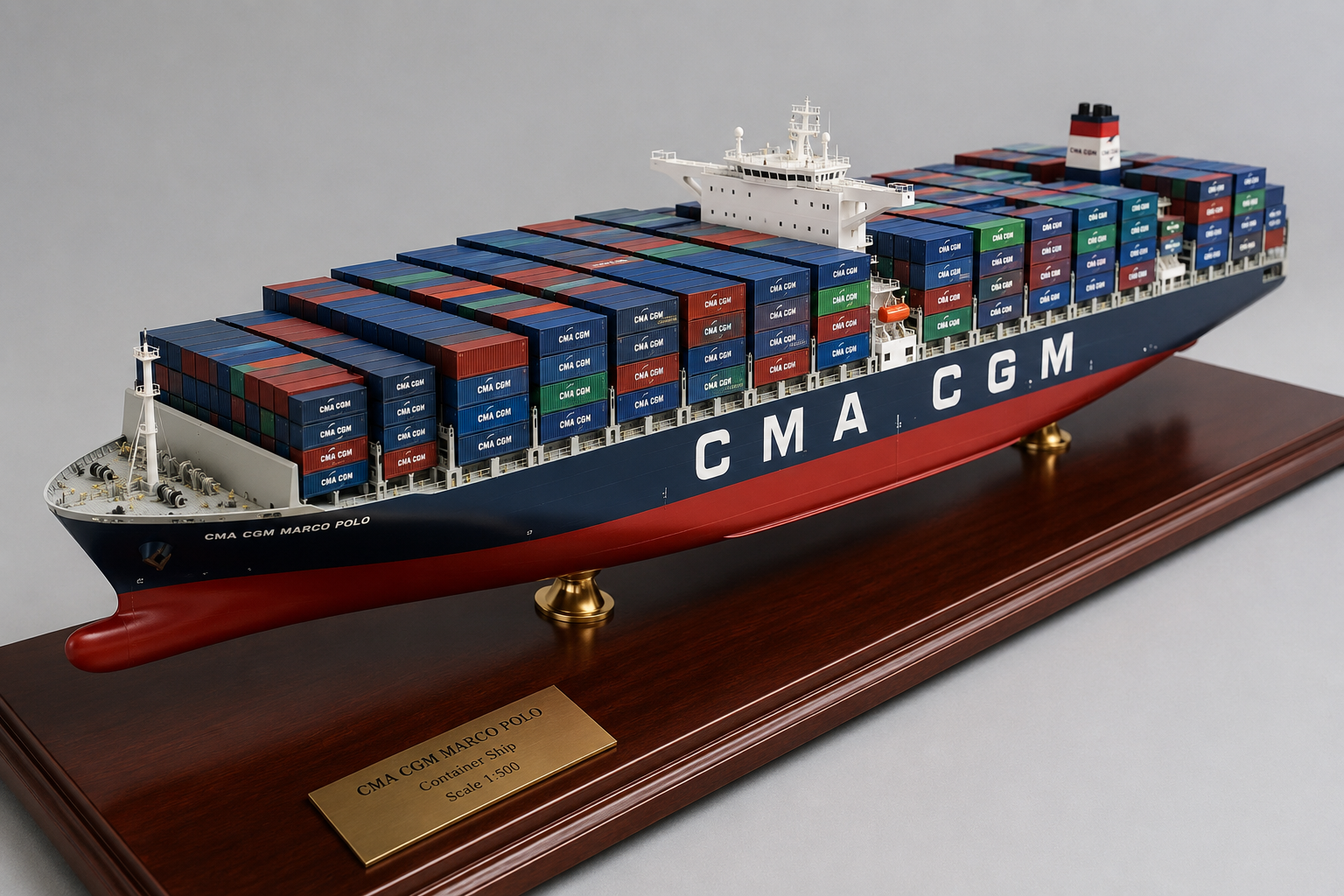
Modelle von Containerschiffen
Große Rumpfflächen, sich wiederholende Container, Geländer, Brückendetails, Decksausrüstung und Markierungen der Reederei erfordern verschiedene Detailausführungen.
Modelle von Containerschiffen →
Offshore- und FPSO-Modelle
Komplexe Arbeitsplattformen, Kräne, Rohrleitungen, Podeste und Spezialausrüstung erfordern eine besonders hohe Präzision bei der Fertigung der Bauteile.
Offshore- und FPSO-Modelle →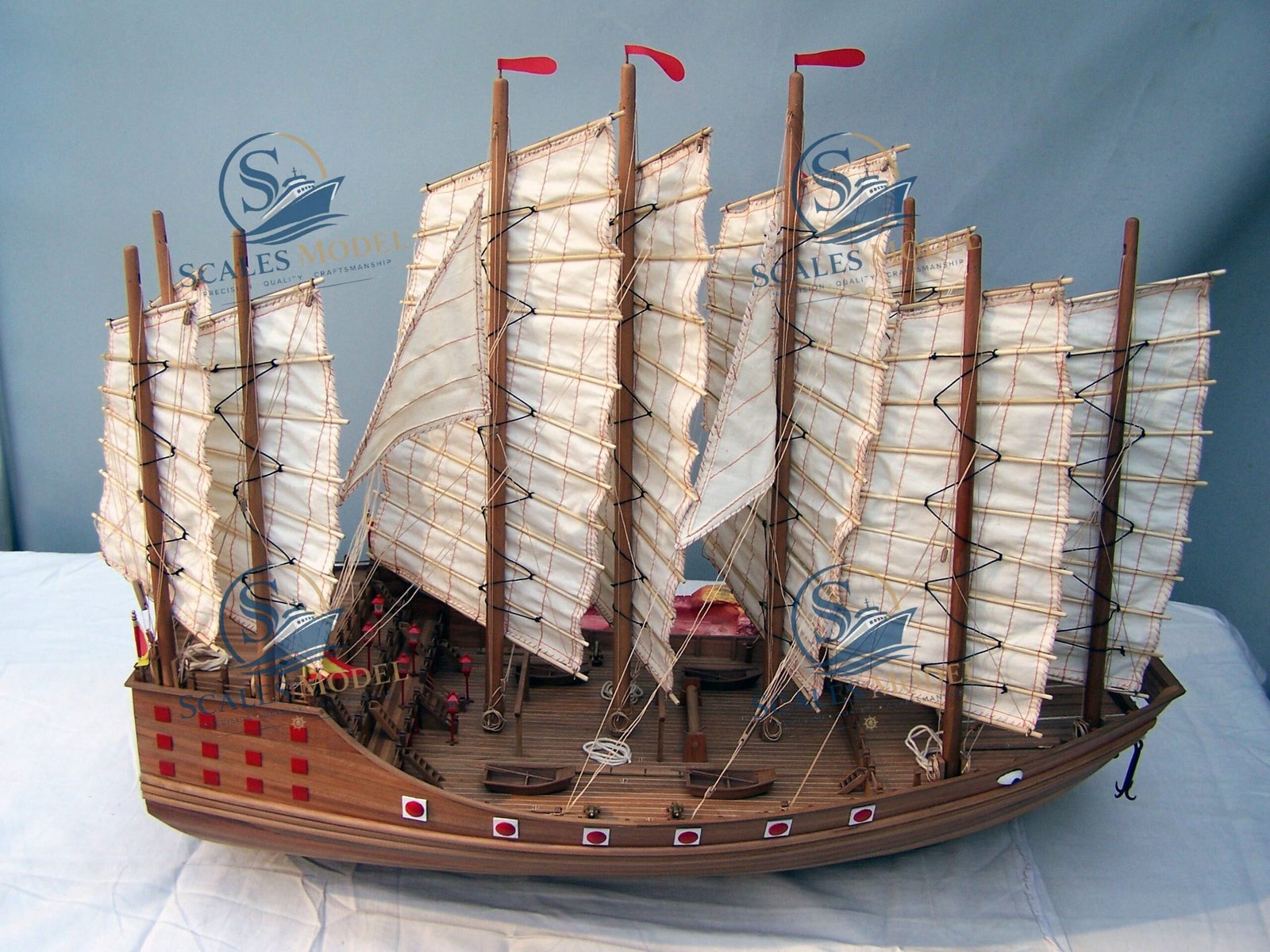
Modelle historischer Schiffe
Traditionelle Segelschiffe erfordern besondere Sorgfalt bei Masten, Spieren, Segeln, Takelage, Deckaussehen und der stilgerechten Gestaltung.
Modelle historischer Schiffe →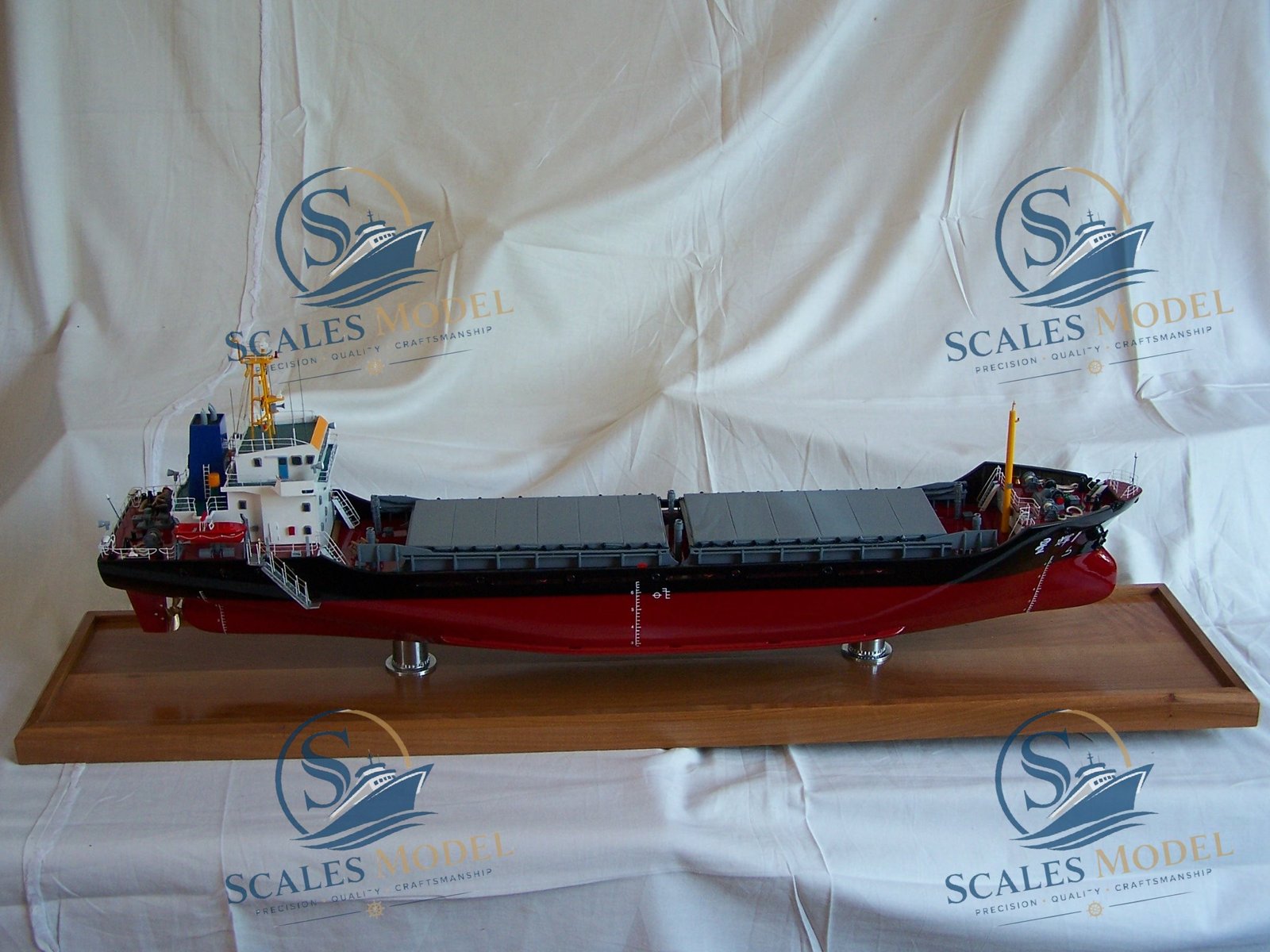
Modelle von Handelsschiffen
Handelsschiffe erfordern eine saubere Rumpfgeometrie, Deckausrüstung, präzise Aufbauten und professionelle Unternehmenskennzeichnungen.
Modelle von Handelsschiffen →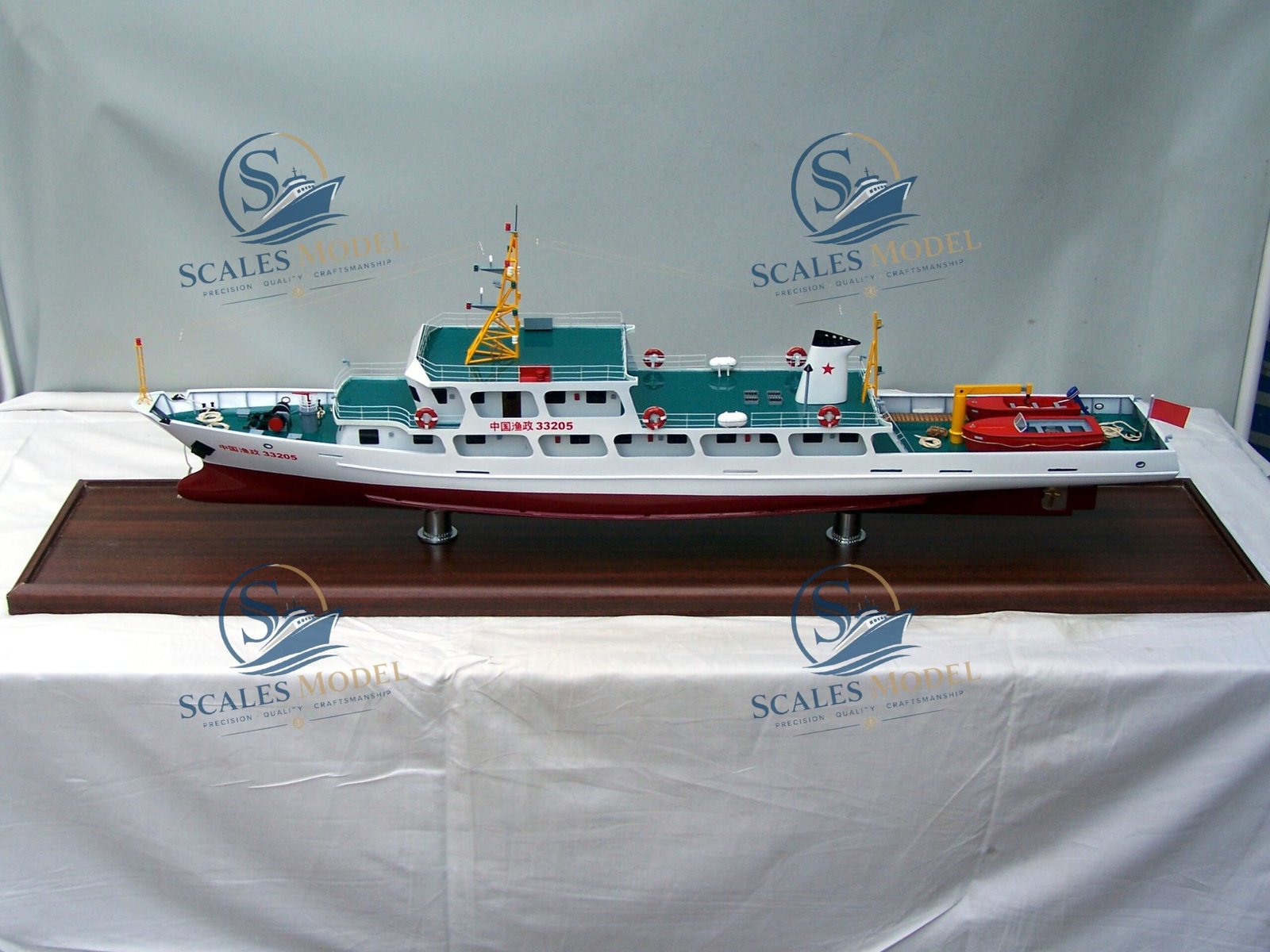
Spezialschiffmodelle
Betriebsbehälter können zahlreiche behälterspezifische Konstruktionselemente enthalten, bei denen Materialstärke und Haltbarkeit sorgfältig aufeinander abgestimmt werden müssen.
Modelle von Fischereifahrzeugen →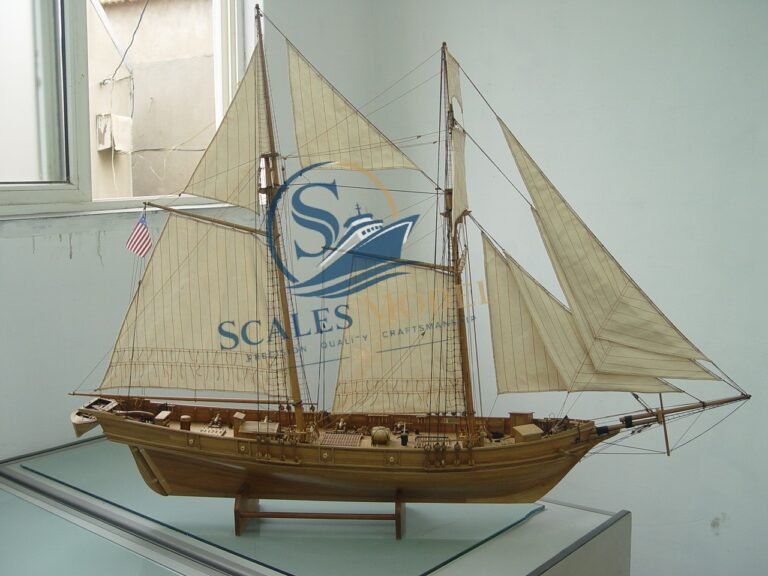
Yachtmodelle
Bei Premium-Yachtmodellen stehen glatte Oberflächen, Verglasungen, makellose Lackierungen, edle Decksausrüstung und eine hochwertige Aufmachung im Vordergrund.
Yachtmodelle →Von der Materialplanung bis zum fertigen Modell
Überprüfungsschiff
Ermitteln Sie die Struktur, die Ausstattung und die sichtbaren Details.
Maßstab auswählen
Bestimmen Sie die Größe der Komponente und den erforderlichen Detaillierungsgrad.
Planungsunterlagen
Passen Sie die Materialien und Methoden an den jeweiligen Komponententyp an.
Teile fertigen
Erstellen Sie strukturelle und detaillierte Komponenten.
Lackierung & Oberflächenbehandlung
Komplette Oberflächenbehandlung, Farben und Markierungen.
Prüfen & Schützen
Überprüfen Sie den Endzustand vor dem Verpacken.
Die Materialauswahl ist erst der Anfang
Das endgültige Erscheinungsbild eines Schiffsmodells hängt nicht nur vom Ausgangsmaterial ab, sondern auch von der Oberflächenvorbereitung, der Montagequalität, der Lackierung und den abschließenden Feinarbeiten.
Vorbereitung der Oberfläche
Bauteile müssen gründlich vorbereitet werden, bevor das endgültige Beschichtungssystem aufgetragen wird.
Farbanpassung
Die Farben für Rumpf, Deck und Aufbauten können an die bereitgestellten Projektreferenzen angepasst werden.
Schiffskennzeichnungen
Namen, Entwurfszeichen, Logos und Grafiken vervollständigen das Erscheinungsbild des Schiffes.
Abschließende Integration
Strukturelle und detaillierte Komponenten sollten optisch als ein einziges, vollständiges Schiff wahrgenommen werden.
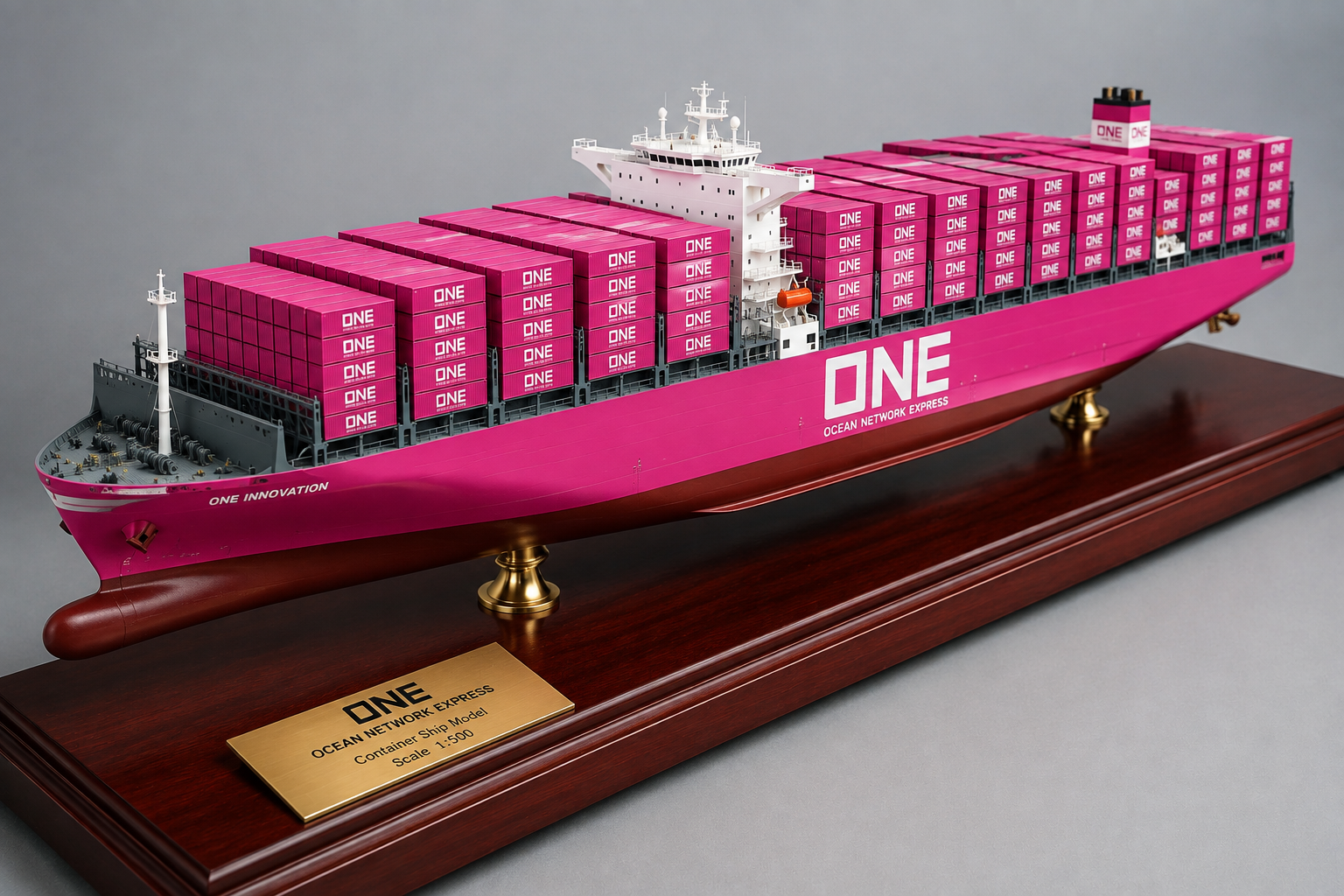
Die Materialien werden unsichtbar, sobald das fertige Modell funktioniert
Das Ziel ist nicht, dass einzelne Materialien die Aufmerksamkeit auf sich ziehen, sondern dass Rumpf, Ausrüstung, Geländer, Verglasung, Lackierung und Markierungen zusammenwirken, um ein überzeugendes Schiffsmodell zu bilden.
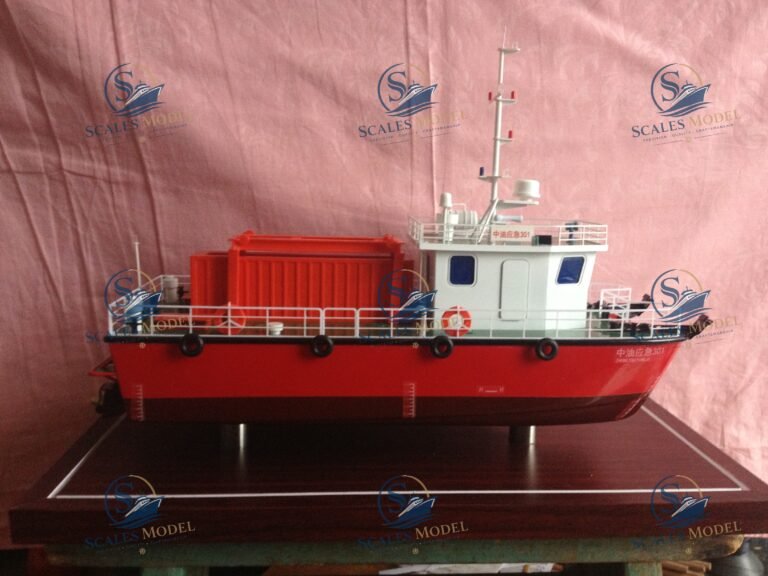
Auch hochwertige Materialien erfordern eine sorgfältige Prüfung und Verpackung
Elemente, die dafür sorgen, dass ein Modell im Maßstab detailreich wirkt, können zugleich zu den empfindlichsten Teilen des fertigen Schiffes gehören.
Dünne Geländer, Masten, Antennen, Kräne, Rohre und Takelage sollten daher bei der Endkontrolle, der Verpackung und dem Transport berücksichtigt werden.
Materialien, Fertigung und Modellressourcen
Materialien für Schiffsmodelle – Häufig gestellte Fragen
Aus welchen Materialien werden maßgefertigte Schiffsmodelle hergestellt?
Werden Schiffsmodelle ausschließlich aus einem einzigen Material hergestellt?
Warum sind Metallteile bei Schiffsmodellen nützlich?
Können transparente Materialien für die Fenster von Schiffsmodellen verwendet werden?
Kann der 3D-Druck zur Herstellung von Teilen für Schiffsmodelle genutzt werden?
Hat der Maßstab des Modells Einfluss auf die Materialauswahl?
Werden historische Schiffsmodelle anders hergestellt als moderne Schiffsmodelle?
Wie werden die Farben und Kennzeichnungen der Schiffe hinzugefügt?
Werden empfindliche Modellmaterialien vor dem Versand geschützt?
Kann ich für mein individuelles Schiffsmodell-Projekt bestimmte Materialien festlegen?
Benötigen Sie das richtige Material und das richtige Fertigungsverfahren für Ihren Behälter?
Senden Sie Scales Model Ihre Schiffszeichnungen, Fotos, CAD-Dateien, den gewünschten Maßstab sowie den vorgesehenen Verwendungszweck des Modells. Anschließend kann das Projekt geprüft werden, um eine geeignete Kombination aus Aufbau, Detailtreue, Oberflächenbehandlung und Präsentationsmethoden für das maßgeschneiderte Schiffsmodell zu ermitteln.
Schiffsdaten senden und Angebot anfordern German
  English
  Chinese
  Spanish
  French
  Indonesian
  Korean
  Japanese