Maßgeschneiderte Schiffsmodelle für Universitäten
Physikalische Schiffs- und Schifffahrtsmodelle für den Schiffsbau, die Schiffsmaschinenbau, die maritime Ausbildung, Forschungsausstellungen, Laboratorien, Lehrsammlungen und Universitätsausstellungen. Die Modelle können anhand von Schiffszeichnungen, Fotos, CAD-Dateien und anderen geeigneten technischen Vorlagen angefertigt werden, um Studierenden zu ermöglichen, die Form, den Aufbau und die Schiffssysteme in dreidimensionaler physischer Form zu untersuchen.
Komplexe Gefäßgeometrien so darstellen, dass die Studierenden sie physisch untersuchen können
Schiffe vereinen Rumpfgeometrie, Aufbauten, Decksysteme, Laderaumauslegung, Maschinenräume und Schiffsausrüstung zu einem komplexen dreidimensionalen Objekt.
Zeichnungen und digitale Modelle sind nach wie vor unverzichtbar, doch ein physisches Maßstabsmodell bietet eine weitere Möglichkeit, die räumlichen Zusammenhänge zwischen den wichtigsten Teilen eines Schiffes zu verstehen.
Hochschulen können Schiffsmodelle zur Unterstützung von Vorlesungen, Laborübungen, technischen Präsentationen, studentischen Ausstellungen, Fachbereichssammlungen und der Öffentlichkeitsarbeit nutzen.
Schiffsmodelle an Hochschulen in den Fachbereichen Seefahrt und Ingenieurwesen
Verschiedene Fachbereiche können physische Schiffsmodelle nutzen, um unterschiedliche Aspekte des Schiffsbaus und der Schifffahrtstechnik zu veranschaulichen.
Rumpfform und Schiffsgeometrie
Prüfen Sie das Bugprofil, die Heckform, die Breite, die Position des Aufbaus sowie die Gesamtproportionen des Schiffes.
Beziehungen zwischen Geräten
Nutzen Sie sichtbare Decksausrüstung, Rohrleitungen, Kräne und Geräte, um zu erläutern, wie Schiffssysteme mit der Anordnung auf dem Schiff zusammenhängen.
Schiffstypen und Betriebsabläufe
Vergleichen Sie Containerschiffe, Massengutfrachter, Offshore-Schiffe, Schlepper und andere professionelle Schiffstypen.
Fracht und globaler Handel
Nutzen Sie Modelle von Handelsschiffen, um die Diskussion über den Gütertransport und die moderne Seelogistik zu unterstützen.
Offshore-Marinesysteme
Physikalische Offshore-Modelle können komplexe Aufbauten und spezielle Arbeitsabläufe darstellen.
Schiffsentwicklung
Vergleichen Sie historische Schiffsformen mit modernem kommerziellem und technischem Schiffsbau.
Vorgeschlagene Schiffskonzepte
Setzen Sie geeignete Ideen von Studierenden, Forschungs- oder Projektkonzepte soweit möglich in physische Präsentationsmodelle um.
Hochschulausstellung
Setzen Sie Schiffsmodelle bei Tagen der offenen Tür, Ausstellungen, Abteilungsausstellungen und maritimen Veranstaltungen ein.
Was können Schüler an einem physikalischen Schiffsmodell beobachten?
Der Detaillierungsgrad hängt vom Schiff, vom Maßstab, von den Projektreferenzen und vom jeweiligen pädagogischen Zweck ab.
Rumpfform
Bug, Heck, Wasserlinie und Proportionen des Schiffes.
Aufbau
Brücke, Unterkünfte, Deckebenen und Außenbereiche.
Ladungsanordnung
Container, Laderäume, Tankanordnungen oder Konfigurationen der Arbeitsdecks.
Deckausrüstung
Krane, Winden, Luken und spezielle Arbeitskomponenten.
Rohrleitungen
Sichtbare Rohrleitungen an entsprechenden Tanker-, Gastanker- oder Offshore-Modellen.
Navigationsstrukturen
Masten, Radar, Antennen und Brückenausrüstung.
Sicherheitsausrüstung
Rettungsboote, Davits, Rettungsfahrzeuge und sichtbare Sicherheitssysteme.
Maßstabsbeziehung
Stellen Sie einen Zusammenhang zwischen den Abmessungen des Vollmaßmodells und der Größe des physikalischen Modells her.
Verwendung physikalischer Modelle zur Vertiefung des räumlichen Verständnisses des Schiffsbaus
Der Schiffsbau stützt sich in hohem Maße auf Zeichnungen, Geometrie und digitale Konstruktionsdaten. Ein physisches Modell kann eine ergänzende dreidimensionale Referenz bieten.
Grundproportionen
Erörtern Sie den Zusammenhang zwischen Länge, Breite, Höhe und Schiffsform.
Rumpf und Aufbauten
Untersuchen Sie, in welchem Zusammenhang die Volumina der großen Gefäße zueinander stehen.
Deckanordnung
Visualisieren Sie Laderäume, Arbeitsdecks und die Positionen der Außenausrüstung.
Verschiedene Schiffstypen
Vergleichen Sie die Formen von Handelsschiffen, Hochseeschiffen, historischen Schiffen und Spezialschiffen.
Modellmaßstab
Ordnen Sie die Schiffsabmessungen in Originalgröße einem ausgewählten Maßstab zu.
Wo können Universitäten physikalische Meeresmodelle einsetzen?
Unterrichtstafel
Stellen Sie neben Zeichnungen, Diagrammen und digitalen Lernmaterialien auch eine Referenz zum physischen Behälter bereit.
Technische Referenzanzeige
Verwenden Sie detaillierte Modelle als visuelle Referenz im Schiffsbau oder bei der Raumgestaltung.
Sammlung zum Thema Schiffsbau
Stellen Sie eine Sammlung zusammen, die verschiedene Schiffsformen und Schiffsgenerationen repräsentiert.
Projektvisualisierung
Stellen Sie geeignete maritime Konzepte und vorgeschlagene Schiffsentwürfe in physischer Form dar.
Designpräsentation
Ein physikalisches Modell kann ausgewählte studentische oder wissenschaftliche Konstruktionsprojekte ergänzen.
Abteilungspräsentation
Nutzen Sie Meeresmodelle, um den Besuchern das Fachgebiet der Abteilung näherzubringen.
Universitätsausstellung
Modelle können visuelle Blickfänge bei akademischen oder maritimen Ausstellungen sein.
Unterricht in maritimer Geschichte
Modelle historischer Schiffe können die Vermittlung von Wissen über die Entwicklung der Seefahrt und die Geschichte der Navigation unterstützen.
Bürgerbeteiligung
Physikalische Modelle können dazu beitragen, maritime Themen einem Laienpublikum näherzubringen.
Eine Lehrsammlung ermöglicht den Vergleich sehr unterschiedlicher maritimer Designs
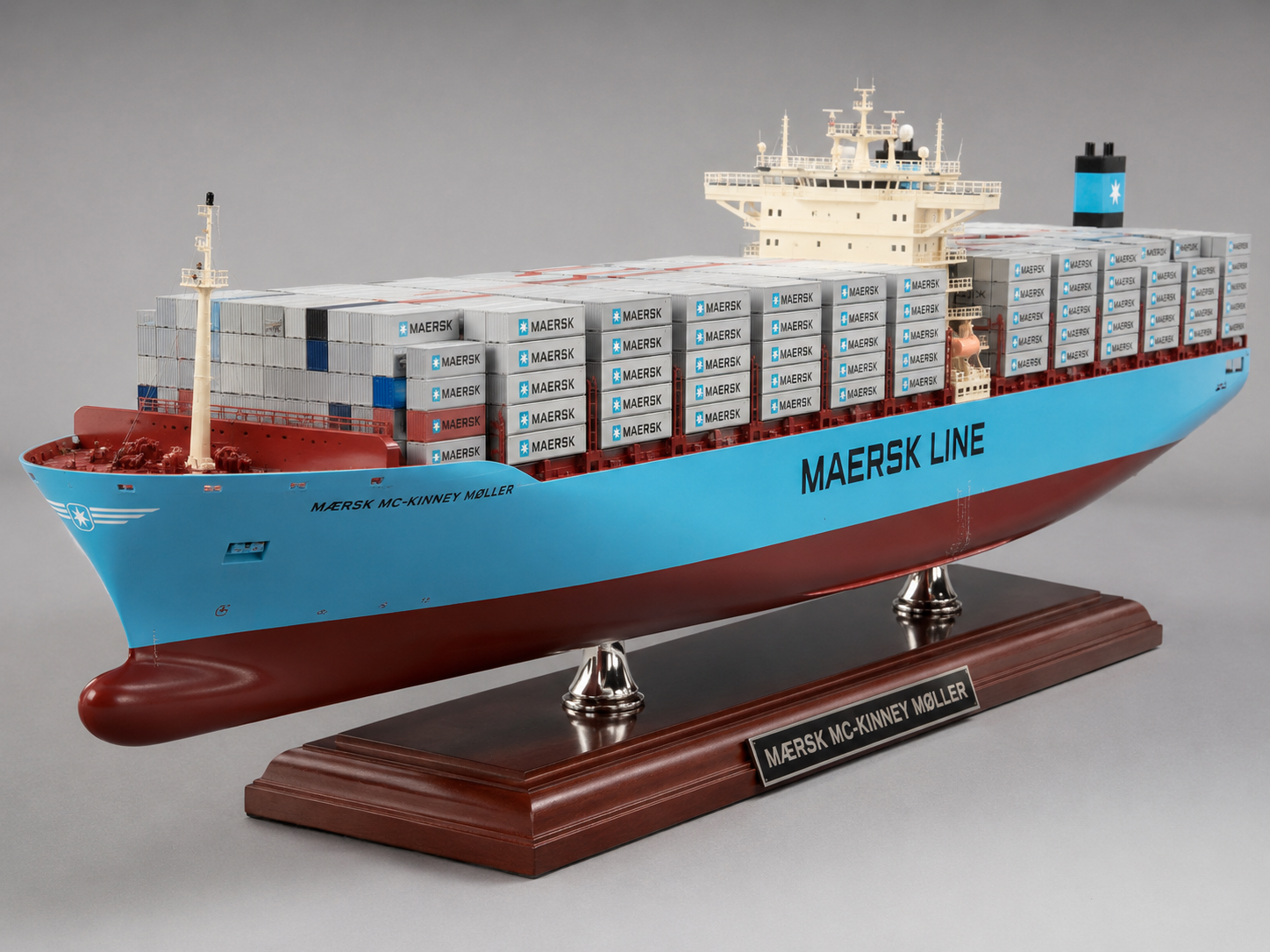
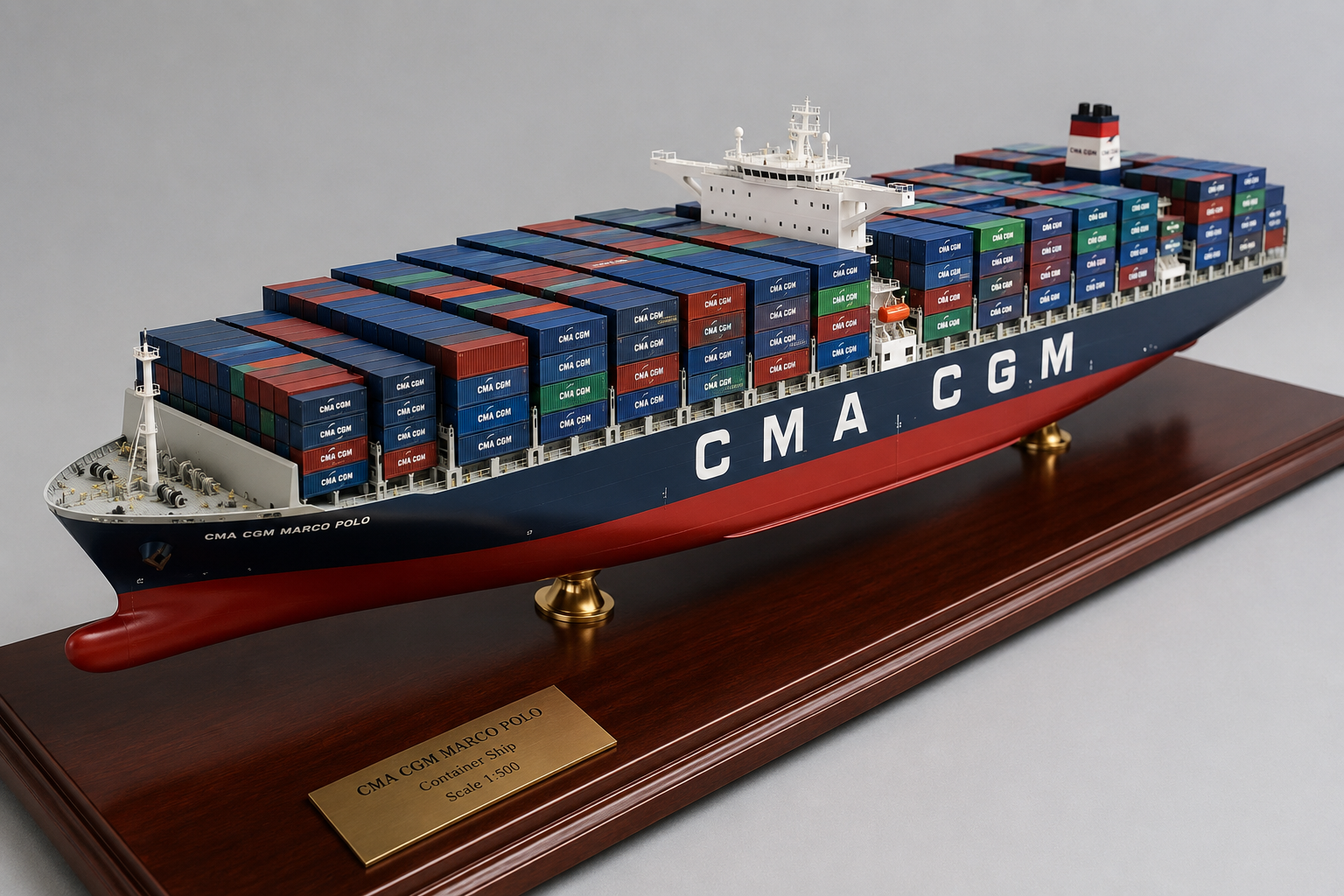
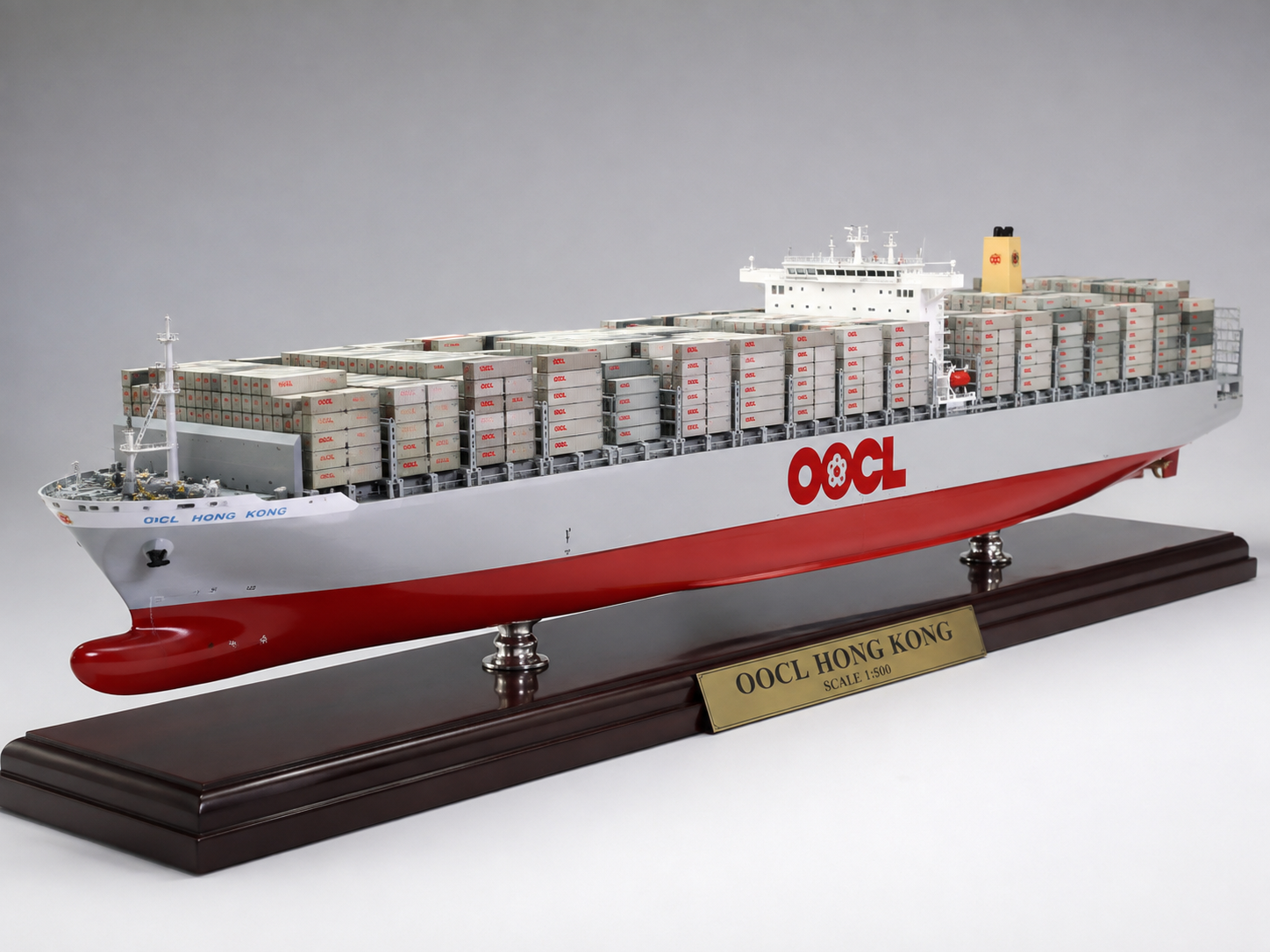
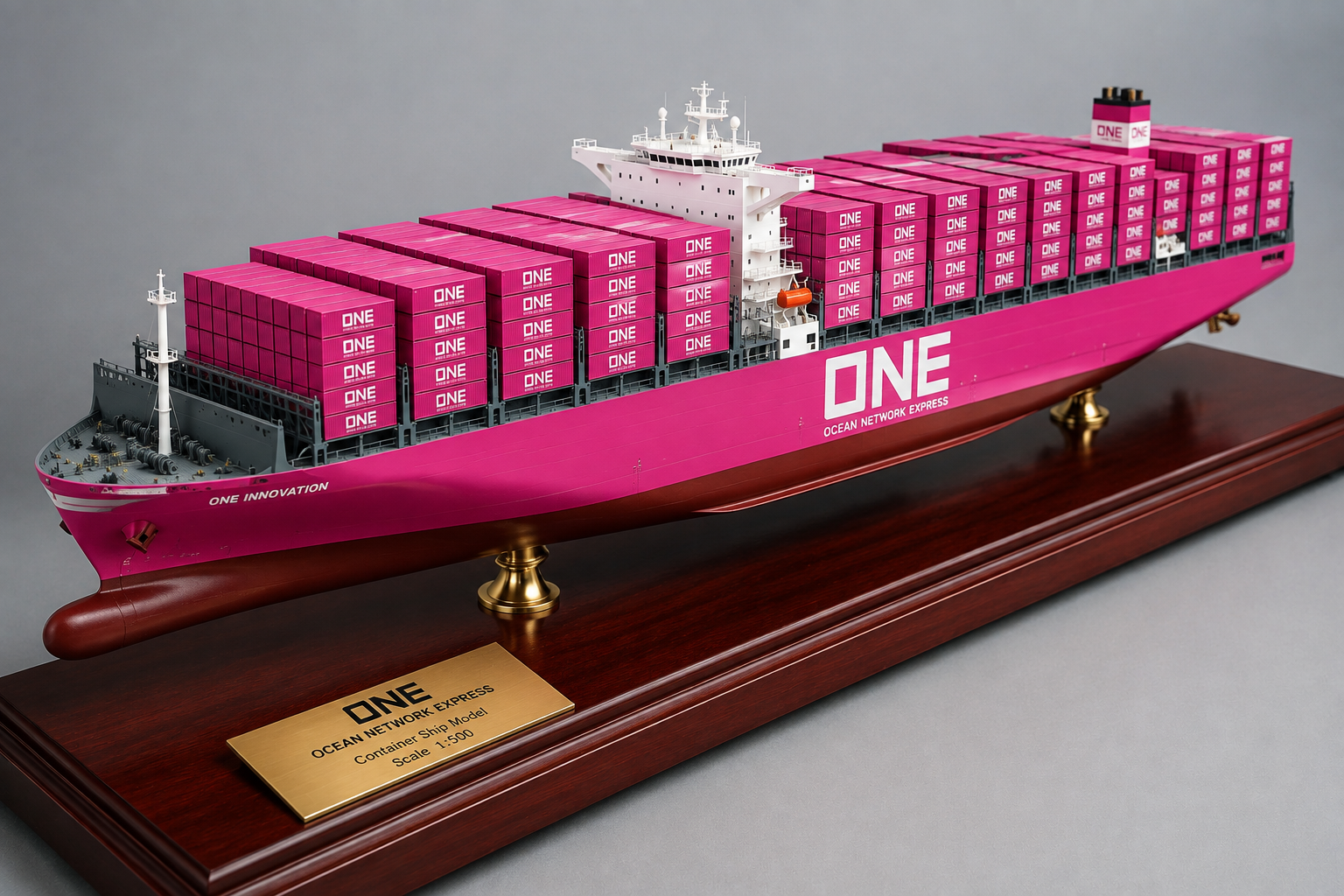
Modelle von Containerschiffen
Nützlich für die Erörterung von Themen wie Schiffsgröße, Ladungsanordnung, Lage der Kommandobrücke, Containerverkehr und moderner Konfiguration von Handelsschiffen.

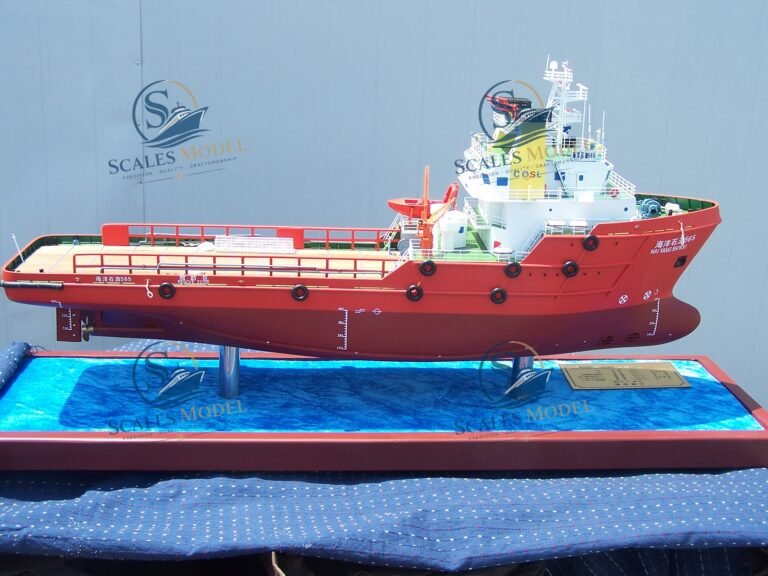
FPSO- und Offshore-Modelle
Kompakte Aufbauten, Rohrleitungen, Kräne und Ausrüstung bieten anschauliche Beispiele für die Diskussion über Offshore-Technik.
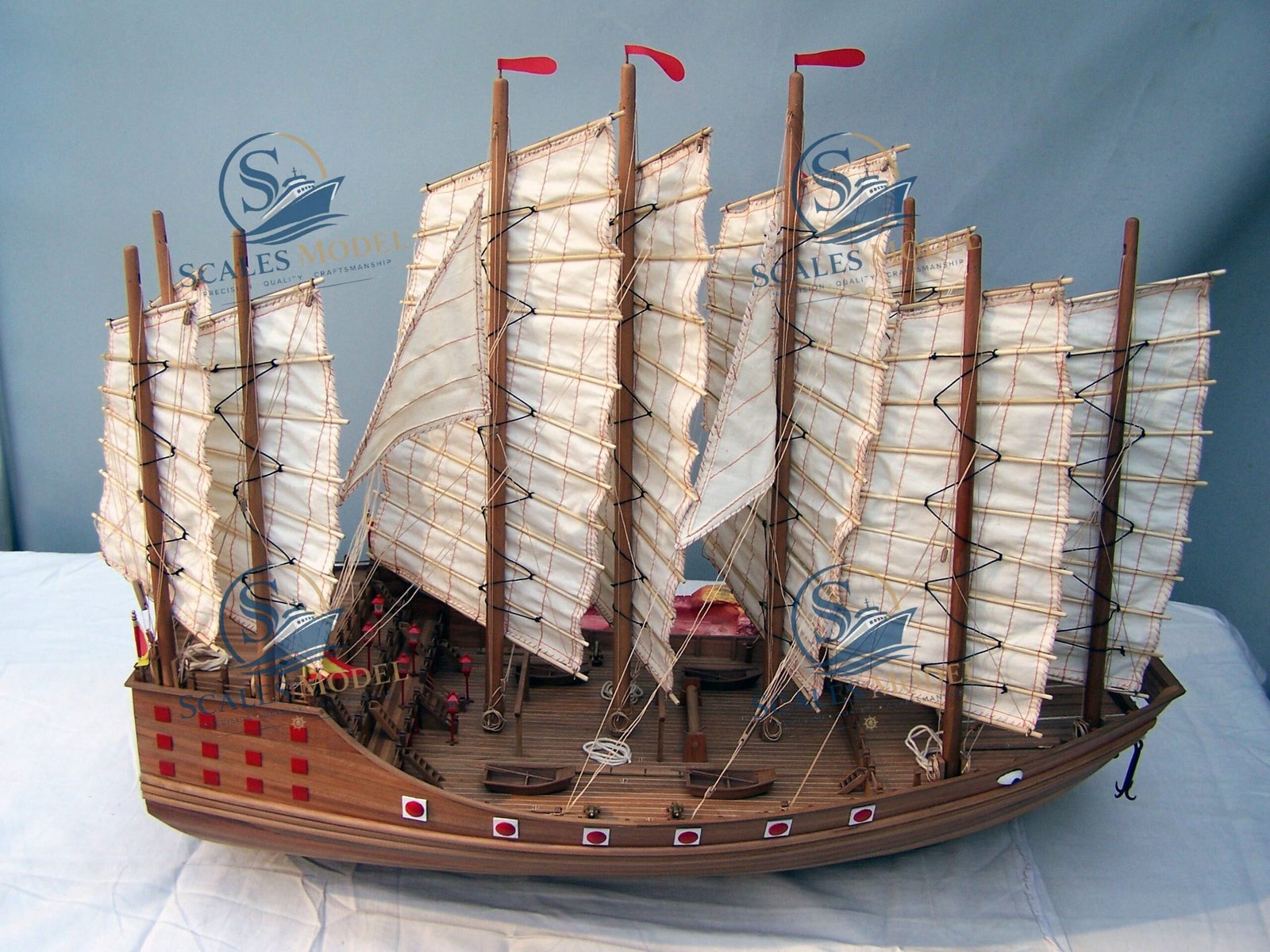
Modelle historischer Schiffe
Traditionelle Rumpfformen, Masten, Segel und Takelage können den Unterricht in maritimer Geschichte und Kulturerbe bereichern.
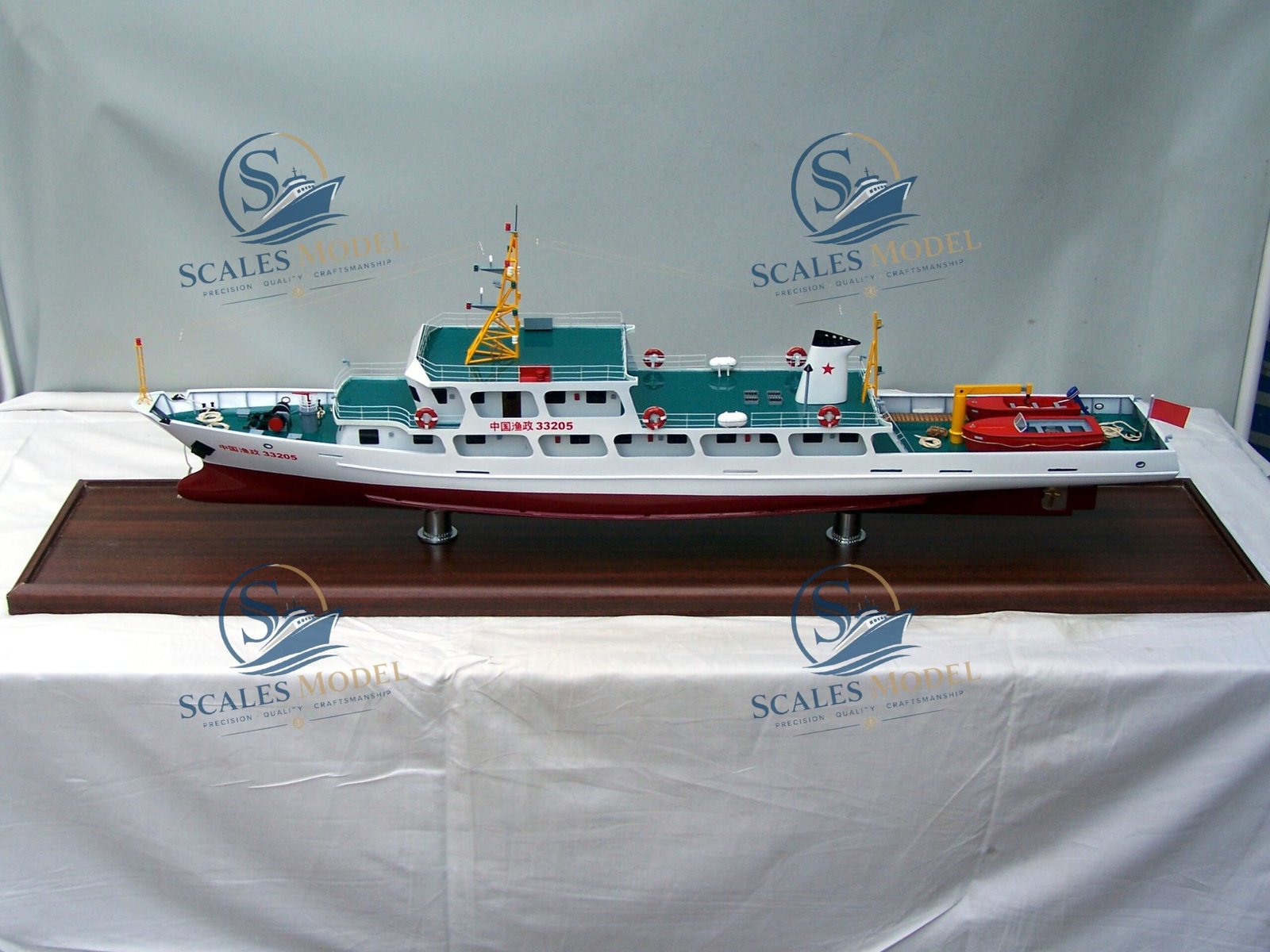
Modelle von Arbeits- und Dienstschiffen
Anhand von Spezialschiffen können die Studierenden die Betriebsabläufe mit denen herkömmlicher Fracht- und Passagierschiffe vergleichen.
Universitätsmodelle können auf unterschiedlichen Arten von Ausgangsmaterial basieren
Aus Zeichnungen bauen
Gesamtansichten, Profile, Deckspläne und andere technische Unterlagen können die Grundlage für ein physisches Modell bilden.
Aus Zeichnungen erstellen →Aus Fotos erstellen
Geeignete Fotos können Projekte unterstützen, die sich mit bestehenden, historischen oder auf andere Weise dokumentierten Schiffen befassen.
Aus Fotos erstellen →CAD und 3D-Konstruktion
Digitale Konstruktionsdaten können die Geometrie, die Maßstabsumrechnung und die Komponentenplanung unterstützen.
CAD & 3D-Konstruktion →Ein geeignetes Konzept für ein Schiffsmodell in ein physisches Präsentationsmodell umsetzen
Nicht jedes Universitätsprojekt basiert auf einem bereits in Betrieb befindlichen Schiff. Manche Projekte beginnen mit Entwürfen, CAD-Modellen oder Forschungskonzepten.
Entwurf eines Schiffes
Ein geeignetes maritimes Konzept physisch darstellen, noch bevor ein Schiff in Originalgröße existiert.
Akademisches Designprojekt
Wählen Sie eine studentische oder fachbereichsbezogene Arbeit aus und wandeln Sie diese in ein Präsentationsmodell um.
Forschungspräsentation
Die äußere Geometrie des Gefäßes und die räumlichen Beziehungen darstellen.
Ausstellungspräsentation
Verwenden Sie ein physikalisches Modell, um die Forschungskommunikation an der Universität zu unterstützen.
Schiffsmodelle nach Schiffstyp entdecken
Eine Universitätssammlung kann verschiedene Schiffstypen vereinen, um unterschiedliche maritime Wirtschaftszweige und gestalterische Schwerpunkte zu veranschaulichen.
Modelle von Handelsschiffen
Modelle von Fracht- und Arbeitsschiffen für die moderne maritime Ausbildung.
Modelle von Handelsschiffen → CONTAINERISIERUNGModelle von Containerschiffen
Moderne Containerschiffe für die Logistik und die Ausbildung im Bereich Schifffahrt.
Modelle von Containerschiffen → TROCKENFRACHTModelle von Massengutfrachtern
Laderäume, Lukendeckel und Deckanordnungen von Massengutfrachtern.
Modelle von Massengutfrachtern → ENERGIEVERFORDERUNGModelle von LNG-/LPG-Tankern
Spezialisierte Gas-Tanker Schiffskonfigurationen und sichtbare Decksysteme.
LNG-/LPG-Modelle → OFFSHORE-TECHNIKOffshore- und FPSO-Modelle
Offshore-Anlagen, Arbeitsdecks und komplexe maritime Systeme.
Offshore- und FPSO-Modelle → HAFENBETRIEBSchlepper-Modelle
Kompakte Arbeitsschiffe für die Ausbildung im Bereich Hafen- und Schleppdienst.
Schlepper-Modelle → SPEZIALEINSÄTZEModelle von Fischereifahrzeugen
Schiffe für die Fischerei und spezielle Arbeitsvereinbarungen.
Modelle von Fischereifahrzeugen → SEEGESCHICHTEModelle historischer Schiffe
Historische Schiffe, Segelschiffe und maritimes Kulturerbe.
Modelle historischer Schiffe → MARINEFORSCHUNGModelle von Marineschiffen
Modelle von Marineschiffen , basierend auf geeigneten, autorisierten Vorlagen.
Schiffsmodelle →Lehrmodell vs. Versuchsmodell
Bei Hochschulprojekten sollte vor der Herstellung die beabsichtigte Funktion des physikalischen Modells festgelegt werden.
Unterrichts- und Präsentationsmodell
Ein detailliertes physisches Ausstellungsmodell kann den visuellen Unterricht, den Vergleich von Schiffen, Diskussionen zum Thema Schiffsbau, technische Präsentationen, die Vermittlung von Forschungsergebnissen, Ausstellungen an Hochschulen sowie institutionelle Ausstellungen unterstützen.
Im Vordergrund steht dabei die Vermittlung der sichtbaren Geometrie, Anordnung und Identität des Gefäßes in physischer Form.
Hydrodynamisches oder kalibriertes Testmodell
Ein professionelles Ausstellungsmodell sollte nicht automatisch als kalibriertes Modell für den Schlepptank, für Widerstandstests oder für Labormessungen betrachtet werden.
Experimentelle Modelle erfordern unter Umständen bestimmte technische Toleranzen, Messgeräte, Werkstoffeigenschaften und Prüfnormen, die von der Universität oder der Forschungseinrichtung festgelegt werden.
Universitäten und Schifffahrtsmuseen nutzen Modelle auf unterschiedliche Weise
Beide Institutionen verwenden zwar hochdetaillierte physikalische Schiffsmodelle, doch ihre Prioritäten stimmen nicht immer überein.
Universitäten
Schwerpunkt auf Lehre, Schiffbau, Ingenieurausbildung, Forschungspräsentationen und Labore.
Schifffahrtsmuseen
Schwerpunkt auf öffentlicher Vermittlung, Sammlungen, Geschichte, Kulturerbe und Besucherausstellungen.
Gemeinsame Anforderungen
Beide legen möglicherweise Wert auf eine klare Gefäßgeometrie, eine beständige Darstellung und genaue visuelle Bezugspunkte.

Von den Lehrvorgaben zum fertigen physikalischen Modell
Zweck definieren
Lehre, Forschung, Labor oder Ausstellung.
Schiff auswählen
Wählen Sie den entsprechenden Schiffstyp oder das akademische Konzept aus.
Literaturverzeichnis
Zeichnungen, Fotos, CAD-Daten und Maße.
Maßstab der Zeichnung
Passen Sie die physische Größe an die Details und die Ausstellungsfläche an.
Herstellen & Prüfen
Das physikalische Modell bauen, fertigstellen und überprüfen.
Liefern & Ausstellen
Das Modell schützen und für die Übernahme durch die Einrichtung vorbereiten.
Unterschiedliche Gefäßformen für verschiedene Lernthemen


Schiffsmodelle – Ressource für Bildungseinrichtungen
Marine Ship Models veröffentlicht außerdem Leitfäden, die sich speziell mit Schiffsmodellen für maritime Fachschulen, Universitäten und Bildungseinrichtungen befassen.
In den Unterrichtsmaterialien wird erläutert, wie man mithilfe von physischen Schiffsmodellen den Schiffsbau, die Rumpfform, die Ladungsanordnung, die Navigationsausrüstung und andere maritime Themen anschaulicher untersuchen kann.
Universitäten können Lehrmodelle mit Visualisierung im Ingenieurwesen verknüpfen
Hochschulen, die sich mit Schiffsmaschinenbau, Schiffbau oder von der Industrie finanzierten Projekten beschäftigen, benötigen möglicherweise ein Modell, das mehr als nur eine allgemeine Schiffs-Silhouette darstellt.
GA-Zeichnungen
Unterstützung der dimensionalen Interpretation und der Anordnung der Gefäße.
CAD- und 3D-Daten
Unterstützung bei der Planung komplexer physikalischer Geometrien und Komponenten.
Vorgeschlagene Konzepte
Geeignete maritime Designkonzepte in konkrete Darstellungen umsetzen.
Forschungsausstellung
Besuchern und Interessengruppen wissenschaftliche Meeresforschungsprojekte näherbringen.
Planung des Modells für den langfristigen Einsatz an der Universität
Lehrmodelle können über längere Zeiträume hinweg in Klassenzimmern, Laboren, Empfangsbereichen oder in Ausstellungen der Fachbereiche verbleiben.
Praktische Größe auswählen
Finden Sie ein Gleichgewicht zwischen sichtbaren Details und dem verfügbaren Platz für didaktische Darstellungen.
Ausstellungssockel
Eine professionelle Basis kann die institutionelle Präsentation und Identifikation unterstützen.
Abschließende Modellprüfung
Überprüfen Sie das Modell vor der Schutzverpackung und dem Versand.
Verpackung
Schützen Sie empfindliche Geländer, Masten und andere filigrane Bauteile.
Weltweiter Versand
Bereiten Sie das Modell auf seinen endgültigen Standort an der Universität vor.
Modellpflege
Beachten Sie nach der Lieferung die entsprechenden Handhabungs- und Ausstellungsrichtlinien.
Informationsschild
Fügen Sie bei Bedarf relevante Informationen zu Schiffen, Projekten oder Abteilungen hinzu.
Mehrere Modelle
Erstellen Sie eine aufeinander abgestimmte Kollektion für verschiedene Schiffstypen.
Hochschulprojekte können sich mit anderen maritimen Sektoren überschneiden
Ingenieurbüros
Modelle auf der Grundlage von technischen Zeichnungen, CAD-Daten und technischen Daten.
Ingenieurbüros → BILDUNG & KULTURERBESchifffahrtsmuseen
Öffentliche Vermittlung, Kulturgutsammlungen und pädagogische Ausstellungen.
Schifffahrtsmuseen → ENERGIE-TECHNIKOffshore-Gesellschaften
Technische Anwendungen für Offshore- und Schifffahrtsprojekte.
Offshore-Gesellschaften → NEUBAUWerften
Modelle, die auf der Grundlage von Schiffszeichnungen, CAD-Daten und Neubauangaben entwickelt wurden.
Werften → BETRIEBSFAHRZEUGEReeder
Flotten- und schiffsspezifische Anwendungen des Unternehmensmodells.
Reeder → BRANCHENZENTRUMSchifffahrtsindustrie
Entdecken Sie die gesamte Branchenstruktur von Scales Model.
Branchen entdecken →Ressourcen zu den Themen Universität, Bildung und Schiffsbau
Schiffsmodelle für Hochschulen – Häufig gestellte Fragen
Können Hochschulen physische Schiffsmodelle für die Ausbildung im Bereich Schiffsbau einsetzen?
Können Schiffsmodelle die Ausbildung im Bereich Schiffsingenieurwesen unterstützen?
Können Hochschulen Modelle bestimmter realer Schiffe bestellen?
Lässt sich anhand von GA-Zeichnungen ein Universitätsmodell erstellen?
Können CAD- oder 3D-Dateien aus einem Forschungsprojekt verwendet werden?
Können Modelle für Schüler- oder Hochschulausstellungen angefertigt werden?
Kann eine Universität eine Sammlung verschiedener Schiffstypen aufbauen?
Können historische Schiffsmodelle für Kurse zur Seefahrtsgeschichte verwendet werden?
Sind Modelluniversitäten von Scales Model automatisch für hydrodynamische Tests geeignet?
Welchen Maßstab sollte ein Modell eines Universitätsschiffs haben?
Welche Informationen sollte eine Universität für ein Angebot übermitteln?
Benötigen Sie ein Schiffsmodell für Lehre, Forschung oder eine Ausstellung an der Universität?
Senden Sie uns Ihre Schiffszeichnungen, Fotos, CAD-Dateien, den gewünschten Maßstab, den akademischen Verwendungszweck und den Lieferort. Anhand der vorliegenden Projektinformationen lässt sich ein geeignetes physisches Modell für die maritime Ausbildung, den Schiffsbau, die Schiffsmaschinenbau oder eine universitäre Präsentation ermitteln.
Details zum Hochschulprojekt senden und ein Angebot anfordern German
  English
  Chinese
  Spanish
  French
  Indonesian
  Korean
  Japanese