Custom Ship Models for Universities
Physical ship and marine models for naval architecture, marine engineering, maritime education, research displays, laboratories, teaching collections and university exhibitions. Models can be developed from vessel drawings, photographs, CAD files and other suitable technical references to help students examine vessel form, arrangement and marine systems in three-dimensional physical form.
Turn Complex Vessel Geometry Into Something Students Can Examine Physically
Ships combine hull geometry, superstructure, deck systems, cargo arrangements, machinery spaces and marine equipment into one complex three-dimensional object.
Drawings and digital models remain essential, but a physical scale model provides another way to understand how the main parts of a vessel relate spatially.
Universities can use marine scale models to support lectures, laboratories, technical presentations, student exhibitions, departmental collections and public outreach.
University Ship Models Across Maritime & Engineering Subjects
Different departments can use physical vessel models to emphasize different aspects of maritime design and technology.
Hull Form & Vessel Geometry
Examine bow profile, stern form, beam, superstructure position and overall vessel proportions.
Equipment Relationships
Use visible deck machinery, piping, cranes and equipment to discuss how marine systems relate to vessel arrangement.
Vessel Types & Operations
Compare container ships, bulk carriers, offshore vessels, tugboats and other professional ship types.
Cargo & Global Trade
Use commercial vessel models to support discussion of cargo transport and modern maritime logistics.
Offshore Marine Systems
Physical offshore models can present dense topside structures and specialist working arrangements.
Vessel Development
Compare historic ship forms with modern commercial and technical vessel design.
Proposed Vessel Concepts
Convert appropriate student, research or project concepts into physical presentation models where practical.
University Exhibition
Use vessel models during open days, exhibitions, department displays and maritime events.
What Can Students Observe on a Physical Ship Model?
The visible detail depends on the vessel, scale, project references and required educational purpose.
Hull Form
Bow, stern, waterline and vessel proportions.
上部構造
Bridge, accommodation, deck levels and external spaces.
Cargo Arrangement
Containers, cargo holds, tank arrangements or working-deck configurations.
甲板装備
Cranes, winches, hatches and specialist working components.
配管
Visible pipe arrangements on appropriate tanker, gas-carrier or offshore models.
Navigation Structures
Masts, radar, antennas and bridge equipment.
Safety Equipment
Lifeboats, davits, rescue craft and visible safety systems.
Scale Relationship
Connect full-size vessel dimensions with physical model size.
Use Physical Models to Reinforce Spatial Understanding of Vessel Design
Naval architecture relies heavily on drawings, geometry and digital design data. A physical model can provide a complementary three-dimensional reference.
Principal Proportions
Discuss the relationship between length, beam, height and vessel form.
Hull & Superstructure
Examine how major vessel volumes relate to one another.
デッキの配置
Visualize cargo areas, working decks and external equipment positions.
Different Vessel Types
Compare the forms of commercial, offshore, historic and specialist ships.
モデルの縮尺
Relate full-size ship dimensions to a selected physical scale.
Where Can Universities Use Physical Marine Models?
Teaching Display
Provide a physical vessel reference alongside drawings, diagrams and digital learning materials.
Technical Reference Display
Use detailed models as visual references in marine engineering or design spaces.
Naval Architecture Collection
Build a collection representing different ship forms and vessel generations.
プロジェクトの可視化
Present appropriate marine concepts and proposed vessel designs in physical form.
Design Presentation
A physical model can complement selected student or academic design projects.
Department Showcase
Use marine models to communicate the department's subject area to visitors.
University Display
Models can become visual focal points during academic or maritime exhibitions.
Maritime History Teaching
Historic vessel models can support education in maritime development and navigation history.
Public Engagement
Physical models can help communicate maritime subjects to non-specialist audiences.
A Teaching Collection Can Compare Very Different Marine Designs
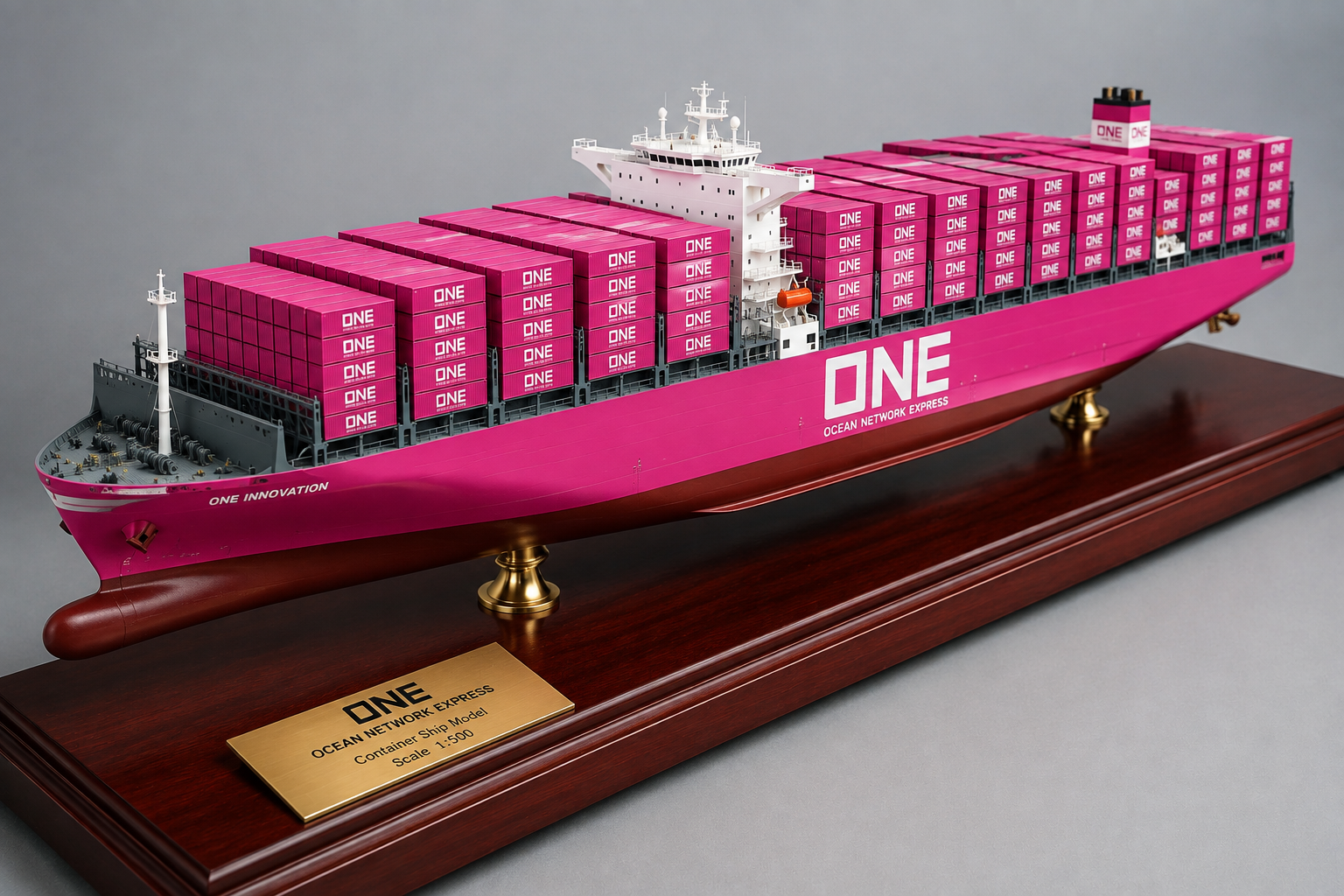
コンテナ船の模型
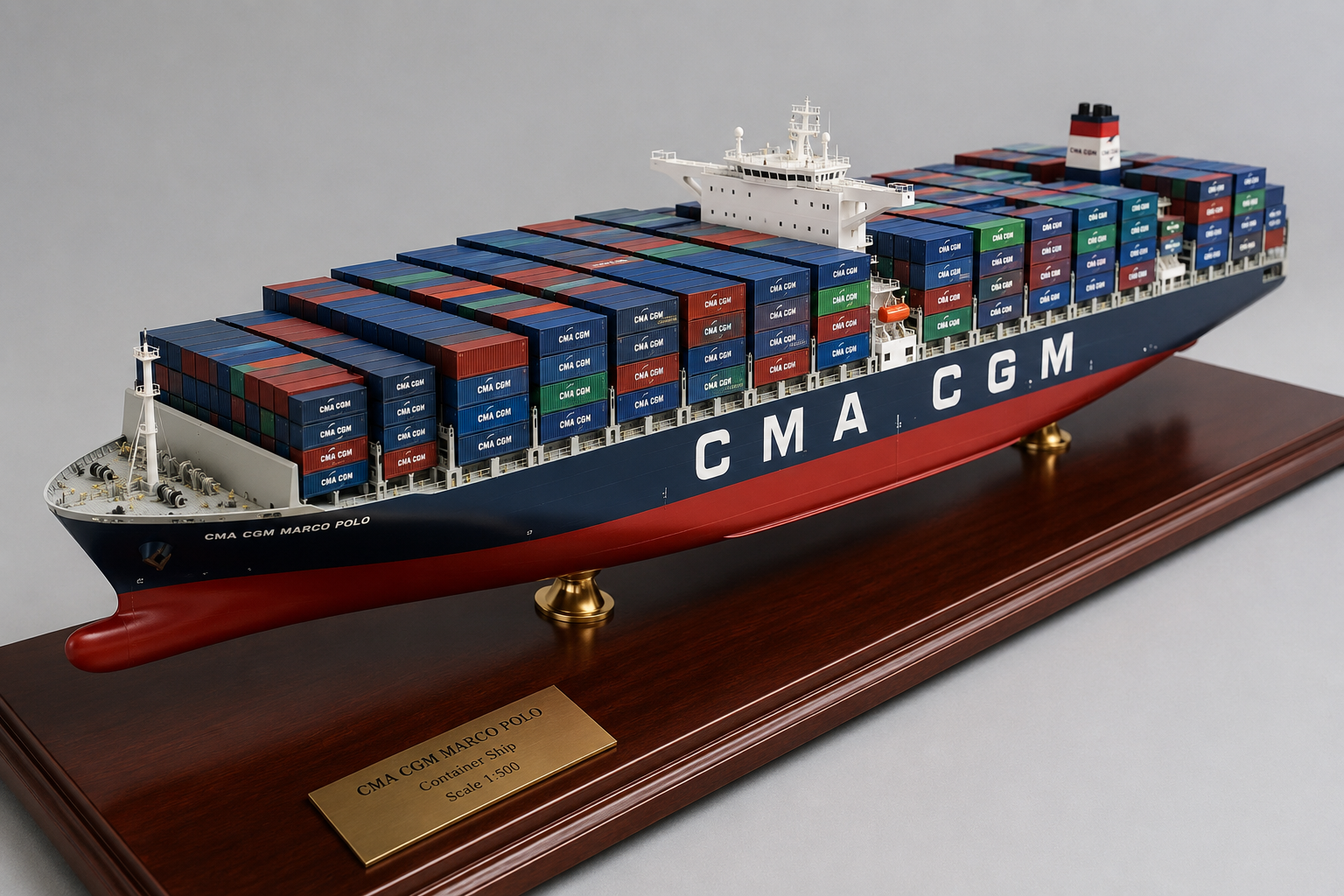
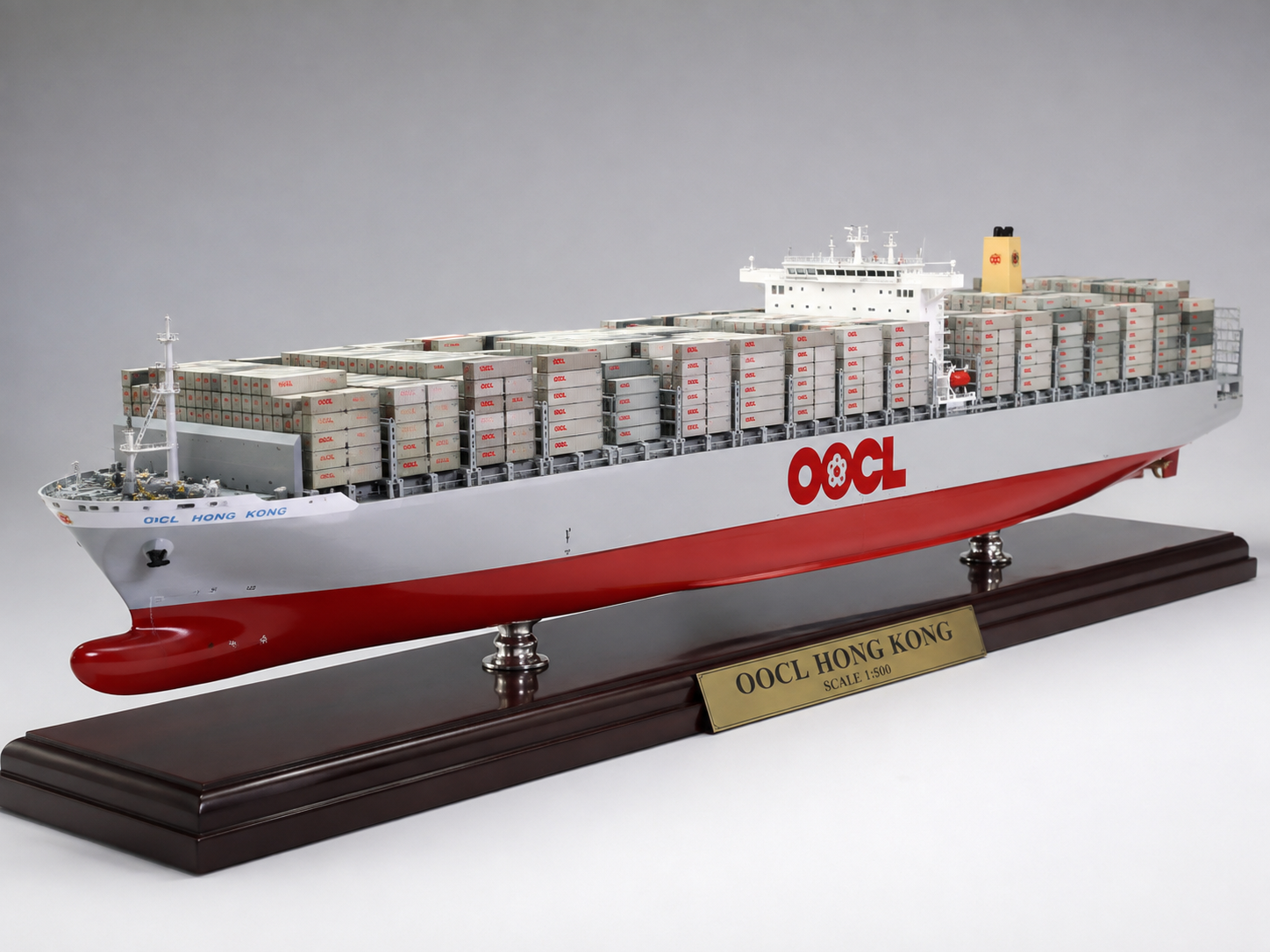
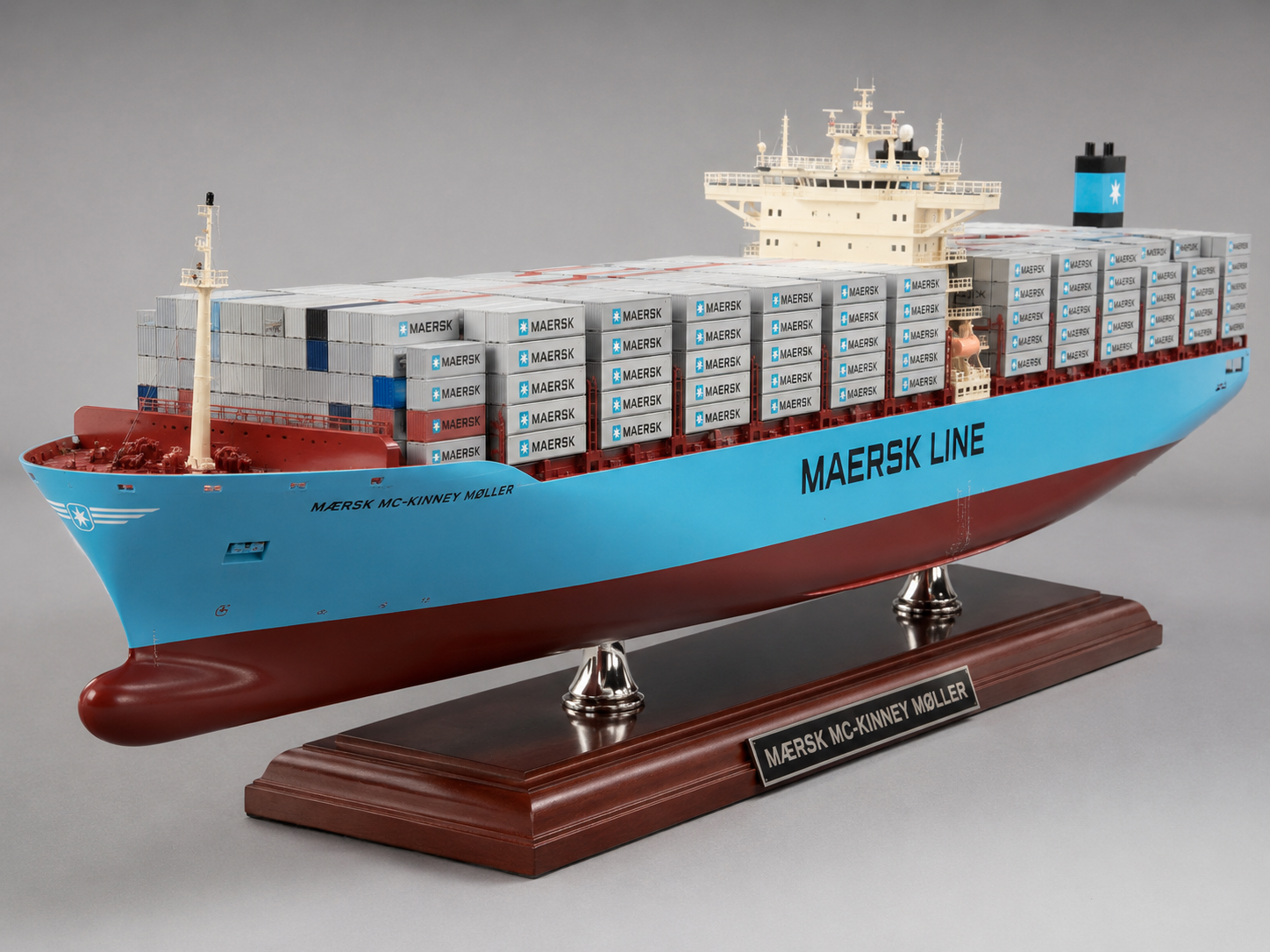
Useful for discussing vessel scale, cargo arrangement, bridge position, containerized trade and modern commercial ship configuration.

FPSO & Offshore Models
Dense topsides, piping, cranes and equipment provide useful visual examples for offshore engineering discussion.
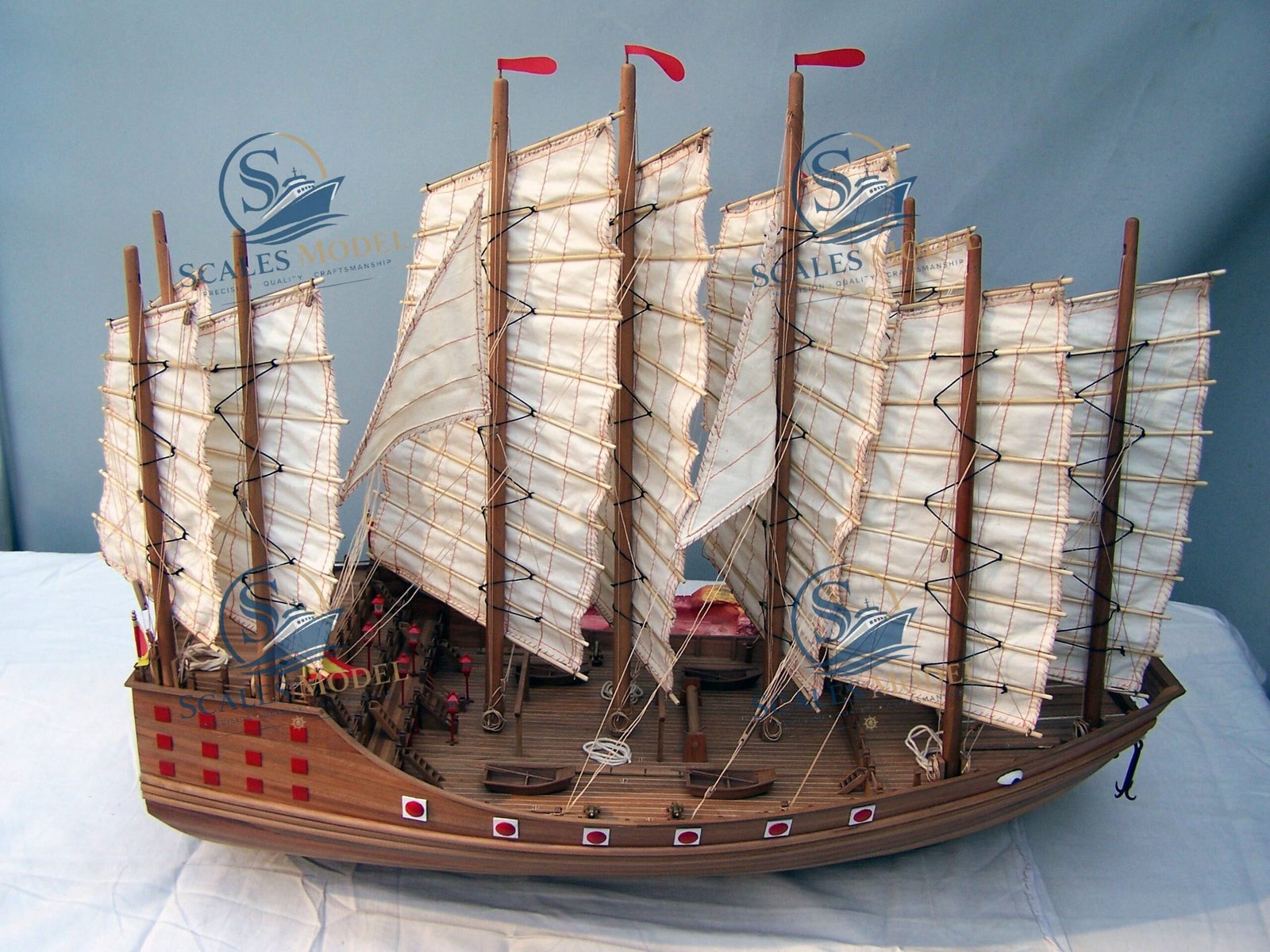
歴史的な船の模型
Traditional hull forms, masts, sails and rigging can support maritime-history and heritage teaching.
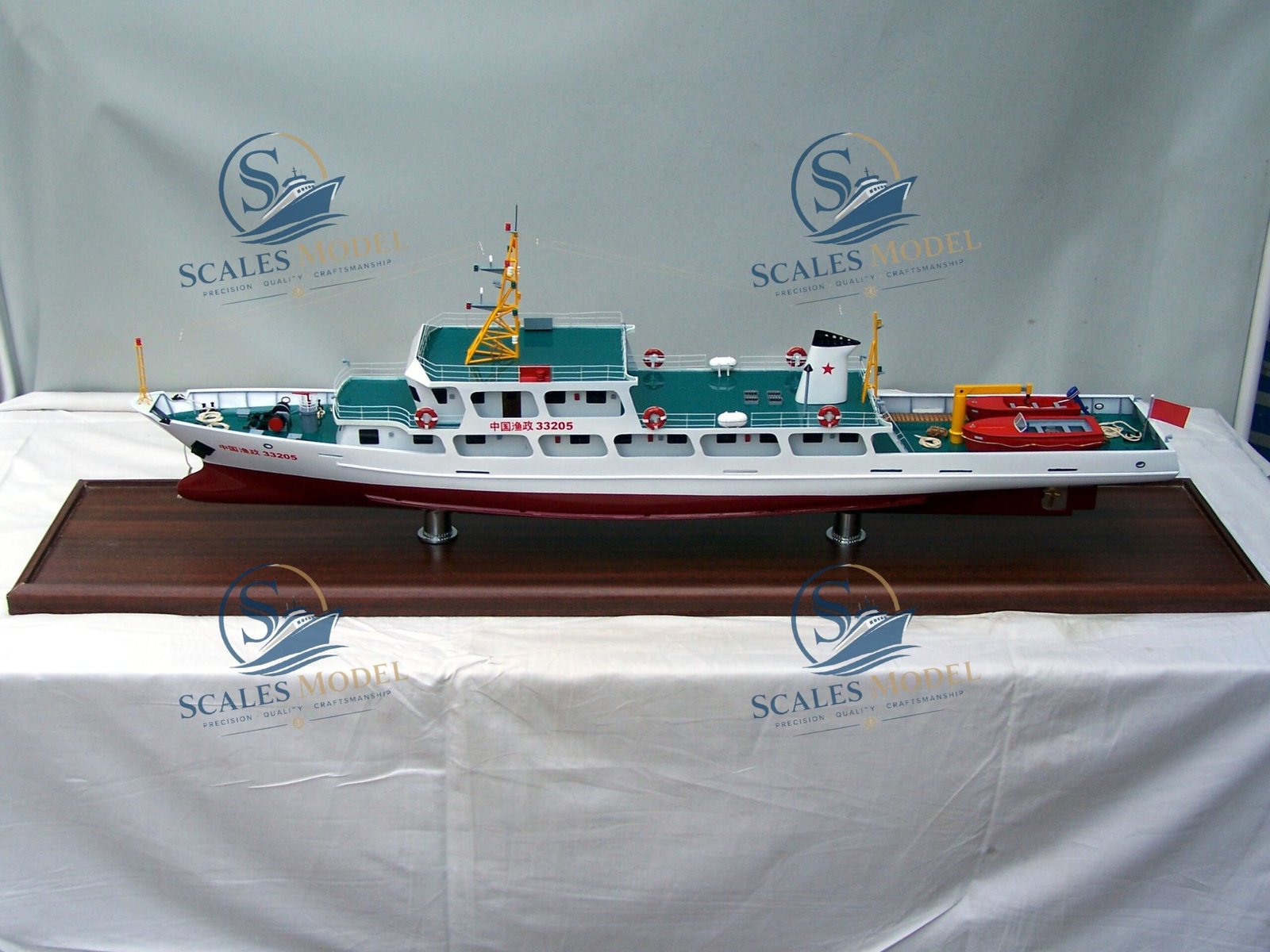
Working & Service Vessel Models
Specialist vessels allow students to compare operational layouts with conventional cargo and passenger ships.
University Models Can Begin With Different Types of Source Material
図面に基づいて製作する
General arrangement drawings, profiles, deck plans and other technical references can provide the foundation for a physical model.
図面から作成 →写真から作成
Suitable photographs can support projects involving existing, historic or otherwise documented vessels.
写真から作成 →CADおよび3D設計
Digital engineering information can support geometry, scale conversion and component planning.
CAD・3D設計 →Turn an Appropriate Proposed Marine Concept Into a Physical Presentation Model
Not every university project is based on an existing operating vessel. Some projects begin with proposed designs, CAD models or research concepts.
Proposed Vessel Design
Present an appropriate marine concept physically before a full-size vessel exists.
Academic Design Project
Translate selected student or department work into a display model.
Research Presentation
Communicate exterior vessel geometry and spatial relationships.
Exhibition Presentation
Use a physical model to support university research communication.
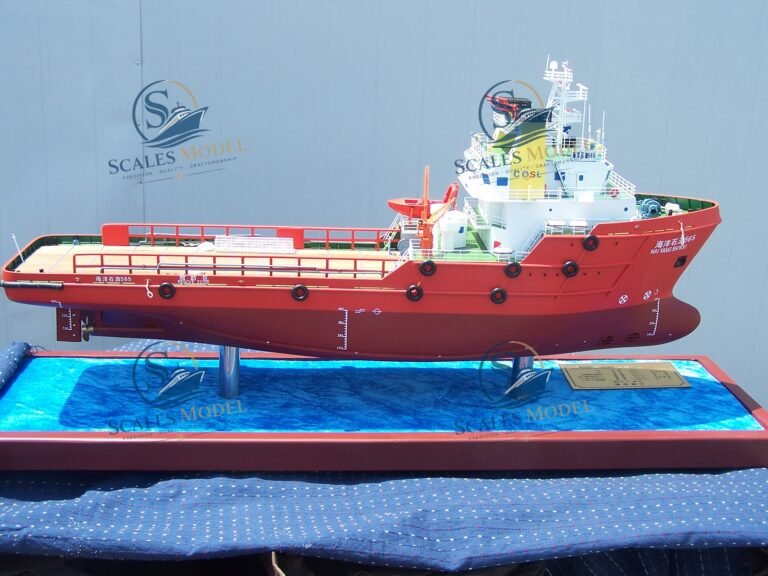
Explore Ship Models by Vessel Type
A university collection can combine multiple vessel types to illustrate different maritime industries and design priorities.
商用船の模型
Cargo and working vessel models for modern maritime education.
商用船の模型 → CONTAINERIZATIONコンテナ船の模型
Modern container vessels for logistics and shipping-system education.
コンテナ船の模型 → ドライバルクばら積み貨物船の模型
Cargo holds, hatch covers and bulk-vessel deck arrangements.
ばら積み貨物船のモデル → ENERGY TRANSPORTLNG/LPG運搬船のモデル
Specialized gas-carrier vessel configurations and visible deck systems.
LNG/LPGモデル → OFFSHORE ENGINEERINGオフショアおよびFPSOの模型
Offshore structures, working decks and complex marine systems.
オフショアおよびFPSOの模型 → 港湾業務タグボートの模型
Compact working vessels for port and towage education.
タグボートの模型 → SPECIALIST OPERATIONS漁船の模型
Fishery-related vessels and specialist working arrangements.
Fishing Vessel Models → 海事史歴史的な船の模型
Historical vessels, sailing ships and maritime heritage.
Historic Ship Models → NAVAL STUDIES海軍艦艇の模型
Exterior naval vessel models based on suitable authorized references.
海軍艦艇の模型 →Educational Display Model vs Experimental Test Model
University projects should define the intended function of the physical model before production.
Teaching & Presentation Model
A detailed physical display model can support visual teaching, vessel comparison, naval architecture discussion, engineering presentation, research communication, university exhibitions and institutional display.
Its priority is communicating the vessel's visible geometry, arrangement and identity in physical form.
Hydrodynamic or Calibrated Test Model
A professional display model should not automatically be treated as a calibrated towing-tank, resistance-testing or laboratory measurement model.
Experimental models may require specific engineering tolerances, instrumentation, material properties and test standards defined by the university or research facility.
Universities and Maritime Museums Use Models Differently
Both institutions may use highly detailed physical vessel models, but their priorities are not always identical.
大学
Focus on teaching, naval architecture, engineering education, research presentation and laboratories.
海事博物館
Focus on public interpretation, collections, history, heritage and visitor exhibitions.
Shared Requirements
Both may value clear vessel geometry, durable presentation and accurate visual references.

From Teaching Requirement to Finished Physical Model
Define Purpose
Teaching, research, laboratory or exhibition.
Choose Vessel
Select relevant vessel type or academic concept.
参考文献一覧
Drawings, photos, CAD and dimensions.
Plan Scale
Match physical size with detail and display space.
Produce & Inspect
Build, finish and review the physical model.
Deliver & Display
Protect and prepare the model for its institution.
Different Vessel Designs for Different Learning Topics


Marine Ship Models – Educational Institutions Resource
Marine Ship Models also publishes guidance specifically about ship models for maritime colleges, universities and educational institutions.
Its educational material discusses using physical vessel models to examine ship design, hull shape, cargo arrangements, navigation equipment and other maritime subjects in a more tangible format.
Universities Can Connect Teaching Models With Engineering Visualization
Universities working with marine engineering, naval architecture or industry-funded projects may need a model that presents more than a generic ship silhouette.
GA図面
Support dimensional interpretation and vessel arrangement.
CADおよび3Dデータ
Support complex physical geometry and component planning.
Proposed Concepts
Convert suitable marine design concepts into physical presentation.
Research Exhibition
Communicate academic marine projects to visitors and stakeholders.
Plan the Model for Long-Term University Use
Educational models may remain in classrooms, laboratories, reception spaces or departmental displays for extended periods.
Select Practical Size
Balance visible detail with the available educational display space.
ディスプレイ台座
A professional base can support institutional display and identification.
Final Model Review
Review the model before protective packaging and delivery.
パッケージ
Protect delicate railings, masts and other fine components.
世界中への配送
Prepare the model for its final university destination.
モデルのケア
Follow suitable handling and display practices after delivery.
案内板
Add relevant vessel, project or departmental information where required.
複数のモデル
Build a coordinated collection across several vessel types.
University Projects Can Overlap With Other Maritime Sectors
エンジニアリング会社
Models based on engineering drawings, CAD and technical data.
エンジニアリング会社 → EDUCATION & HERITAGE海事博物館
Public interpretation, heritage collections and educational exhibitions.
Maritime Museums → ENERGY ENGINEERINGオフショア会社
Technical offshore and marine project model applications.
オフショア会社 → 新築造船所
Models developed from vessel drawings, CAD and newbuilding data.
Shipyards → OPERATING VESSELS船主
Fleet and vessel-specific corporate model applications.
船主 → 業界ハブ海事産業
Explore the complete Scales Model industry structure.
Explore Industries →University, Education & Marine Engineering Resources
Ship Models for Universities – Frequently Asked Questions
Can universities use physical ship models for naval architecture education?
Can ship models support marine engineering education?
Can universities order models of specific real vessels?
Can a university model be made from GA drawings?
Can CAD or 3D files from a research project be used?
Can models be produced for student or university exhibitions?
Can a university create a collection of different ship types?
Can historic ship models be used for maritime history courses?
Are Scales Model university models automatically suitable for hydrodynamic testing?
What scale should a university ship model use?
What information should a university send for a quotation?
Need a Ship Model for Teaching, Research or University Display?
Send Scales Model your vessel drawings, photographs, CAD files, desired scale, academic application and delivery destination. The available project information can be reviewed to determine an appropriate physical model for maritime education, naval architecture, marine engineering or university presentation.
Send University Project Details & Request a Quote Japanese
  English
  Chinese
  Spanish
  German
  French
  Indonesian
  Korean