SHIP MODEL DESIGN TECHNOLOGY
Desain Model Kapal Berbantuan AI vs. Keahlian Tradisional
AI, CAD, 3D printing and traditional craftsmanship are often discussed together in modern ship model manufacturing. However, these technologies perform different tasks, and understanding their roles helps explain how an accurate physical scale model is produced.
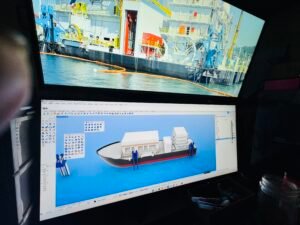
AI can support selected digital tasks, CAD provides tools for geometry and dimensional planning, 3D printing manufactures suitable physical components, and traditional craftsmanship brings the model together through assembly, finishing and detailing.
This guide compares these methods, explains their limitations and outlines a practical workflow for developing a vessel-specific scale ship model.
1. What Is AI-Assisted Ship Model Design?
AI-assisted ship model design means using AI tools to support selected parts of a model development process. Depending on the application, these tools may help organize reference information, analyze images, explore visual concepts or assist suitable repetitive tasks.
AI-generated concepts can be useful during early exploration, but a convincing image is not the same as a dimensionally accurate three-dimensional engineering model. An image may show inconsistent structures, incorrect equipment placement or details that do not exist on the real vessel.
For a custom scale ship model, AI output should therefore be treated as a supporting reference rather than a replacement for approved vessel drawings, reliable dimensions and technical review.
Potential AI Applications
- Organizing project references
- Supporting visual comparisons
- Exploring preliminary concepts
- Assisting selected repetitive tasks
Tasks Requiring Verification
- Hull and superstructure dimensions
- Deck and equipment positions
- Vessel-specific geometry
- Manufacturing tolerances and assembly fit
2. Traditional Craftsmanship in Scale Ship Modeling
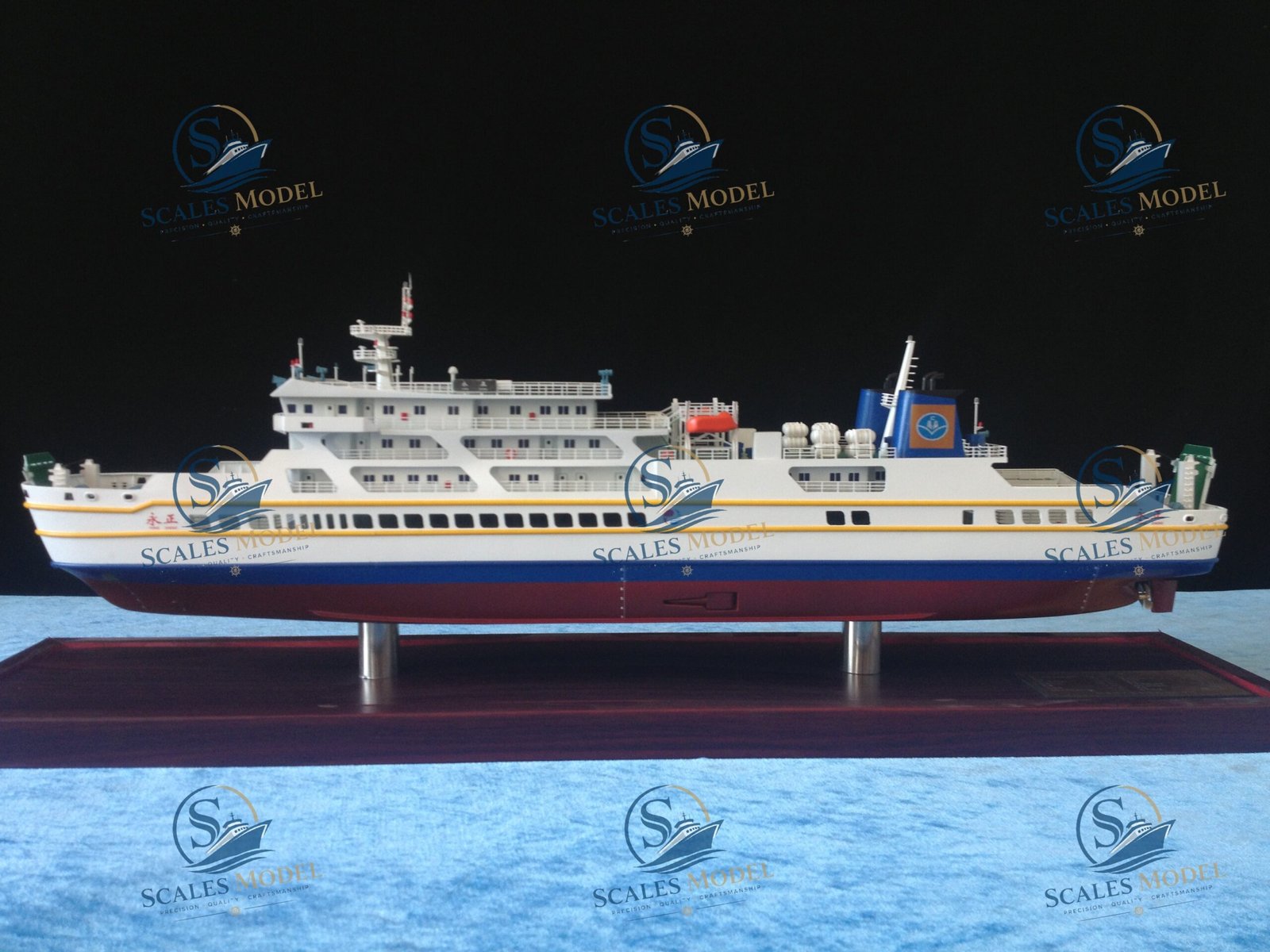
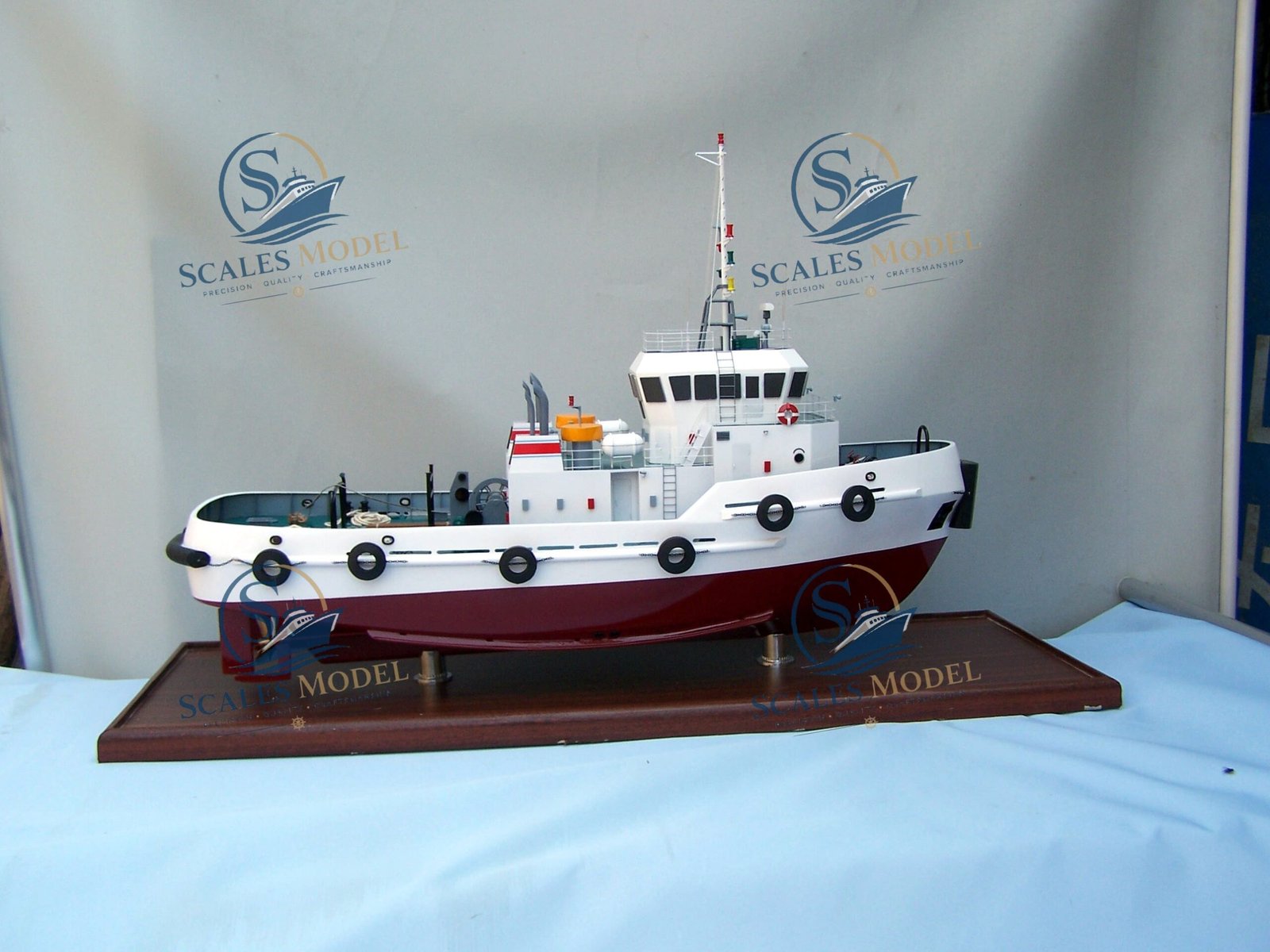
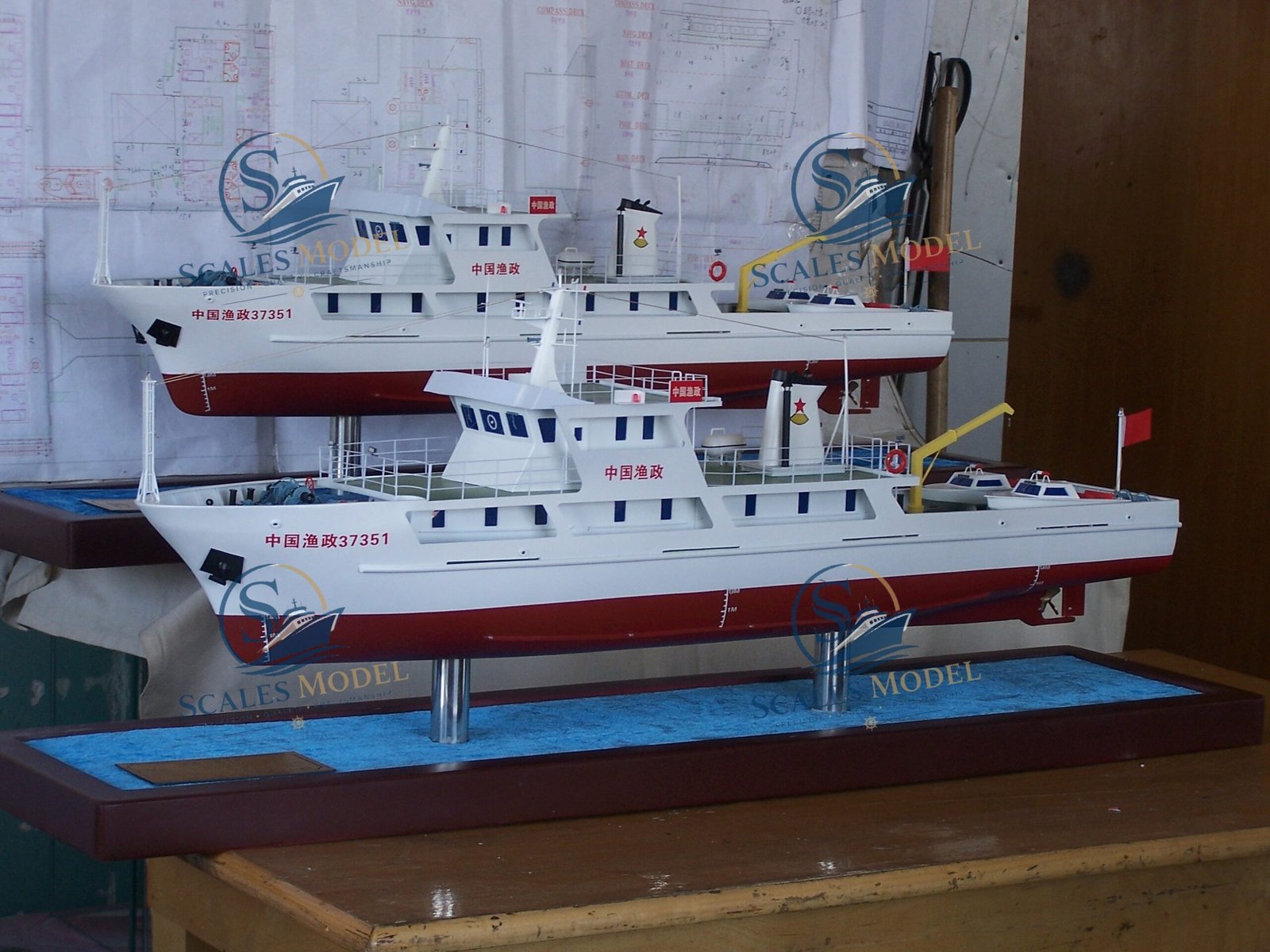
Traditional craftsmanship covers the practical skills used to manufacture, assemble and finish a physical model. Depending on the vessel, this may include hull shaping, deck construction, superstructure assembly, small-part installation, surface preparation, painting and fine detailing.
Many ship models contain delicate components such as railings, antennas, ladders, lifeboats, cranes, piping and navigation equipment. These parts must be positioned carefully and integrated with the main structure.
Craftsmanship is also important for the final appearance. Even when components are produced digitally, the finished model still requires careful alignment, clean surfaces, consistent paintwork and attention to visible details.
3. AI, CAD, 3D Printing and Handcrafting Are Different Tools
| Method | Primary Role | Important Limitation |
|---|---|---|
| AI-assisted tools | Support selected analysis and design tasks | May produce unsupported or geometrically inaccurate output |
| CAD and 3D modeling | Construct and edit digital geometry | Accuracy depends on the source data and modeling quality |
| 3D printing | Manufacture suitable physical components from digital models | Material, resolution, strength and surface finish vary |
| CNC processing | Machine selected components with controlled geometry | Not suitable for every shape, material or production requirement |
| Traditional craftsmanship | Assembly, detailing, finishing and visual integration | Requires skilled labor and careful quality control |
These methods are not direct substitutes for one another. A single custom ship model may use several of them at different stages, depending on its scale, geometry, materials and required finish.
4. Why CAD and Technical Drawings Still Matter
For vessel-specific projects, the design needs a reliable basis. General arrangement drawings, deck plans, side profiles, equipment drawings and vessel dimensions can help establish the principal geometry and arrangement.
CAD and suitable 3D engineering files can provide additional geometric information, but the files should be reviewed for completeness and consistency. A visually detailed 3D model may still differ from the actual vessel.
When only photographs are available, several viewing angles and reliable dimensions can help reconstruct the vessel's appearance. Important details may still need clarification before production.
Learn more about our CAD & 3D Design service dan building ship models from drawings.
5. Scale Conversion and Detail Planning
Before manufacturing begins, full-size vessel dimensions must be converted into the selected model scale. Scale also influences the visibility and practicality of individual components.
Model Dimension = Full-Size Dimension ÷ Scale Denominator
For example, a 200-metre vessel at 1:200 scale has an approximate model length of 1 metre.
| Skala | Model Length for a 200 m Vessel | General Consideration |
|---|---|---|
| 1:100 | 200 cm | Large display footprint and room for visible detail |
| 1:200 | 100 cm | Professional display with a moderate footprint |
| 1:300 | 66,7 cm | Compact presentation requiring careful detail planning |
| 1:500 | 40 cm | Smaller components may need visual simplification |
These are illustrative dimensions before adding the display base or protective case. Actual detail decisions depend on vessel geometry, available references and the intended viewing distance.
Use our Panduan Skala Model Kapal to understand how scale affects model dimensions and presentation requirements.
6. A Hybrid Production Workflow
A practical production workflow assigns each task to the method best suited to it. Digital tools can help with planning and repeatable geometry, while physical manufacturing and skilled finishing produce the completed model.
Step 1 — Review References
Collect GA drawings, photographs, dimensions, CAD information and vessel identity requirements.
Step 2 — Plan the Model
Choose the scale, establish principal geometry and identify the details that need further reference information.
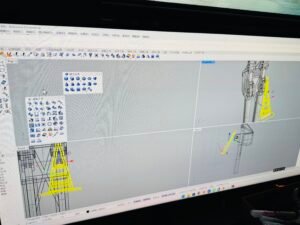
Step 3 — Develop Digital Geometry
Use suitable CAD and 3D tools to plan the hull, superstructure and individual components.
Step 4 — Manufacture Components
Select suitable materials and fabrication methods for each part, including 3D printing or CNC where appropriate.
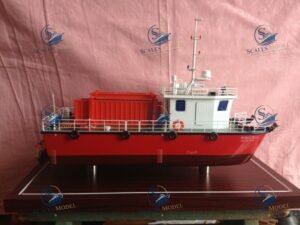
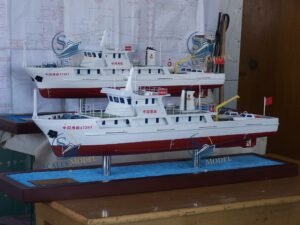
Step 5 — Assemble and Finish
Align the hull, decks, equipment and small parts, then apply paint, graphics and vessel markings.
Step 6 — Inspect and Protect
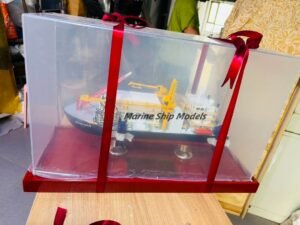
Compare the finished model with approved references, inspect the finish and prepare suitable packaging.
Explore the complete Scales Model Production Process for further information about the stages from reference review to final delivery.
7. How the Best Approach Changes by Vessel Type
Kapal Kontainer
Container vessels contain repeated structures and strong corporate identity elements. Digital planning can help maintain consistent container arrangements, while painting, alignment and vessel-specific markings remain important.
Explore our Model Kapal Kontainer.
Offshore and FPSO Models
Offshore vessels and FPSO projects may feature dense working decks, specialist cranes, piping, modules and complex structures. Reliable technical references and careful component planning are especially important.
Explore our Model Lepas Pantai & FPSO.
Yachts and Private Vessels
Yacht models often require attention to smooth surfaces, hull contours, glazing, deck furniture and distinctive exterior finishes. Suitable photographs, drawings and dimensional information help guide the model development.
Explore our Model Kapal Pesiar.
Kapal-kapal Bersejarah
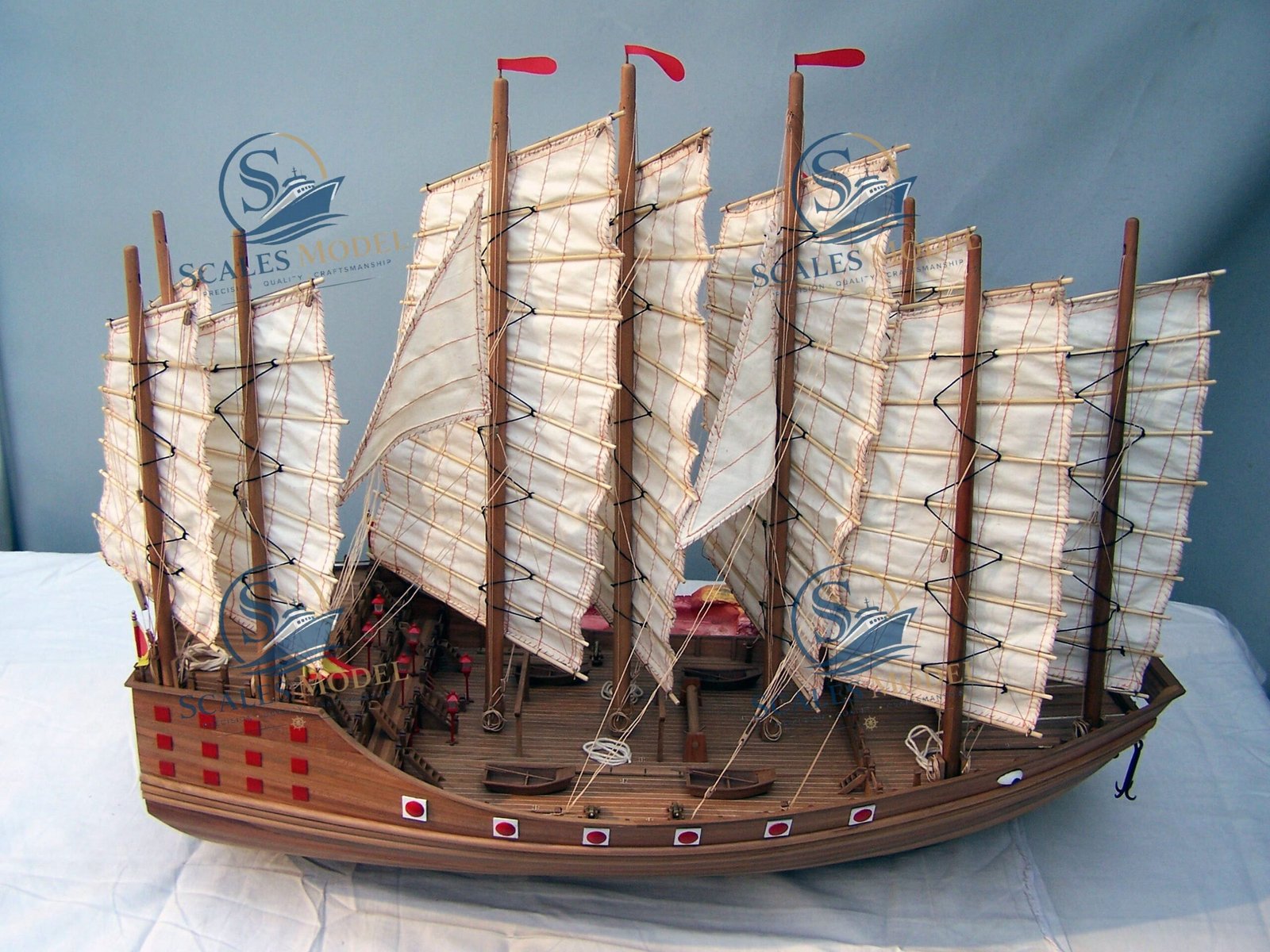
Historical projects may rely on archival drawings, photographs and period references. Traditional techniques can be particularly important for sails, rigging and decorative details.
Explore our Model Kapal Bersejarah.
8. How to Assess Model Accuracy
The technology used to create a model is only one part of the quality assessment. The finished model should be evaluated against the actual vessel references and the project requirements.
- Geometry: compare the hull, bow, stern and superstructure proportions.
- Layout: check deck levels, bridge position and major equipment locations.
- Detail: inspect visible railings, masts, cranes, piping and other defining features.
- Finish: compare colors, vessel names, logos and markings with the supplied references.
- Assembly: check alignment, component stability and surface quality.
- Presentation: confirm the base, identification plaque and packaging requirements.
For complex projects, progress reviews and sample approval can help identify issues before the final finishing stage or before a larger batch enters production.
9. Choosing a Manufacturer for a Technology-Assisted Model
When choosing a supplier, ask about the complete production workflow rather than focusing on a single technology claim.
Technical Capability
Can the team interpret vessel drawings, dimensions, photographs and suitable digital files?
Production Method
Can the manufacturer explain how fabrication methods are selected for different components?
Quality Control
Are design checks, sample approvals and final inspections included where appropriate?
Komunikasi Proyek
Can requirements, design changes and important details be confirmed throughout production?
Turn Your Vessel References into a Physical Scale Model
Scales Model develops custom ship models for shipowners, shipyards, offshore companies, engineering organizations, museums and professional displays. Share your vessel drawings, photographs, CAD files, desired scale and quantity to discuss the most suitable production approach.
Ajukan Permintaan Penawaran Harga untuk Model Kapal Khusus Jelajahi Model Kapal KustomPertanyaan yang Sering Diajukan
Can AI replace traditional ship model craftsmanship?
AI can support selected digital tasks, but physical model production still requires suitable manufacturing methods, assembly, surface finishing and quality inspection. The methods are complementary rather than interchangeable.
Is AI-generated 3D geometry suitable for manufacturing?
It may provide a starting point, but the geometry needs to be checked and prepared for the intended manufacturing process. Dimensional accuracy, structural integrity and component fit should be reviewed before production.
What is the difference between CAD and AI-assisted design?
CAD is used to create and edit digital geometry with dimensional control. AI-assisted tools may support tasks such as reference analysis or concept exploration, but their output does not automatically have engineering accuracy.
When should 3D printing be used for ship models?
3D printing can be suitable for selected complex or small components, depending on their geometry, material requirements, strength and surface finish. Other manufacturing methods may be more appropriate for different parts.
What information is needed to start a custom ship model?
Useful information includes the vessel name and type, GA drawings, photographs, dimensions, desired scale or model length, quantity, intended use and delivery destination. Additional references can be identified during the initial review.
 Indonesian
 English
 Chinese
 Spanish
 German
 French
 Korean
 Japanese