
Panduan Skala Model Kapal
Pahami arti skala 1:50, 1:100, 1:150, 1:200 dan skala model kapal lainnya, hitung panjang akhir model Anda, dan pilih skala berdasarkan ukuran kapal, detail yang terlihat, ruang pameran, tujuan presentasi, dan persyaratan pengiriman.
Apa Arti Skala 1:100?
Rasio skala menggambarkan seberapa kecil model tersebut dibandingkan dengan kapal aslinya.
Di Skala 1:100, setiap dimensi model tersebut setara dengan seperseratus dari dimensi yang sesuai pada kapal ukuran asli.
Sebagai contoh, sebuah kapal asli yang memiliki panjang 100 meter akan menjadi sekitar 1 meter pada skala 1:100. Pada skala 1:200, kapal yang sama akan menjadi sekitar 50 sentimeter.
Panjang model dalam cm = panjang kapal dalam meter × 100 ÷ penyebut skala.
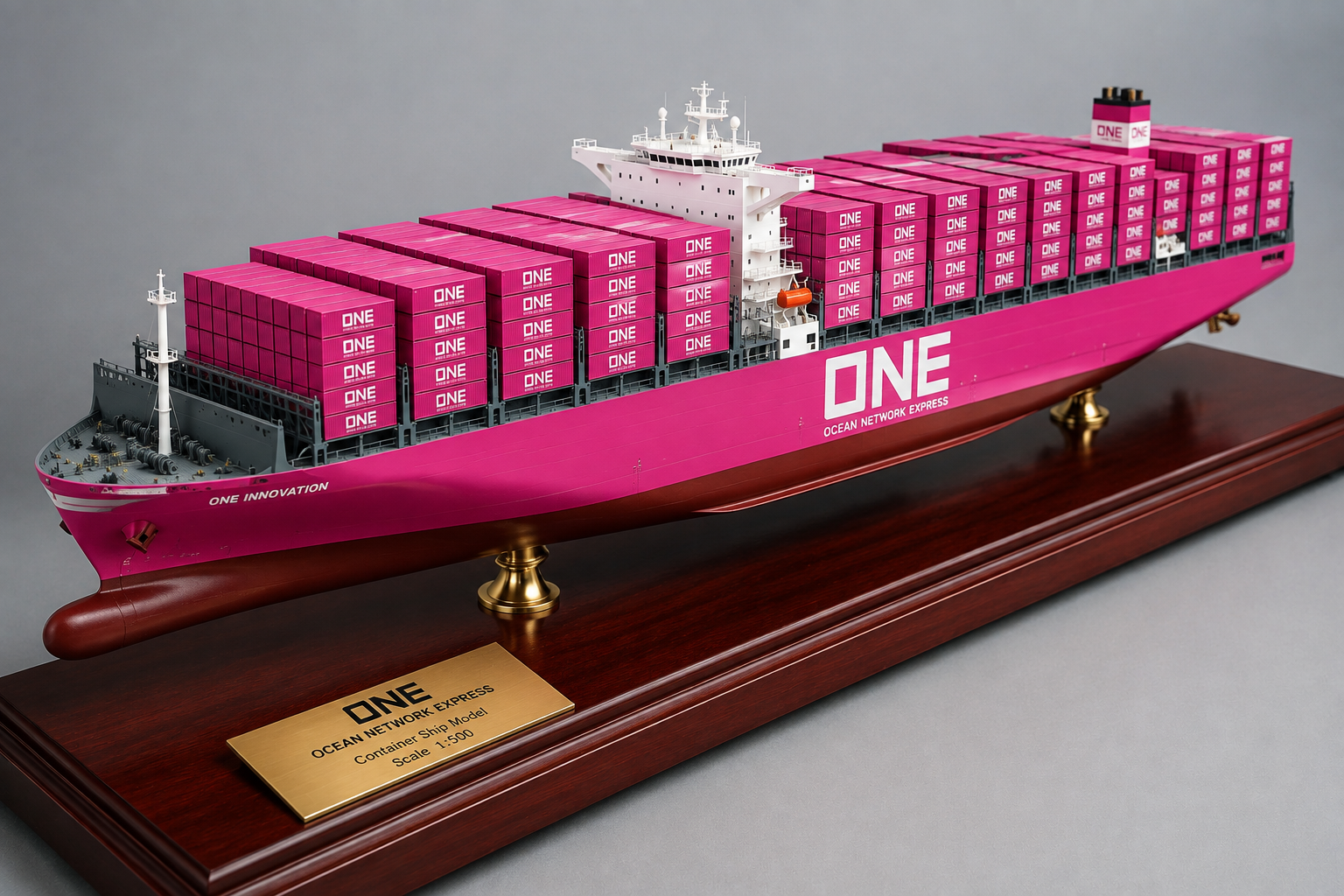
Kalkulator Skala Model Kapal
Hitung panjang model jadi berdasarkan skala yang diketahui, atau hitung perkiraan skala yang diperlukan untuk panjang model yang diinginkan.
Panjang Kapal → Panjang Model
Masukkan panjang kapal dalam ukuran sebenarnya dan pilih skalanya.
Panjang Model Target → Skala
Gunakan ini jika Anda sudah mengetahui kira-kira seberapa besar ruang tampilan yang Anda miliki.
Hasil perhitungan kalkulator merupakan nilai-nilai perhitungan matematis. Skala model akhir yang akan digunakan dalam praktik dapat disesuaikan sesuai dengan tingkat kerumitan kapal, alas pajangan, kotak pelindung, ruang yang tersedia, dan persyaratan proyek.
Bagaimana Perbedaan Skala Model Kapal Mempengaruhi Proyek
Ini hanyalah contoh perencanaan, bukan aturan baku. Skala yang tepat bergantung pada kapal yang bersangkutan dan tujuan akhir dari model tersebut.
Kehadiran Fisik Maksimal
Menghasilkan model yang relatif besar dan memungkinkan penampilan detail eksterior yang menonjol. Seringkali lebih praktis untuk kapal-kapal berukuran kecil atau proyek-proyek yang secara sengaja memerlukan tampilan yang sangat besar.
Presentasi Kapal Besar
Memberikan kesan fisik yang nyata sekaligus mengurangi ukuran keseluruhan dibandingkan dengan skala 1:50. Berguna ketika pengamatan dari jarak dekat dan penyajian yang detail menjadi prioritas.
Keseimbangan yang Kuat antara Detail dan Ukuran
Pilihan perencanaan yang berguna bagi banyak proyek tampilan profesional di mana struktur dek masing-masing dan identitas kapal harus tetap terlihat jelas.
Detail dengan Jejak Lingkungan yang Lebih Kecil
Dapat menjadi solusi praktis yang seimbang untuk kapal berukuran sedang dan besar di mana detail tampilan tetap menjadi hal yang penting namun ruang tampilan lebih terbatas.
Layar Profesional yang Ringkas
Sering kali patut dipertimbangkan untuk kapal komersial berukuran besar, aset lepas pantai, dan proyek kelautan berskala besar lainnya di mana model yang telah jadi harus tetap mudah ditangani.
Kapal Sangat Besar atau Ruang Terbatas
Penyebut berskala lebih besar akan mengurangi ukuran model jadi dan dapat membantu mengakomodasi kapal yang sangat panjang, armada, atau ruang pameran yang terbatas.
Panjang Kapal vs Panjang Model Jadi
Tabel di bawah ini menunjukkan panjang model matematis untuk beberapa contoh ukuran kapal.
| Panjang Kapal Sebenarnya | 1:50 | 1:75 | 1:100 | 1:150 | 1:200 | 1:250 | 1:300 |
|---|---|---|---|---|---|---|---|
| 50 m | 100 cm | 66,7 cm | 50 cm | 33,3 cm | 25 cm | 20 cm | 16,7 cm |
| 100 m | 200 cm | 133,3 cm | 100 cm | 66,7 cm | 50 cm | 40 cm | 33,3 cm |
| 150 m | 300 cm | 200 cm | 150 cm | 100 cm | 75 cm | 60 cm | 50 cm |
| 200 m | 400 cm | 266,7 cm | 200 cm | 133,3 cm | 100 cm | 80 cm | 66,7 cm |
| 250 m | 500 cm | 333,3 cm | 250 cm | 166,7 cm | 125 cm | 100 cm | 83,3 cm |
| 300 m | 600 cm | 400 cm | 300 cm | 200 cm | 150 cm | 120 cm | 100 cm |
Panjang model belum termasuk ruang tambahan yang diperlukan untuk alas pajangan, kotak pelindung, dan lingkungan pajangan.
Delapan Faktor yang Perlu Dipertimbangkan Sebelum Memilih Timbangan
Panjang Kapal Sebenarnya
Sebuah kapal tunda sepanjang 30 meter dan sebuah kapal kontainer sepanjang 300 meter dengan skala yang sama akan menghasilkan panjang model yang sangat berbeda.
Rincian yang Diperlukan
Model fisik yang lebih besar umumnya menyediakan ruang yang lebih luas untuk pagar, pipa, peralatan, dan komponen kecil lainnya yang terlihat.
Ruang Pameran
Pertimbangkan tidak hanya modelnya tetapi juga alasnya, kotak pelindungnya, serta area pajangan di sekelilingnya.
Jarak Pandang
Tampilan di ruang rapat yang dilihat secara cermat mungkin memiliki prioritas yang berbeda dibandingkan instalasi pameran berskala besar.
Kompleksitas Kapal
FPSO, kapal lepas pantai, dan kapal-kapal teknis yang kompleks mungkin memiliki detail yang padat di berbagai tingkat.
Transportasi & Pengemasan
Model yang sangat besar juga memerlukan kemasan pelindung yang lebih besar serta perencanaan pengiriman yang lebih matang.
Tujuan Proyek
Pameran perusahaan, museum, pameran, galangan kapal, dan pameran teknik dapat memiliki prioritas yang berbeda-beda.
Berbagai Model
Sebuah tampilan armada dapat memperoleh manfaat dari skala yang konsisten, panjang akhir yang seragam, atau strategi tampilan terpadu lainnya.
1:100 vs 1:200 — Apa Perbedaannya?
Mari kita ambil contoh sebuah kapal dengan panjang keseluruhan sebenarnya sebesar 200 meter.
Model Fisik yang Lebih Besar
Pada skala 1:100, panjang kapal tersebut menjadi sekitar 2 meter sebelum ditambahkan alas pajangan dan kotak pelindung.
Hal ini memberikan kehadiran fisik yang signifikan, namun juga membutuhkan ruang pajangan dan kemasan yang jauh lebih besar.
Layar yang Lebih Ringkas
Pada skala 1:200, kapal yang sama memiliki panjang sekitar 1 meter.
Hal ini mungkin lebih mudah diterapkan di kantor perusahaan, ruang pamer, atau pameran, sekaligus tetap memberikan kesan yang kuat secara keseluruhan.
Angka Skala yang Lebih Besar Menghasilkan Model yang Lebih Kecil
Ini adalah salah satu hal yang paling sering menimbulkan kebingungan ketika membahas skala model.
1:50
Kapal aslinya dibagi 50, sehingga menghasilkan model yang relatif besar.
1:100
Kapal yang sama dibagi 100, sehingga panjangnya menjadi setengah dari versi skala 1:50.
1:200
Kapal yang sama menjadi setengah panjang dari versi skala 1:100.
1:300
Model ini menjadi lebih ringkas, yang dapat berguna untuk kapal yang sangat panjang atau ruang tampilan yang terbatas.

Jenis Kapal yang Berbeda Menimbulkan Tantangan Skala yang Berbeda-beda
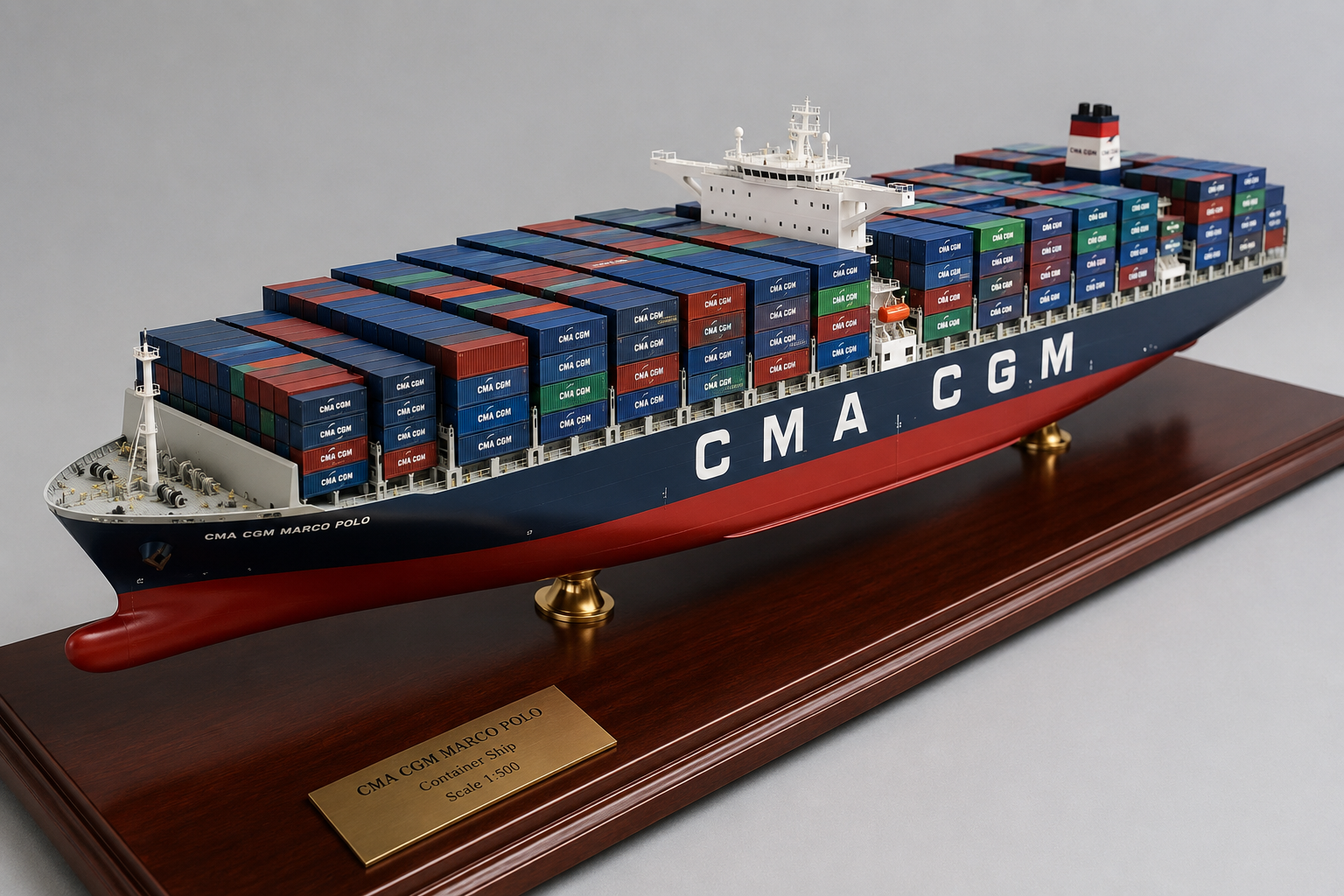
Lambung Panjang Memerlukan Perencanaan Ukuran yang Teliti
Kapal kontainer besar dapat dijadikan model yang sangat panjang dengan skala 1:100 atau 1:150, sehingga skala sebaiknya dipilih bersamaan dengan perencanaan ruang pameran.

Kepadatan Detail Sama Pentingnya dengan Panjangnya
FPSO dan model teknis lepas pantai mungkin berisi modul proses, pipa, derek, landasan helikopter, serta struktur padat lainnya yang memengaruhi tingkat detail fisik yang berguna.
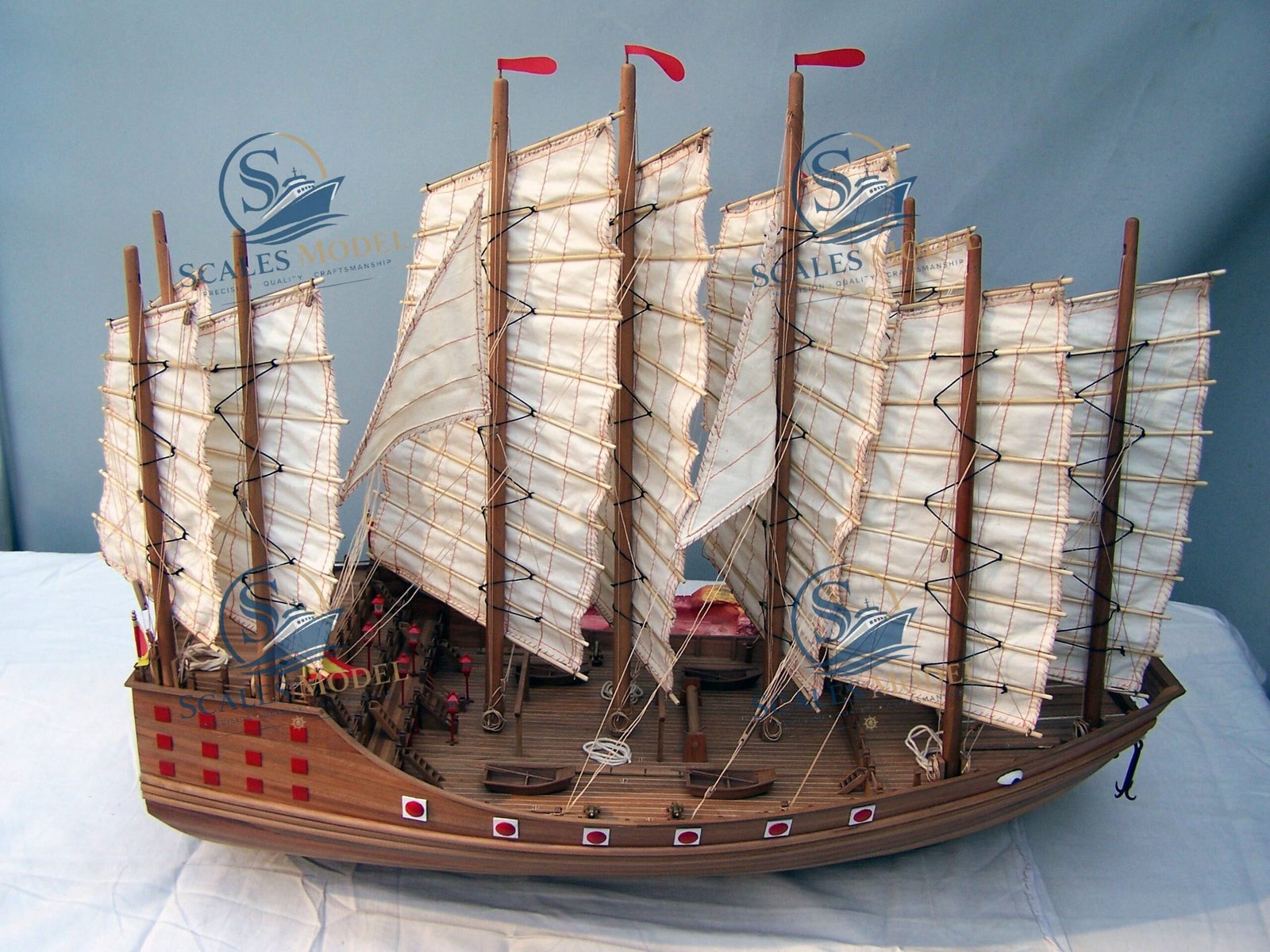
Rigging dan Tiang Mempengaruhi Skala Praktis
Proyek kapal bersejarah mungkin memerlukan ukuran fisik yang cukup untuk tiang layar, balok layar, layar, dan tali-temali agar tetap terlihat menarik.

Kapal Asli yang Lebih Kecil Dapat Mendukung Rasio Model yang Lebih Besar
Kapal yang lebih pendek memungkinkan skala fisik yang lebih besar sekaligus menjaga agar model yang sudah jadi tetap berada dalam ruang pameran yang masih dapat dikelola.
Anda dapat memilih skala berdasarkan panjang model jadi yang diinginkan
Terkadang, cara termudah untuk memilih skala adalah dengan mempertimbangkan ruang yang tersedia di kantor, ruang pamer, atau tempat pameran.
Sebagai contoh, bayangkan kapal aslinya memiliki panjang 300 meter, tetapi Anda ingin model kapal yang sudah jadi itu memiliki panjang sekitar 120 sentimeter.
Target matematisnya kira-kira Skala 1:250 .
Skala proyek akhir kemudian dapat dievaluasi berdasarkan tingkat kerumitan kapal, tingkat detail yang diinginkan, serta dimensi tampilan secara keseluruhan.
Hitung Skala Target Anda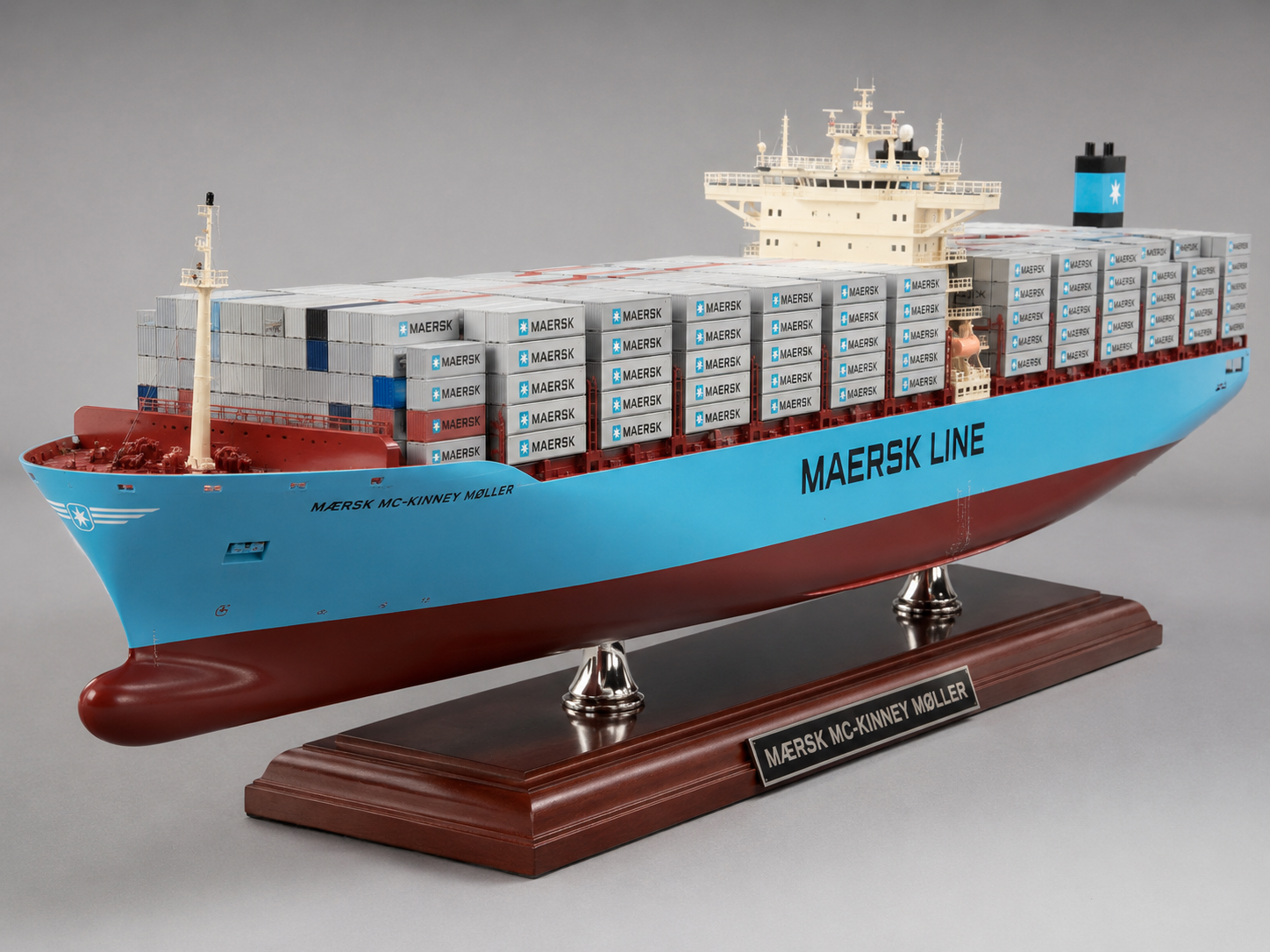
Skala yang Sama atau Panjang Akhir yang Sama?
Apabila beberapa kapal akan dipamerkan secara bersamaan, kedua pendekatan ini menghasilkan hasil yang sangat berbeda.
Skala yang Sama
Semua model menggunakan skala yang sama. Oleh karena itu, kapal sepanjang 300 meter akan tampak secara fisik lebih besar daripada kapal sepanjang 100 meter, sehingga tampilan tersebut dapat menggambarkan ukuran relatif kapal yang sebenarnya.
Panjang Akhir yang Serupa
Kapal yang berbeda dapat menggunakan skala yang berbeda sehingga modelnya memiliki dimensi tampilan yang kira-kira sama. Hal ini dapat menghasilkan penampilan perusahaan yang lebih seragam.
Strategi Tampilan Campuran
Kapal andalan yang penting dapat berukuran lebih besar, sementara model armada tetap lebih ringkas, tergantung pada tujuan pameran atau tampilan perusahaan.
Skala “Terbaik” Bergantung pada Apa yang Harus Dilakukan oleh Model Tersebut
Tidak ada satu pun skala yang tepat untuk setiap model kapal buatan sendiri.
Tampilan Perusahaan
Perpaduan antara detail yang seimbang, kesan visual yang menonjol, dan ruang kantor yang fungsional.
Pameran Maritim
Pertimbangkan jarak pandang, ukuran stan, dan transportasi.
Pameran Museum
Pertimbangkan interpretasi, detail halus, dan dimensi kotak pajangan yang tersedia.
Presentasi Galangan Kapal
Menyeimbangkan detail produk dengan presentasi kepada pelanggan dan penggunaan jangka panjang di ruang pamer.
Presentasi Teknik
Prioritaskan struktur eksternal dan hubungan desain yang harus tetap terlihat.
Proses Pemilihan Skala Praktis dalam Enam Langkah
Konfirmasi Panjang Kapal
Mulailah dengan dimensi keseluruhan kapal yang sebenarnya.
Ukur Luas Ruang Pameran
Pertimbangkan ketersediaan ruang lemari atau area pameran.
Tentukan Tingkat Detail
Tentukan detail eksterior mana saja yang harus tetap terlihat.
Opsi Perhitungan
Bandingkan beberapa kemungkinan rasio skala.
Pertimbangkan Pengiriman
Sertakan ukuran alas, ukuran kotak, dan ukuran kemasan.
Konfirmasi Skala Akhir
Pilih skala proyek yang praktis.

Sumber Daya Perencanaan Skala Model Kapal Laut
Marine Ship Models juga menerbitkan informasi edukatif yang menjelaskan skala model serta bagaimana ukuran kapal, detail visual, dan ruang pajangan yang tersedia memengaruhi pemilihan skala.
Sumber daya eksternal ini dapat memberikan konteks umum tambahan saat membandingkan rasio skala sebelum memulai proyek khusus.
Skala Hanyalah Salah Satu Bagian dari Ringkasan Proyek
Setelah skala perkiraannya diketahui, langkah selanjutnya adalah meninjau referensi kapal, persyaratan detail, dan informasi produksi.
Menyiapkan Gambar
Gambar GA, profil kapal, denah dek, dan dokumen teknis dapat membantu menentukan geometri model.
Meninjau Berkas CAD & 3D
Informasi rekayasa digital dapat mendukung perencanaan geometri dan komponen yang kompleks.
Memahami Proses Produksi
Lihat bagaimana skala yang dipilih diterapkan ke dalam proses produksi lambung, struktur, dan detail.
Sumber Daya Terkait Skala, Perencanaan, dan Model Kapal Khusus
Skala Model Kapal – Pertanyaan yang Sering Diajukan
Apa arti skala 1:100 untuk model kapal?
Apakah model skala 1:100 lebih besar daripada model skala 1:200?
Bagaimana cara menghitung panjang model kapal?
Berapa panjang kapal sepanjang 300 meter jika dibuat dalam skala 1:200?
Berapa panjang kapal sepanjang 300 meter jika dibuat dalam skala 1:250?
Skala apa yang paling tepat untuk model kapal buatan sendiri?
Skala apa yang cocok untuk kapal kontainer besar?
Skala apa yang cocok untuk model FPSO?
Apakah semua model armada harus menggunakan skala yang sama?
Informasi apa saja yang harus saya kirimkan untuk mendapatkan rekomendasi ukuran?
Kirimkan kepada kami panjang kapal Anda dan ruang pajang yang tersedia
Scales Model dapat meninjau dimensi kapal, referensi proyek, tingkat detail yang diinginkan, serta lingkungan pameran yang direncanakan untuk membantu menentukan skala yang praktis bagi model kapal fisik khusus Anda.
Kirim Detail Kapal & Ajukan Permintaan Penawaran Harga Indonesian
  English
  Chinese
  Spanish
  German
  French
  Korean
  Japanese