Present Naval Vessel Design in a Clear Physical Form
Naval and government-vessel projects present a unique communication challenge.
The vessels themselves are highly recognizable, but the information available for public presentation must also be carefully controlled.
For professional exhibitions such as EURONAVAL, the ideal physical model therefore needs to balance visual detail, project identity and appropriate information boundaries.
Scales Model has a dedicated Model Kapal Angkatan Laut category as well as Proyek-proyek Militer within its portfolio structure. The wider custom workflow uses suitable drawings, photographs and CAD-based references to develop physical models.
A Naval Model Is a Communication Model
At a defense and naval-industry exhibition, the full-size ship is usually not available.
A physical scale model therefore becomes one of the most direct ways to communicate the overall vessel.
Visitors can see:
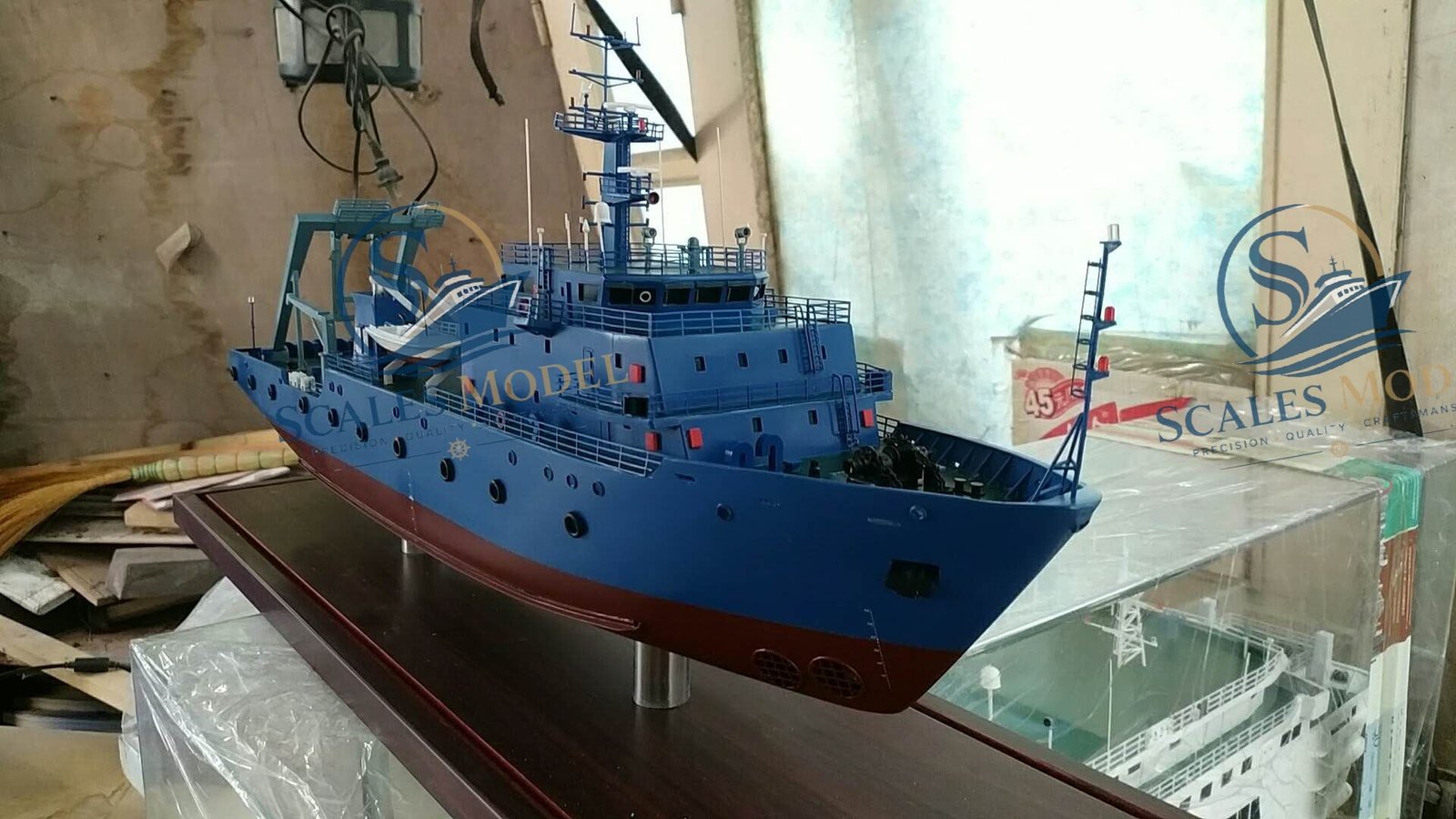
the hull form, superstructure, mast configuration, helicopter or working deck, major exterior systems and overall proportions.
This creates an immediate reference point for discussions between shipyards, naval organizations, maritime suppliers and potential partners.
Models for Naval Shipyards
Shipyards designing and constructing patrol vessels, support vessels or other naval craft often maintain extensive technical information.
However, an exhibition model does not necessarily need every available detail.
Instead, the model can be built around appropriate public or authorized references and focus on the recognizable external characteristics of the vessel.
This approach supports both presentation quality and responsible information handling.
Patrol Vessels and Government Ships
Naval-related model demand extends beyond major combat vessels.
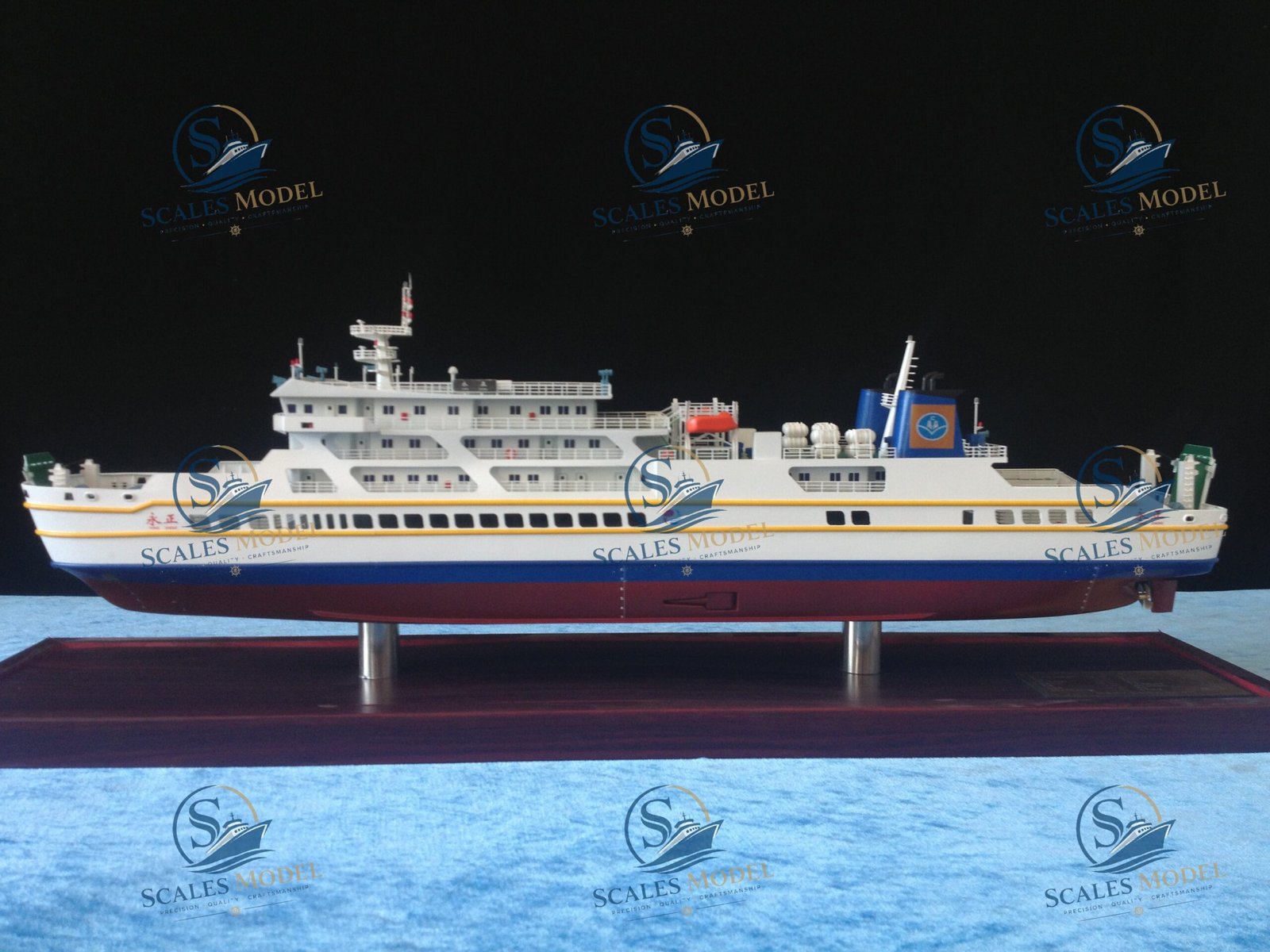
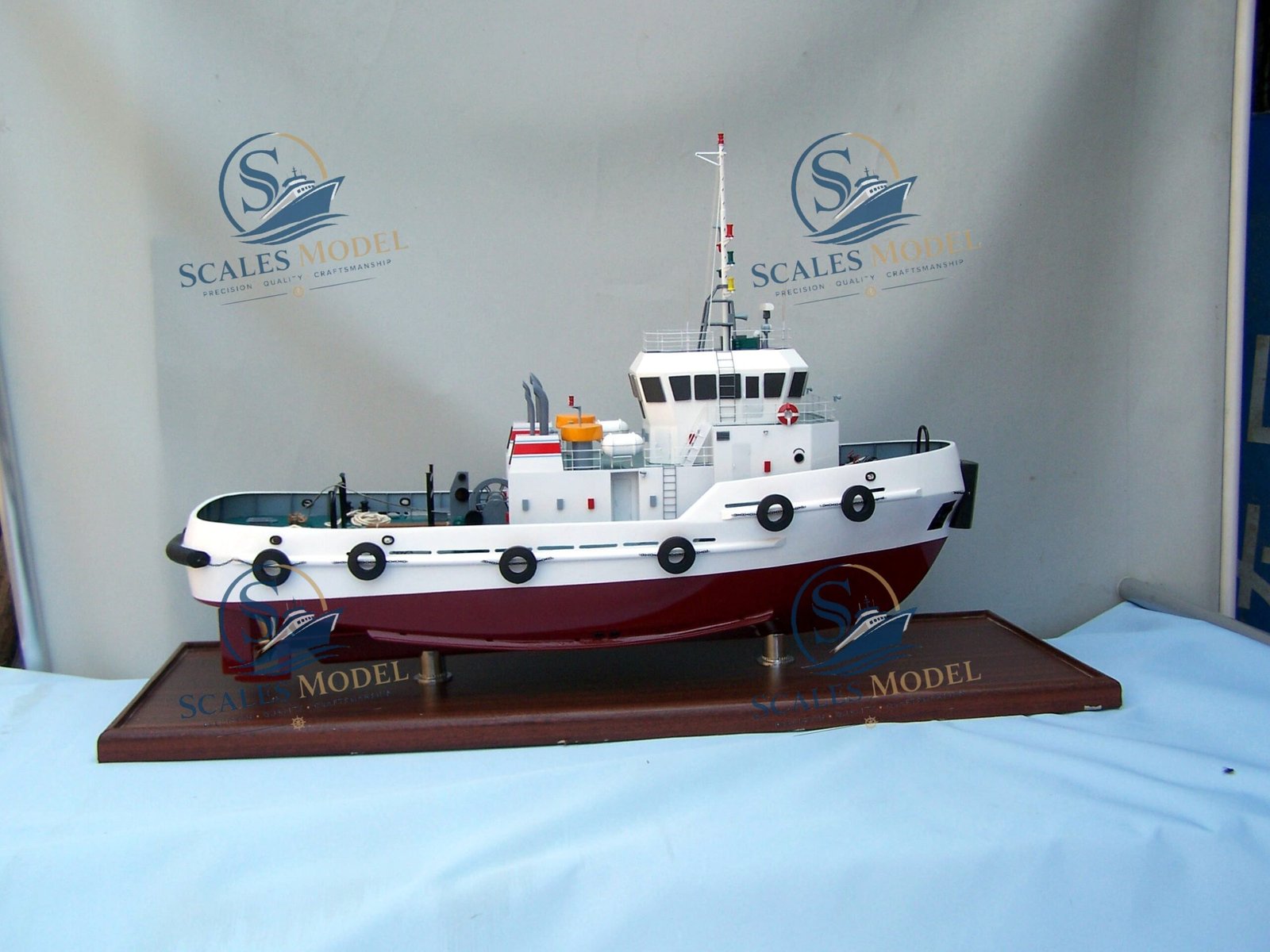
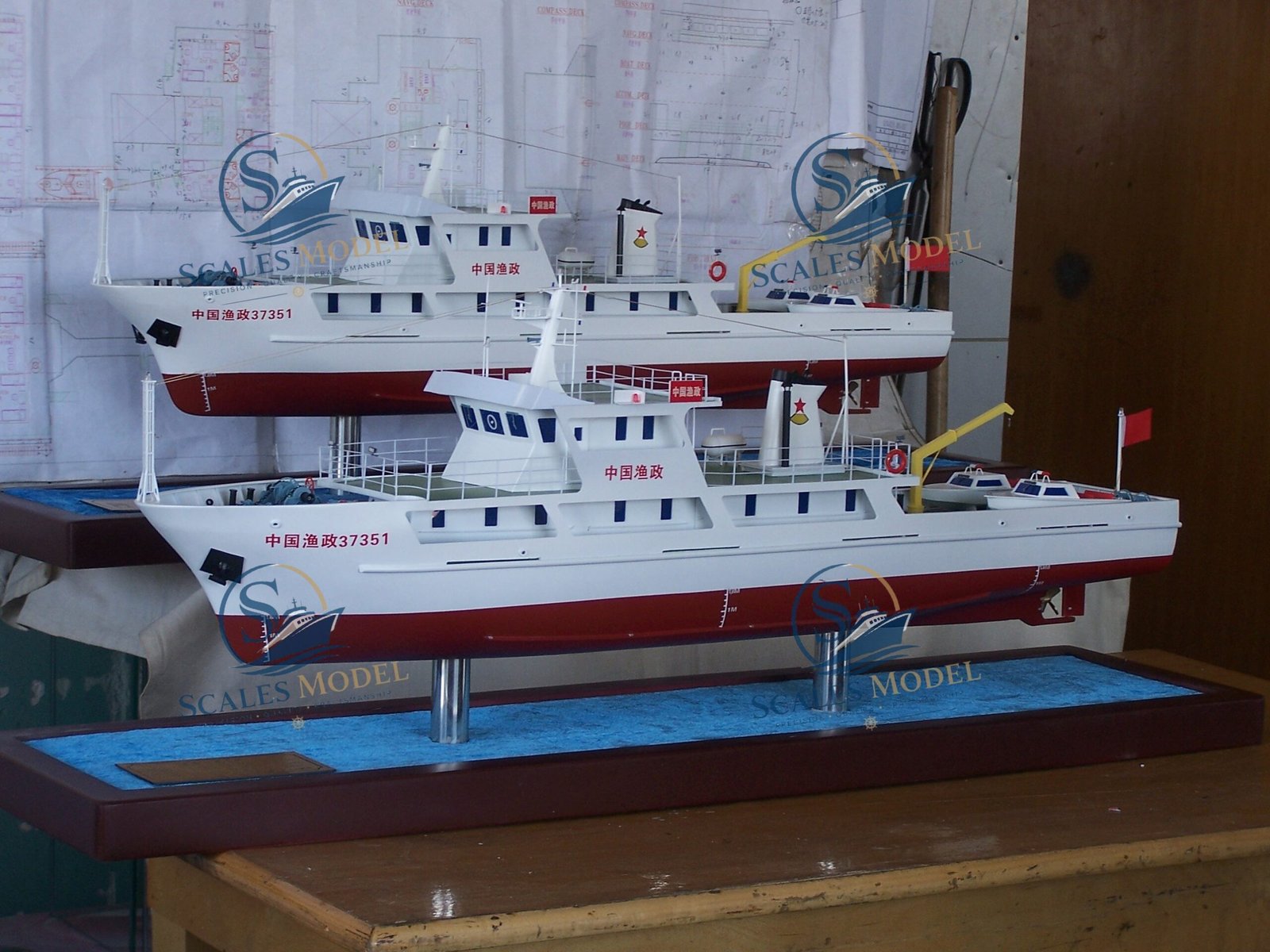
Patrol craft, port-security vessels, coast-guard-type vessels and government service ships can also become valuable display models.
Marine Ship Models’ Dongying Port Patrol Ship Model is one example of a detailed physical representation of a port patrol vessel.
Similarly, the Marine Ship Models 069 Landing Ship Model demonstrates the use of a physical model to represent the recognizable external configuration of a landing vessel.
Exhibition Models for Naval Programs
A naval ship model is especially effective when integrated into the exhibition stand rather than treated as a decorative object.
Scales Model’s Model Pameran can support this application.
A model can help introduce a vessel class, explain an export design, present a newbuilding program or communicate a shipyard’s broader capabilities.
The physical object naturally encourages closer inspection.
That gives the sales or project team time to engage with the visitor.
New Designs and Prototype Models
Some naval exhibitions focus heavily on future vessel concepts.
In these cases, the full-size platform may not yet exist.
Scales Model’s Model Prototipe and CAD & Desain 3D services are relevant where suitable design information is available.
A physical model can support a proposed-vessel presentation without claiming to represent confidential internal systems.
The focus remains on appropriate visible design information.
Models for Government and Institutional Display
Not every naval model is built specifically for an exhibition.
Some are intended for long-term corporate or institutional presentation.
A model may be placed in:
shipyard headquarters, naval-industry offices, meeting spaces, maritime institutions or heritage displays.
This overlaps with Scales Model’s Model Pajangan Perusahaan and Model-model Museum.
The intended environment can influence model scale, base design and final presentation.
Naval Model Collections
A shipyard that works on several vessel programs may build a coordinated physical fleet over time.
Different patrol vessels, support vessels or specialist ships can be displayed together.
The collection can communicate design evolution, project history and shipyard capability in a format that is instantly visible to visitors.
Marine Ship Models also maintains a broader Model Kapal Angkatan Laut resource category that includes examples and related model content.
Responsible Reference Management
For naval-related projects, reference management is particularly important.
A professional display model should be based on information that is appropriate for the intended audience.
The model does not need to reproduce sensitive internal arrangements to be visually convincing.
Hull proportions, superstructure geometry, external equipment and suitable public markings may already provide the recognizable project identity required for an exhibition or corporate display.
This distinction should remain clear throughout the project.
Production, Inspection and Delivery
Fine radar structures, masts, railings and external details also create a practical challenge during transport.
Scales Model therefore separates Pemeriksaan Kualitas, Kemasan and Pengiriman ke Seluruh Dunia within the manufacturing structure.
This is particularly important when a model must arrive at an international exhibition on a fixed schedule.
Make the Vessel Understandable at a Glance
At a specialized naval exhibition, every visitor is surrounded by technical information.
A physical vessel model cuts through that complexity.
It gives the project a recognizable form and the sales team a natural point around which to begin the discussion.
For naval shipyards, government-vessel builders and maritime organizations preparing an exhibition or presentation model, Scales Model can review suitable authorized project references and discuss an appropriate physical-model solution.
 Indonesian
  English
  Chinese
  Spanish
  German
  French
  Korean
  Japanese