Custom Museum Ship Models
Scales Model creates detailed custom ship models for maritime museums, heritage institutions, cultural exhibitions, universities and public collections. Historic vessels, naval subjects, commercial ships and modern marine technology can be translated from drawings, photographs, archives and digital reference material into physical museum display models.
Bring Maritime History & Technology Into Physical Form
A museum ship model can help visitors understand a vessel as a complete three-dimensional object rather than only through drawings, photographs or text panels.
Hull form, deck layout, superstructure, rigging, cargo arrangement, marine equipment, markings and other visible details can communicate how the vessel was built, operated and used within its historical period.
Museum projects can represent vessels that still exist, ships preserved only through archival references, or modern vessel types that help explain today's shipping and marine engineering industries.
Museum Models for Different Exhibition Goals
The same ship model can serve historical, educational, technical and interpretive purposes.
Permanent Exhibitions
Detailed vessel models for long-term maritime museum galleries and permanent collections.
Temporary Exhibitions
Ship models supporting special exhibitions, anniversaries and rotating cultural programs.
Maritime Heritage
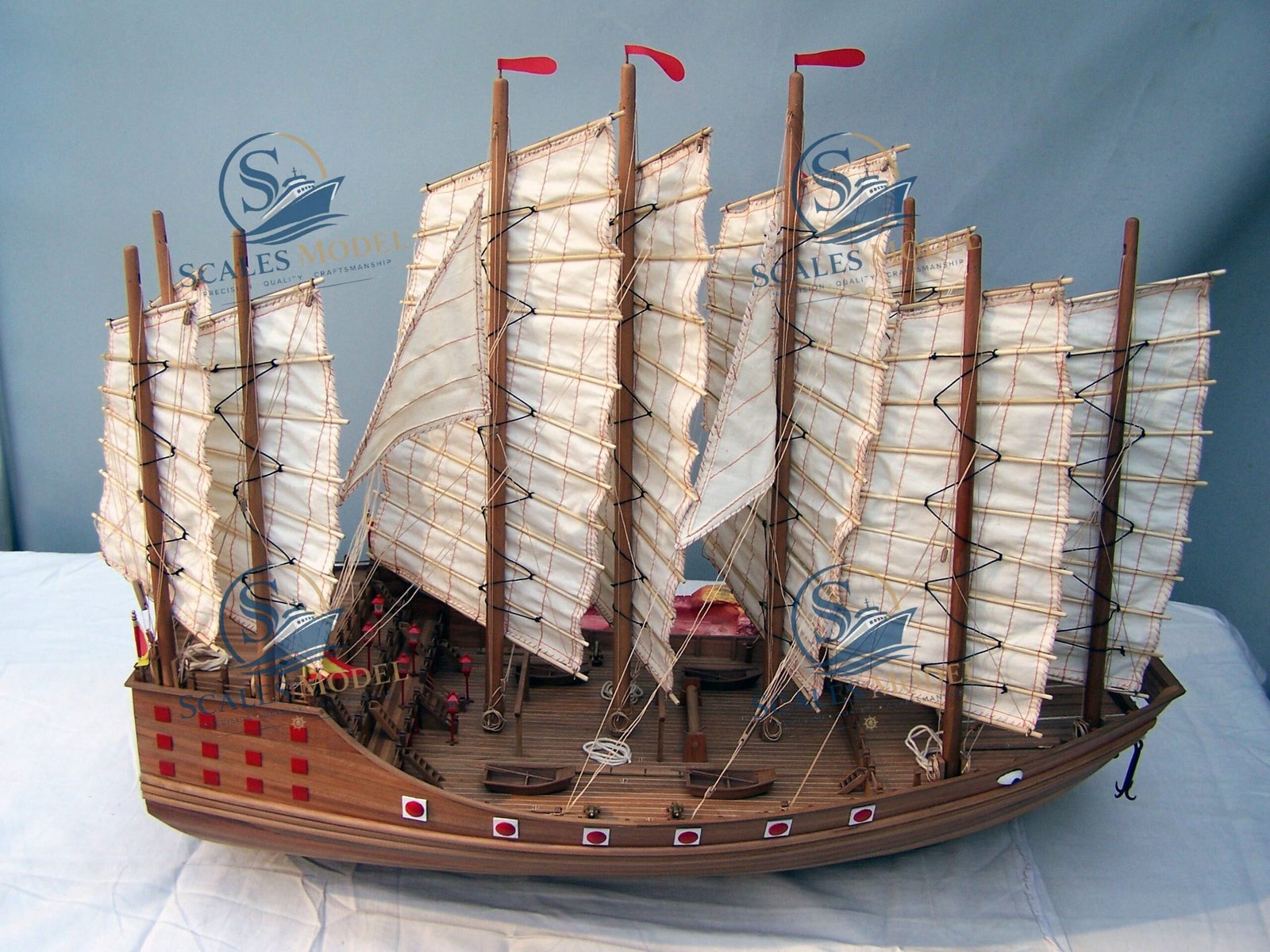
Reconstruct historic vessels to preserve maritime stories that may no longer survive physically.
Naval History
Display naval vessel development, ship design and important maritime military periods.
Shipping History
Explain the evolution from sailing ships to modern bulk, container and specialized vessels.
Marine Technology
Use offshore and technical vessel models to interpret marine engineering and modern operations.
Educational Displays
Support public education, guided tours, lectures and student learning.
Traveling Exhibitions
Develop physical vessel displays for temporary or touring cultural projects.
Collection Development
Build coordinated model series around a common historical or technical theme.
Historic & Modern Subjects for Museum Collections
A maritime museum collection can connect centuries of shipbuilding, exploration, trade, naval development and marine engineering.
歴史的な船の模型
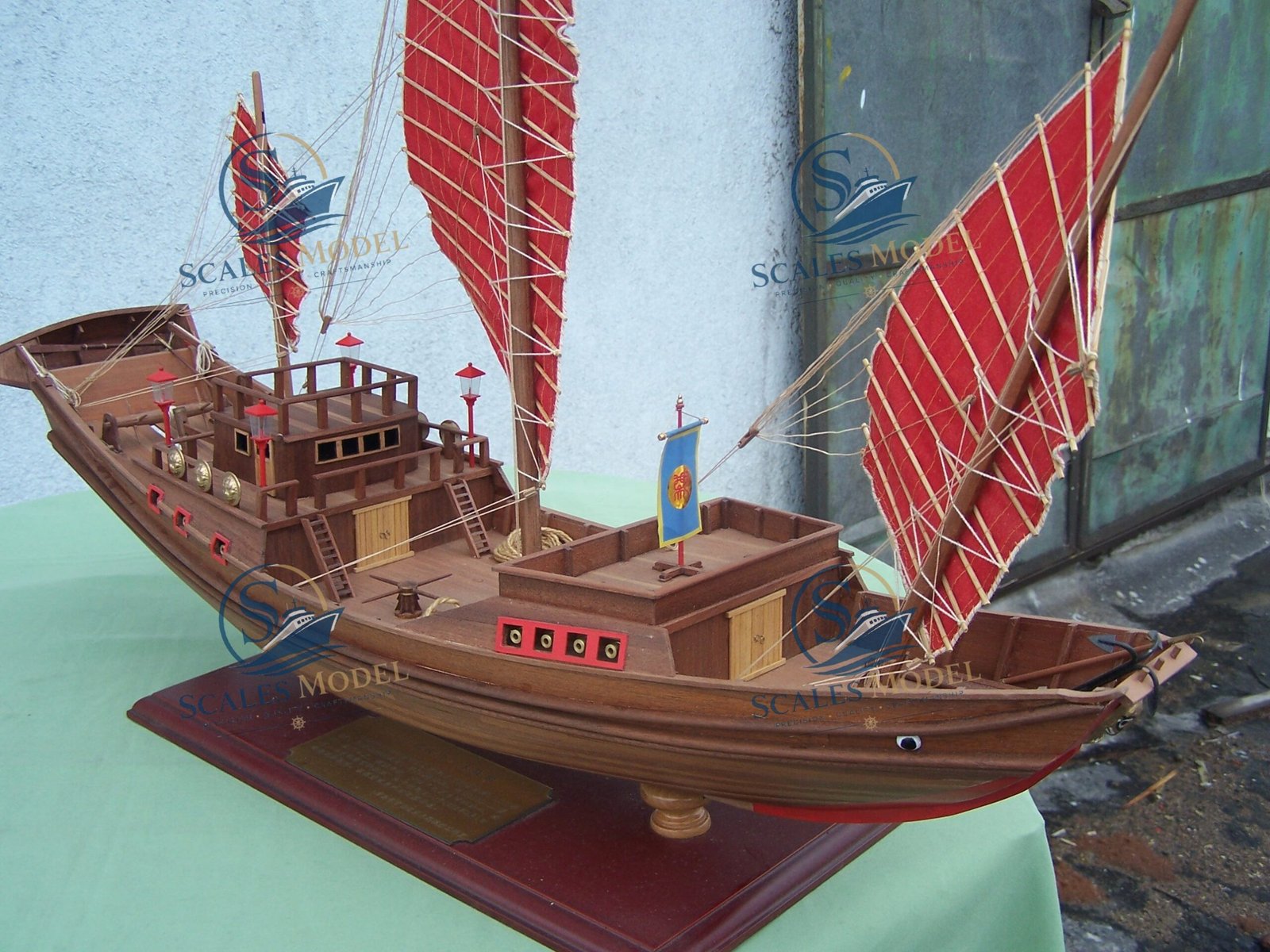
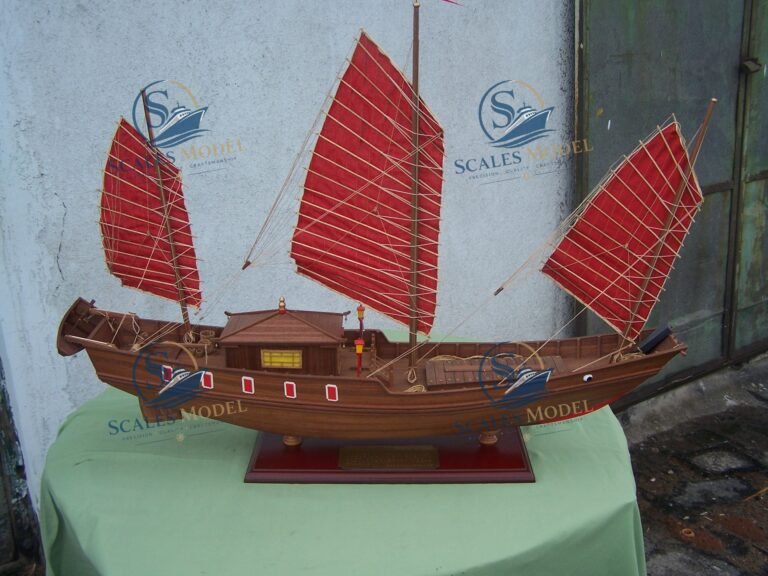
Traditional sailing vessels, exploration ships and historically significant marine subjects.

海軍艦艇の模型
Military and naval vessel subjects can support exhibitions about naval architecture and maritime history.
商用船の模型
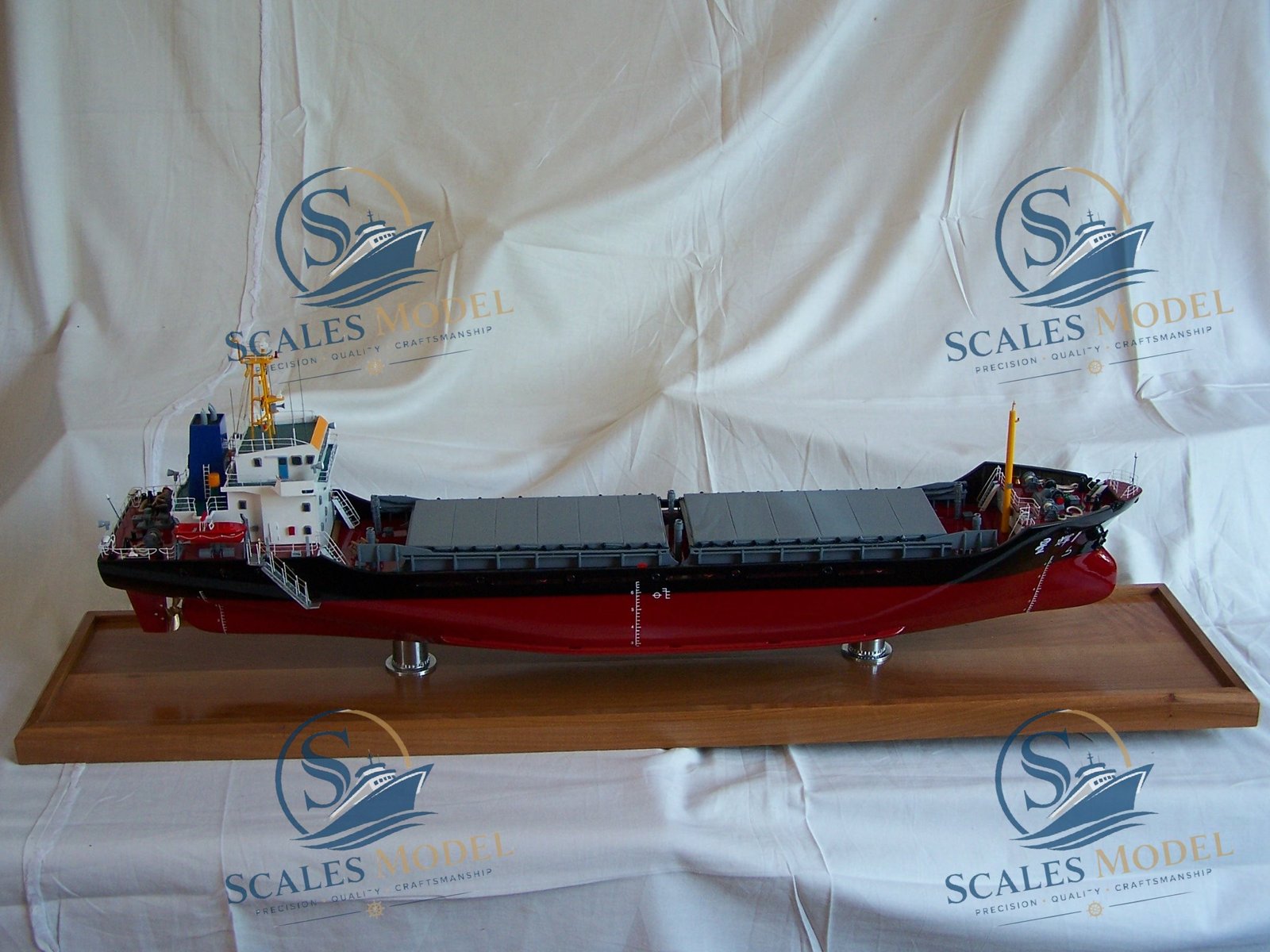
Cargo and commercial vessels can explain global trade, ports and modern shipping development.
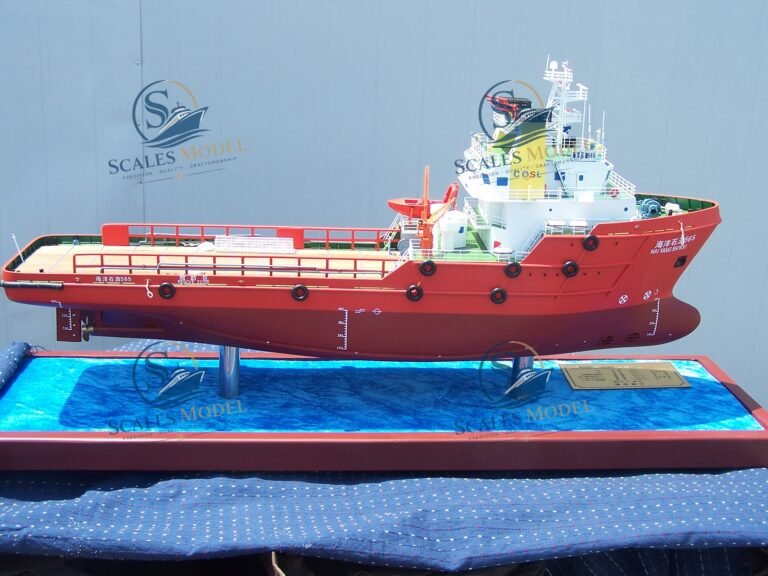
Offshore & Engineering Models
Technical vessels help communicate modern offshore engineering and marine technology.
What Can Be Reproduced in a Museum Ship Model?
Hull Geometry
Bow, stern, beam and vessel proportions establish the overall historical or technical form.
Deck Layout
Deckhouses, cargo areas and working spaces help explain how the vessel operated.
Superstructure
Bridge, accommodation and deck structures reveal changes in vessel design over time.
Masts & Rigging
Historic ship models can reproduce masts, spars, sails and rigging systems.
Deck Equipment
Cranes, winches, boats and machinery help visitors understand vessel function.
Piping & Technology
Modern technical vessels may include piping, platforms and complex engineering systems.
Period Colors
Paint schemes, flags and markings can help establish historical context.
ディスプレイ台座
A professional base supports museum integration and presentation.
Exhibit Plaque
Vessel name, date, scale and project information can accompany the model.
Museum Models Can Begin With Incomplete Historical Records
Historic vessel projects may not have the complete CAD or engineering packages available for modern ships. Multiple source types can therefore be reviewed together.
Original Plans
Existing vessel drawings can establish hull geometry and major dimensions.
Archival Photography
Photographs can help identify actual equipment, colors and configuration.
Museum Research
Curatorial notes and historical records can clarify period-specific interpretation.
Illustrations & Records
Written and visual archival material can supplement incomplete plans.

Build a Museum Model From the Information You Have
図面に基づいて製作する
Use vessel plans, GA drawings, profiles and deck layouts as dimensional model references.
図面から作成 →写真から作成
Photographs can help reconstruct appearance, equipment, colors and period-specific details.
写真から作成 →CADおよび3D設計
Modern digital references can support geometry development and reconstruction of complex museum subjects.
CAD・3D設計 →Customize the Model for the Exhibition Environment
モデルの縮尺
Select scale based on original vessel size and available gallery space.
Historic Period
Define which year or configuration the model should represent.
Detail Level
Prioritize visual information relevant to the museum story.
Hull & Deck Colors
Match suitable historical or vessel-specific visual references.
Flags & Markings
Add appropriate identification for the represented period.
ディスプレイ台座
Coordinate model presentation with the museum exhibition design.
案内板
Include vessel name, date, scale or project information.
Protective Case
Consider a protected display environment for delicate models.
A Ship Does Not Need to Survive for Its Story to Be Displayed
Some historically important vessels exist today only through drawings, documents, paintings, photographs and historical research.
A museum model can bring those separate sources together into a physical representation that visitors can view from multiple angles and understand as a complete vessel.
From Curatorial Brief to Finished Museum Model
Exhibit Brief
Define subject, period and display goals.
Research Review
Review drawings, photos and archives.
Scale Planning
Determine size and visible detail level.
モデルの制作
Build hull, structures and model components.
Finish & Review
Add colors, markings and final presentation.
Pack & Deliver
Protect and prepare the museum model for delivery.
Choosing a Scale for Museum Display
Scale should be selected around vessel dimensions, viewing distance, required detail and gallery space.
Maritime History & Technology in Scale
Selected images from Scales Model and Marine Ship Models illustrating historical, naval, commercial and technical display possibilities.


Museum Models & Maritime Museums Have Different Roles
Museum Models focuses on the physical service: what kind of ship model can be created, what references can be used and how the finished exhibit can be customized.
Maritime Museums focuses on the institution: how museums, heritage centers and cultural organizations can use physical vessel models within exhibitions and education.
Museums Can Also Explain Modern Shipping
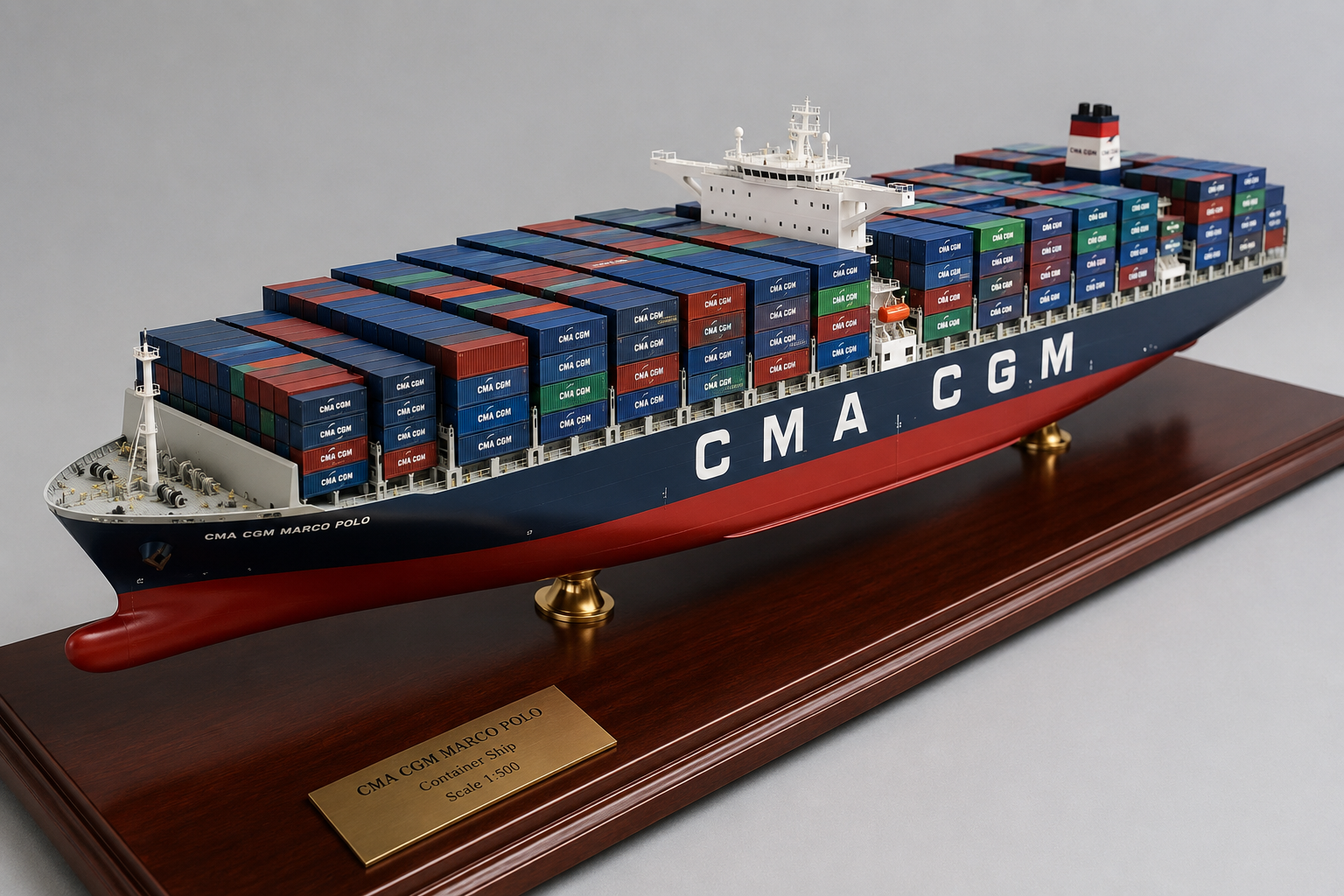
Maritime history did not end with the Age of Sail. Today's ship design, containerization, offshore energy, fisheries and global logistics are also important chapters of maritime development.
A museum collection can therefore place historic sailing vessels beside modern container ships, commercial vessels, naval platforms and offshore ships to show how maritime technology has evolved.
Museum-Quality Ship Model Inspiration
Marine Ship Models also publishes museum-focused information covering historic sailing vessels, naval subjects, modern ships and professional maritime exhibition models.
These additional references can be useful when developing a broader maritime exhibition concept or identifying different categories of vessel models for a museum collection.
Read Museum-Quality Ship Models Resource →
Protect Fine Details After Installation
Museum ship models may include delicate rigging, railings, antennas, masts, cranes and other fine-scale components.
Display planning should therefore consider protection from dust, unnecessary handling, direct sunlight and accidental contact.
From Final Inspection to the Museum Gallery
Detailed museum models require protection not only during public display but also during transportation to the final location.
Final Inspection
Review the completed model, finish and presentation.
Protective Packaging
Protect rigging, masts, railings and other delicate components.
世界中への配送
Prepare the completed project for final museum installation.
Museum, Heritage & Ship Model Resources
Museum Ship Models – Frequently Asked Questions
Can you create custom ship models for museums?
Can you recreate a historical vessel that no longer exists?
Can museum models be built from old photographs?
Can modern ships also be made as museum models?
Can you make several ship models as one museum collection?
Can the museum provide its own historical research?
Can the finished model include an information plaque?
What scale is best for a museum ship model?
How should museum ship models be protected during display?
What should I send to request a museum model quotation?
Have a Maritime Story You Want to Preserve in Scale?
Send Scales Model your vessel drawings, archival photographs, historical research, CAD files or other available project references. The material can be reviewed to determine an appropriate approach for your museum-quality ship model.
Send Museum Project Details & Request a Quote Japanese
  English
  Chinese
  Spanish
  German
  French
  Indonesian
  Korean