
Custom Ship Model Packaging & Protection
Detailed ship models can contain delicate railings, masts, antennas, cranes, piping, rigging, lifeboats and other fine components. Protective packaging should therefore be planned around the individual model, its dimensions, display base, protruding structures and final delivery requirements.
Packaging Begins With the Model — Not the Box
The correct packaging approach depends on what has actually been built.
A compact commercial vessel model, a large FPSO, a historic sailing ship and a naval model can all present different packaging challenges.
Tall masts, exposed antennas, cranes, rigging, projecting bows, acrylic covers and heavy display bases should be considered before the finished model is placed into protective transport packaging.

What Does Packaging Need to Protect Against?
Protection should address both external handling forces and movement of the model inside the package.
External Impact
A rigid outer package helps protect the model from contact with other objects during normal handling and transport.
Internal Movement
The model should not be allowed to slide or shift freely inside its transport package.
Vertical Shock
Cushioning can help separate the model assembly from direct contact with the outer structure.
Side Pressure
Thin masts, railings and antennas should not become structural contact points inside the package.
Abrasion
Painted surfaces and clear components should be separated from rough or moving packaging surfaces.
Unpacking Damage
Packaging should also consider how the customer will safely access and remove the model.
Think in Layers: Model → Restraint → Cushioning → Outer Protection
Model & Display Base
The packaging concept starts with the real finished model dimensions and support points.
Secure Restraint
Support should act through suitable strong points such as the presentation base, rather than through fine model details.
Cushioning Space
Protective material can help separate the model assembly from direct impact on the outer package.
Rigid Outer Packaging
Large, delicate or custom models may benefit from a rigid crate designed around the completed project.
Handling Information
Orientation and fragile-handling information can help communicate how the package should be treated after dispatch.
Packaging Should Match the Size & Complexity of the Model
Protective Box System
Compact models may be suitable for layered box-based protection when their dimensions, weight and fragile components allow it.
Internal Support Frame
A rigid internal support structure can help restrict movement and keep pressure away from delicate details.
Custom Wooden Crate
Large custom ship models may require a model-specific rigid crate with internal protection and support.
Base + Case Protection
Where a model includes an acrylic display case, the model, base and cover may each require protection.
High-Clearance Protection
Masts, sails and rigging require generous clearance so packaging does not become a contact point.
Multi-Point Protection
FPSO and offshore models can contain piping, cranes and tall structures that require protection in several directions.
The Smallest Parts Often Need the Most Packaging Clearance
マスト
Tall structures can be vulnerable to side loading and should not support packaging material directly.
手すり
Fine railings require clearance from straps, foam, wrap and rigid package surfaces.
クレーン
Long crane booms can create vulnerable projecting points on technical vessel models.
アンテナ
Small antennas and radar structures can be difficult to repair after accidental bending.
配管
Offshore models may contain dense exposed piping networks across multiple deck levels.
リギング
Historic ship rigging should remain free from direct pressure during packing.
Acrylic Covers
Clear display covers require protection from scratches, stress and direct impact.
塗装・マーキング
Painted surfaces and graphics should be separated from abrasive moving material.
ディスプレイ台座
The solid base can provide an appropriate structural point for model restraint.
Packaging Changes With the Vessel Type
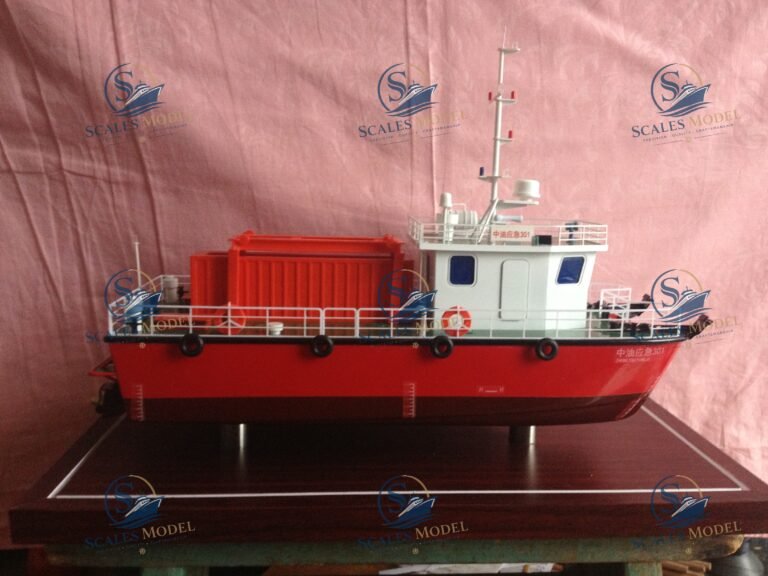
Protect Piping, Cranes & Topside Structures
Offshore models can concentrate many delicate parts across several levels and therefore benefit from generous clearance.
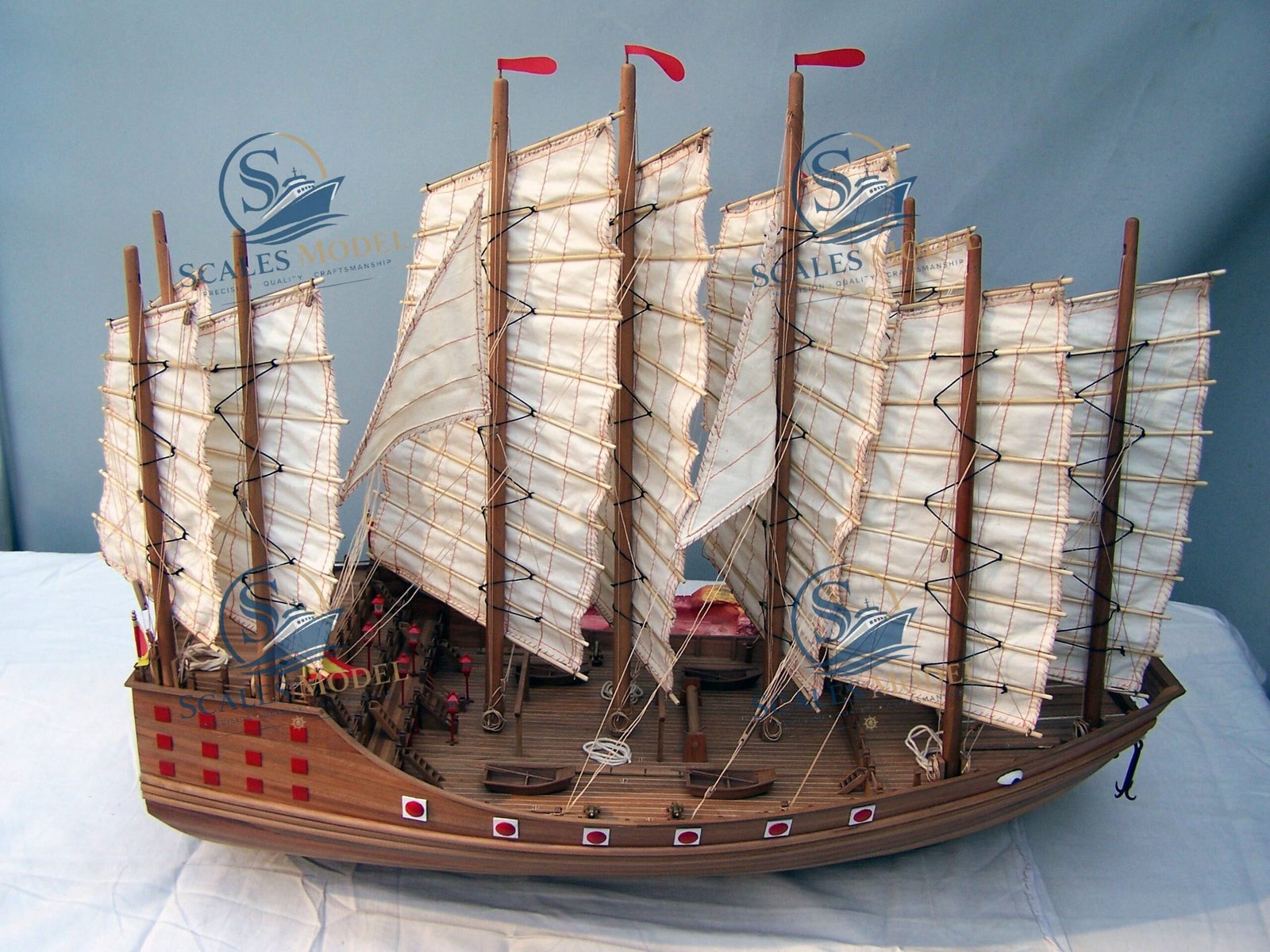
Protect Masts, Sails & Rigging
Historical ship models can contain tall masts and extensive rigging that should remain clear of package contact.
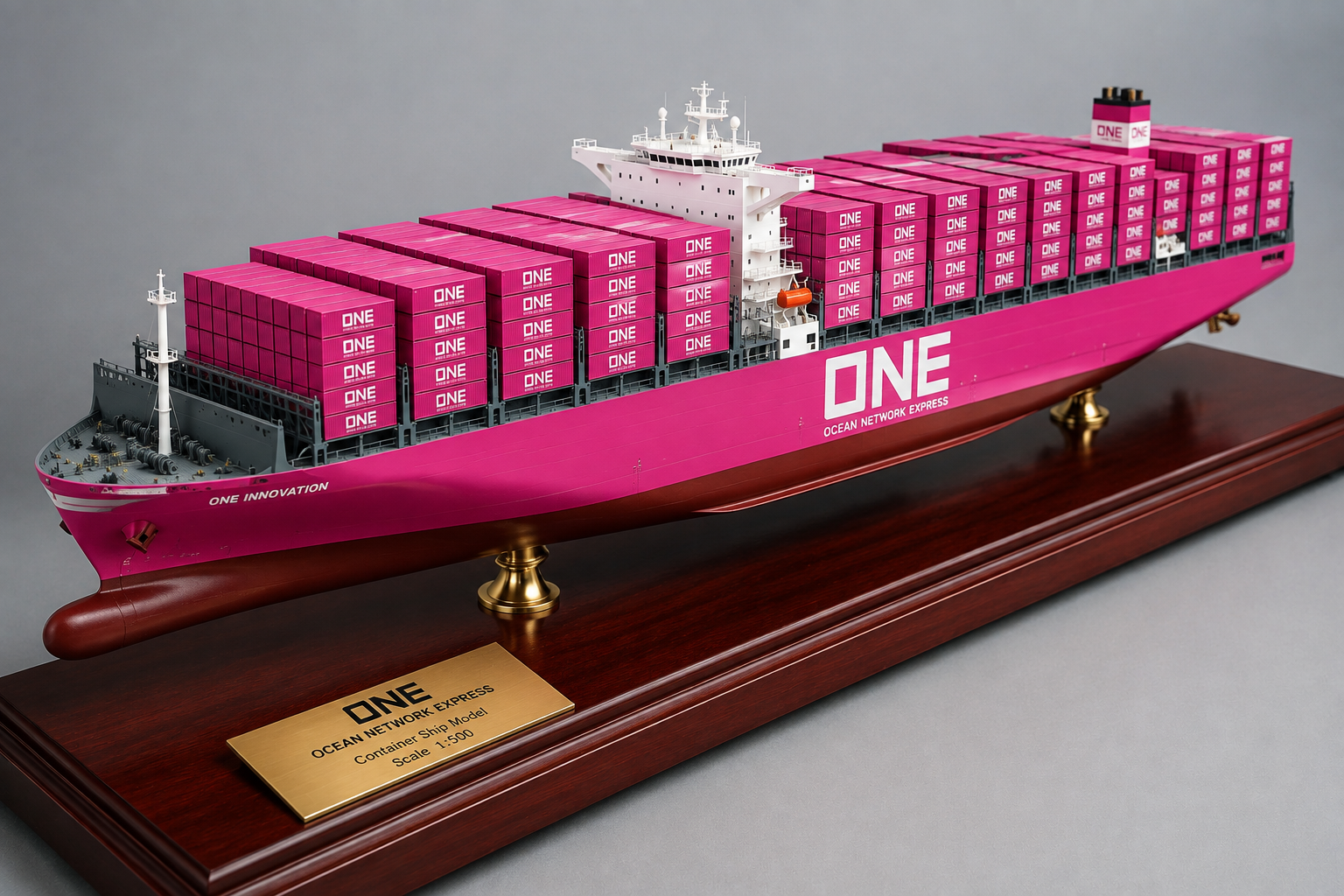
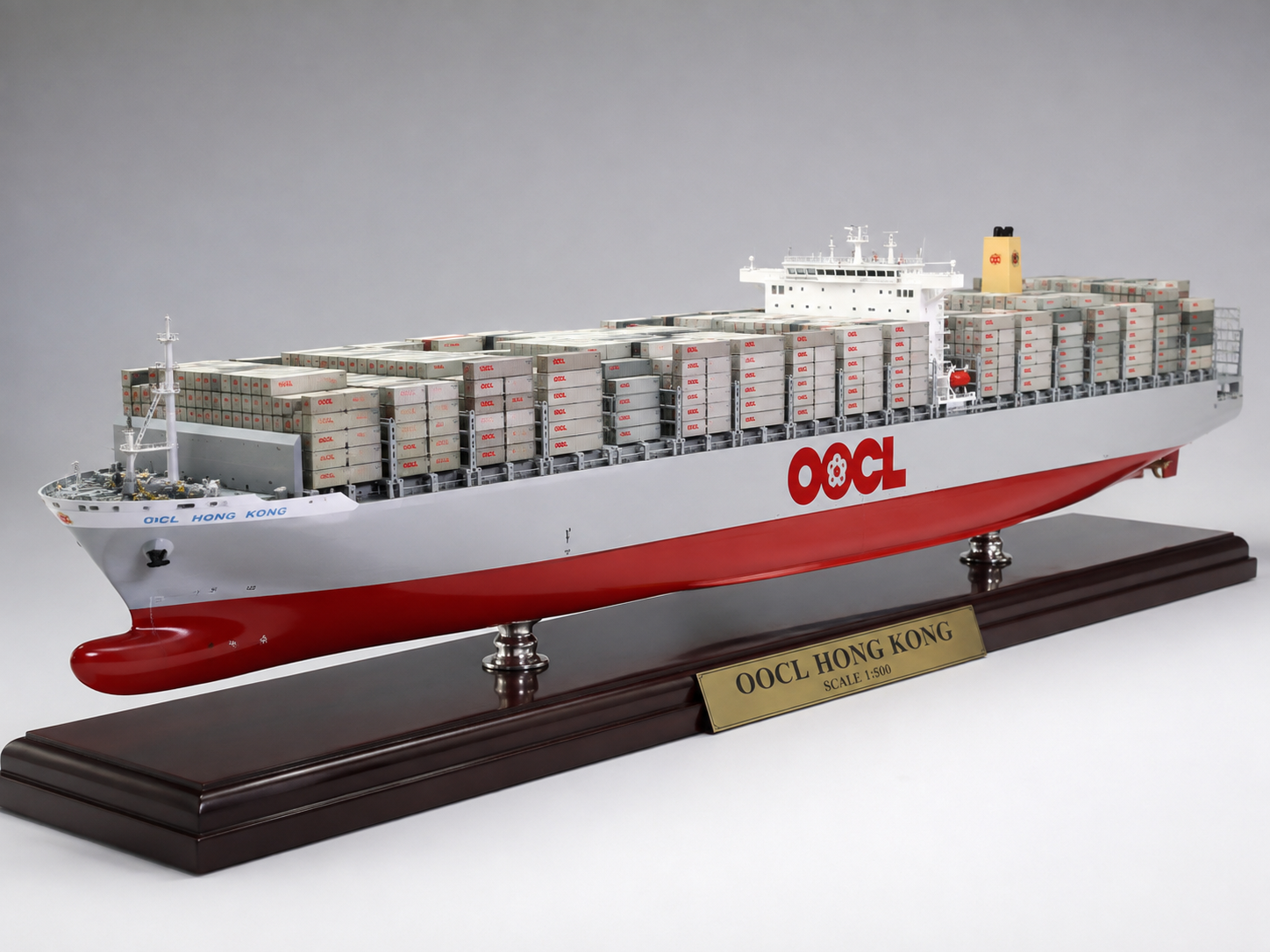
Protect Long Hulls & Fine Deck Equipment
Long commercial models require stable support while protecting bridge structures, cranes, masts and railings.

Protect Masts, Deck Detail & Fine Railings
Naval models may contain many fine exterior components within a compact overall footprint.
Packaging Should Follow Final Model Inspection
Packing a finished model should come after the structure, detailing, finish and presentation have been reviewed.
Check Fine Components
Review masts, antennas, cranes, railings, boats and other small parts.
Check the Display Base
Confirm the model and presentation base are ready for support and restraint.
Identify Vulnerable Zones
Note areas that require extra clearance inside the packaging.
Confirm Overall Dimensions
Final dimensions help determine suitable outer package size.
From Final Inspection to Shipment Preparation
Inspect Model
Confirm finished structure and detail.
Assess Risks
Identify fragile and protruding components.
Plan Restraint
Determine safe structural support points.
Add Cushioning
Separate the model from outer impact.
Secure Outer Package
Complete rigid external protection.
Prepare Delivery
Move to the shipping stage.
Safe Delivery Also Depends on Careful Unpacking
The customer should inspect the outer package before the model is removed and unpack the project in a clear, controlled area.
Inspect the Outer Package
Look for visible external damage before opening the transport package.
Clear the Unpacking Area
Prepare enough space to safely remove the model and its base.
Remove Protection Gradually
Do not pull packing materials across masts, railings or rigging.
Lift From Strong Points
Support the model through its base rather than delicate ship structures.
Delivery & Packaging Reference From Marine Ship Models
Marine Ship Models publishes a dedicated Delivery & Packaging resource showing how different model sizes and types can require different levels of protection.
Its published examples describe combinations of rigid wooden structures, internal support, cushioning and model-specific crates for delicate custom models.
This is a useful supplementary reference when considering why a professional model requires more than a simple cardboard shipping box.
View Marine Ship Models Delivery & Packaging →Packaging Protects the Model. Shipping Moves the Package.
These are connected stages, but they should not compete for the same search intent.
The Packaging page should explain physical protection, restraint, cushioning, crates and safe unpacking.
Shipping Worldwide should explain how finished packaged models proceed to international delivery.
Packaging Is One Stage of the Complete Manufacturing System
Packaging, Manufacturing & Model Resources
Ship Model Packaging – Frequently Asked Questions
How are custom ship models protected for transportation?
Do large ship models need a wooden crate?
Why should the model be secured inside the crate?
How are masts, railings and antennas protected?
How are historic sailing ship models packed?
How are FPSO and offshore models protected?
Is packaging the same as international shipping?
Should the model be inspected before packaging?
What should I check when a ship model arrives?
Can packaging be planned for worldwide delivery?
A Detailed Ship Model Deserves Packaging Planned Around the Model
From commercial vessels and historic sailing ships to naval models and complex FPSO projects, each model can present different transport risks. Packaging planning connects final quality inspection with safe preparation for worldwide delivery.
Discuss Your Custom Ship Model Japanese
  English
  Chinese
  Spanish
  German
  French
  Indonesian
  Korean