Ship Model from GA Drawings: A Practical Guide to Custom Scale Models
Want to turn a real ship or yacht into a detailed scale model? One of the best ways to begin is by providing General Arrangement (GA) drawings. These technical drawings help a model manufacturer understand the vessel's layout, main dimensions, and exterior structure before developing a miniature version.
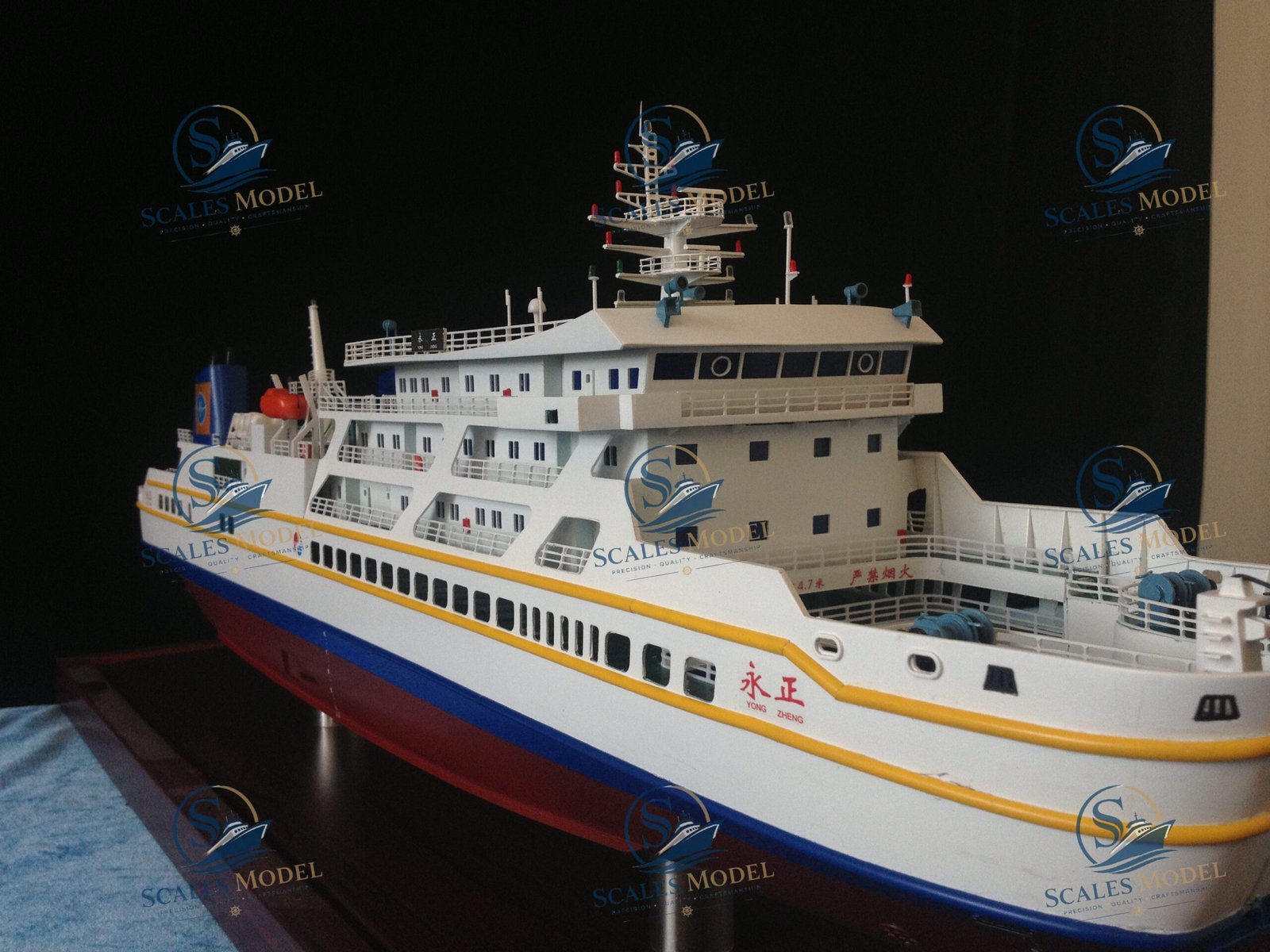
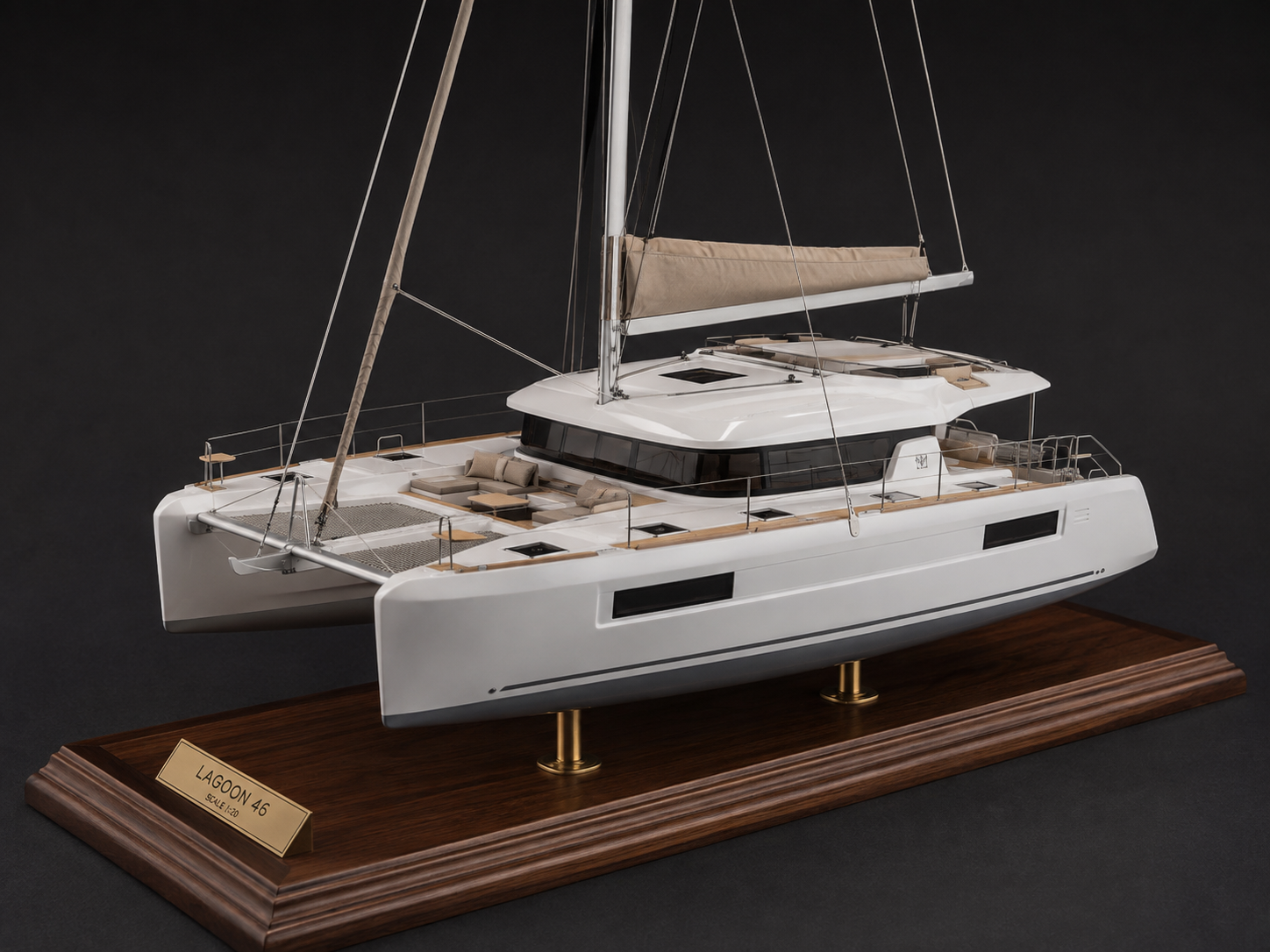
Whether you need a yacht model for a private collection, a ship model for an office, or a customized vessel model as a corporate gift, the information you provide at the beginning can influence the design process, final appearance, production time, and cost.
This guide explains which documents to prepare, how to select the right model size, what happens during production, and how to request a quotation for a custom scale ship model.
1. What Is a GA Drawing, and Why Is It Important?
GA means General Arrangement. A GA drawing shows the overall arrangement of a vessel, including major decks, the bridge, accommodation areas, cargo spaces, and other principal structures. The exact information depends on the type of vessel and the drawing supplied.
For a custom scale ship model, the GA drawing helps establish the positions and proportions of the main structures. It is especially useful for identifying the arrangement of the decks, superstructure, funnels, and other visible features.
A GA drawing is an important starting point, but it may not provide every detail required for a complete exterior model. Additional hull plans, elevations, deck drawings, and photographs may be needed to clarify the vessel's shape and smaller features.
2. What Files and Photos Should You Provide?
The more reliable the reference information, the easier it is to establish the vessel's proportions and identify its distinctive features. Before contacting a manufacturer, collect the materials that are available to you.
Engineering Drawings
- GA drawings: The overall arrangement and main structures.
- Hull plans: Hull shape, bow and stern contours, and cross-sections.
- Deck plans: Deck layouts and the positions of visible equipment.
- Elevations: Heights and exterior proportions.
- 3D CAD files: Potentially useful additional references if the geometry is reliable.
船舶の写真
If available, provide clear photographs of the vessel from the bow, stern, port side, starboard side, and above. Close-up images of the bridge, funnels, lifeboats, deck machinery, logos, and distinctive markings can help clarify details that are difficult to identify in the drawings.
For a yacht model, photographs of the hull profile, windows, deck arrangement, exterior colors, and distinctive design features are particularly useful.
3. Can You Order a Custom Ship Model Without GA Drawings?
Yes, a custom model may still be possible when complete GA drawings are unavailable. A manufacturer can assess whether the vessel can be reconstructed from photographs and other reliable references.
For the best results, provide photographs from as many different angles as possible. Images showing both sides, the bow, stern, deck arrangement, and superstructure are more useful than a single exterior photograph.
Photo-based projects may require additional digital design work because the missing dimensions and hidden structures must be interpreted or estimated. This can affect the quotation and production schedule.
Before production begins, ask the manufacturer to identify any important information gaps and explain which details can be reproduced with confidence.
4. How Do You Choose the Right Model Scale?
Model scale determines the relationship between the actual vessel and its miniature version. A 1:100 model represents the original at one hundredth of its size in each corresponding linear dimension.
Approximate model length = Actual vessel length ÷ Scale denominator
| Actual Vessel Length | スケール | モデルの概算長さ |
|---|---|---|
| 30 m | 1:50 | 60 cm |
| 34 m | 1:100 | 34 cm |
| 100 m | 1:100 | 100 cm |
| 200 m | 1:200 | 100 cm |
These figures are illustrative calculations based on the stated vessel lengths. The final model dimensions should be confirmed using the actual overall length and agreed design references.
If you want a model for a desk, a compact display area, or a personal gift, a smaller finished length may be appropriate. For a showroom, reception area, or museum exhibit, a larger model may offer more room for visible details.
When you are unsure which scale to choose, provide the vessel's actual length and the maximum display space available. The manufacturer can help assess a suitable model size.
5. What Determines the Price of a Custom Scale Ship Model?
The price of a custom model depends on the specific vessel and the work needed to reproduce it. Two vessels with similar overall lengths can require different amounts of design and manufacturing work because their structures, equipment, and details may differ.
Main Pricing Factors
- Design availability: Whether complete drawings or usable 3D files are available.
- Model dimensions: The finished length, width, and overall height.
- Structural complexity: The number and complexity of decks, fittings, and equipment.
- Required detail: The level of exterior reproduction and finishing.
- Display accessories: Base, engraved nameplate, and acrylic display case.
- Transport arrangements: Protective packaging, shipping method, and destination.
- Order quantity: Whether design work can be shared across several models of the same vessel.
A useful quotation should clearly identify the model specifications, included accessories, production lead time, and shipping scope. This makes it easier to compare proposals from different suppliers.
6. What Happens After You Submit Your Drawings?
Although each project is different, a typical custom scale model order follows several main stages.
Stage 1: Project Assessment
The manufacturer reviews the vessel information, available drawings, photographs, target dimensions, and intended use. Any missing references or uncertain details can be identified at this stage.
Stage 2: Digital Design
The vessel's geometry is developed or adapted using the available technical references. The design team establishes the main proportions and prepares the structures needed for manufacturing.
Stage 3: Design Review
Where the workflow allows, drawings or progress views can be shared to confirm important details, such as the hull shape, superstructure, funnel markings, vessel name, and color scheme.
Stage 4: Fabrication and Assembly
Suitable components are fabricated, assembled, and prepared for finishing. The manufacturing process may combine 3D printing, ABS, wood, and other materials according to the model's design.
Stage 5: Painting and Final Inspection
The model receives its finishing work, including painting, markings, and installation of smaller details. The finished product is checked before being prepared for delivery.
7. How Long Does Custom Ship Model Production Take?
The production schedule depends on the model's size, complexity, available design information, and required finishing. Projects with complete and usable engineering drawings may follow a different schedule from those that need extensive reconstruction from photographs.
As an initial planning guide, a custom display model may require several weeks to a few months. The actual lead time should be confirmed after the manufacturer has reviewed the project scope.
If the model is needed for a company anniversary, exhibition, retirement gift, or other fixed event, mention the required delivery date when requesting the quotation. International shipping time should be considered separately from production.
8. What Should Be Included in Your Quotation?
A clear quotation should state exactly what you are purchasing. Before confirming the order, review the following items:
- Vessel name, model scale, and finished dimensions.
- Expected level of exterior detail and agreed design references.
- Display base and engraved nameplate, if required.
- Acrylic display case, including its approximate dimensions.
- Protective transport packaging.
- Production schedule and progress update arrangements.
- Shipping cost, delivery terms, and any applicable additional charges.
If you need the model delivered to another country, specify the destination and postal code so that the shipping options can be evaluated. Confirm whether the quotation includes freight, customs clearance, duties, or other import-related charges.
9. Custom Ship Models for Corporate Gifts and Displays
Custom scale models can be used in corporate offices, reception areas, yacht showrooms, maritime exhibitions, and private collections. They can also commemorate a vessel launch, a company milestone, a retirement, or a long-term business relationship.
For a corporate gift, the vessel's identity and presentation are particularly important. A suitable model scale, clean finish, engraved nameplate, and protective display case can help create a more complete presentation.
If you are planning a batch order, provide the expected quantity and delivery schedule early. The manufacturer can then evaluate the design requirements and production arrangements for the full order.
10. Custom Ship Model Quotation Checklist
Prepare These Details Before Contacting a Manufacturer
- Vessel name and type.
- Actual vessel length or principal dimensions.
- GA drawings or other available engineering references.
- Clear vessel photographs from multiple angles.
- Preferred scale or approximate model length.
- Required color scheme, logos, and vessel markings.
- Display base, nameplate, and acrylic case requirements.
- Target budget and desired delivery date.
- Destination country and postal code.
You do not need to have every item ready before starting a discussion. Send the information you already have, and ask the manufacturer to identify what else is needed for an accurate quotation.
Conclusion: Start with Your Vessel Information
Creating a custom scale ship model from GA drawings starts with understanding the vessel, selecting a suitable scale, and establishing a reliable design reference. Clear photographs, additional technical drawings, and well-defined project requirements help the manufacturer assess the work and plan the production process.
Even if complete GA drawings are unavailable, a project may still be feasible using photographs and other reference materials. The key is to evaluate the available information before confirming the model specifications, price, and delivery schedule.
Get a Quote for Your Custom Scale Ship Model
Planning a yacht model, commercial vessel model, or customized display piece? Share your vessel name, available drawings or photographs, preferred model length, and intended use.
ScalesModel can use these details to begin assessing your custom model requirements and the information needed for a project quotation.
 Japanese
 English
 Chinese
 Spanish
 German
 French
 Indonesian
 Korean