MAERSK CINCINNATI (IMO 9936410): Specifications, 15,516 TEU Capacity and Scale Model Guide
MAERSK CINCINNATI is a modern large container ship built in 2024, with a nominal carrying capacity of 15,516 TEU. Operating under the Maersk brand and flying the Singapore flag, this vessel is an excellent example of the scale, engineering, and operational complexity of today's international container shipping industry.
Measuring approximately 366 meters in length and 51 meters in beam, MAERSK CINCINNATI is designed to transport thousands of shipping containers across major global trade routes. Her profile also provides an interesting reference for maritime enthusiasts, ship model collectors, and anyone interested in professional container ship scale models.
1. MAERSK CINCINNATI Ship Specifications
Here are the principal publicly available specifications of MAERSK CINCINNATI:
| Ship Name | MAERSK CINCINNATI |
|---|---|
| IMO Number | 9936410 |
| MMSI | 563297600 |
| Ship Type | Container Ship |
| Year Built | 2024 |
| Builder | Jiangnan Shipyard, China |
| Flag State | シンガポール |
| Operator | Maersk |
| Length Overall | 366 m |
| Beam | 51 m |
| Gross Tonnage | 155,545 GT |
| Deadweight | 172,053 tonnes |
| Container Capacity | 15,516 TEU |
| Classification Society | DNV |
2. What Does 15,516 TEU Mean?
TEU stands for Twenty-foot Equivalent Unit. It is the standard measurement used to describe the container-carrying capacity of a container ship.
One TEU represents the capacity of one standard 20-foot shipping container. A 40-foot container is generally counted as two TEU.
With a nominal capacity of 15,516 TEU, MAERSK CINCINNATI belongs to the large-capacity container ship category. Her container capacity illustrates how modern shipping companies use large vessels to move substantial cargo volumes efficiently between major international ports.
Actual container loading depends on factors such as cargo weight, vessel stability, container dimensions, reefer requirements, and operational restrictions.
3. Understanding the Main Structure of a Container Ship
A large container ship consists of several major structural and operational areas. Understanding these components is useful when studying vessel design or commissioning a scale model.
Hull and Bow Structure
The hull forms the main body of the vessel and is designed to provide the required buoyancy, strength, and hydrodynamic performance. The bow profile is particularly important for reducing resistance as the vessel moves through the water.
Container Deck and Cargo Holds
Container ships feature large cargo holds and extensive deck areas designed for container storage. Containers are arranged in carefully planned stacks, secured using specialized fittings and lashing systems.
Bridge and Accommodation Block
The bridge is the vessel's navigation and command center. The accommodation block contains living and working spaces for the crew. Its position and external configuration are important visual features when reproducing a container ship in miniature.
Engine Room and Stern
The stern section accommodates the vessel's propulsion and steering arrangements. Although many mechanical components are not visible externally, the stern profile and exposed equipment contribute to the overall accuracy of a detailed ship model.
4. MAERSK CINCINNATI and the 2026 Yantian Port Incident
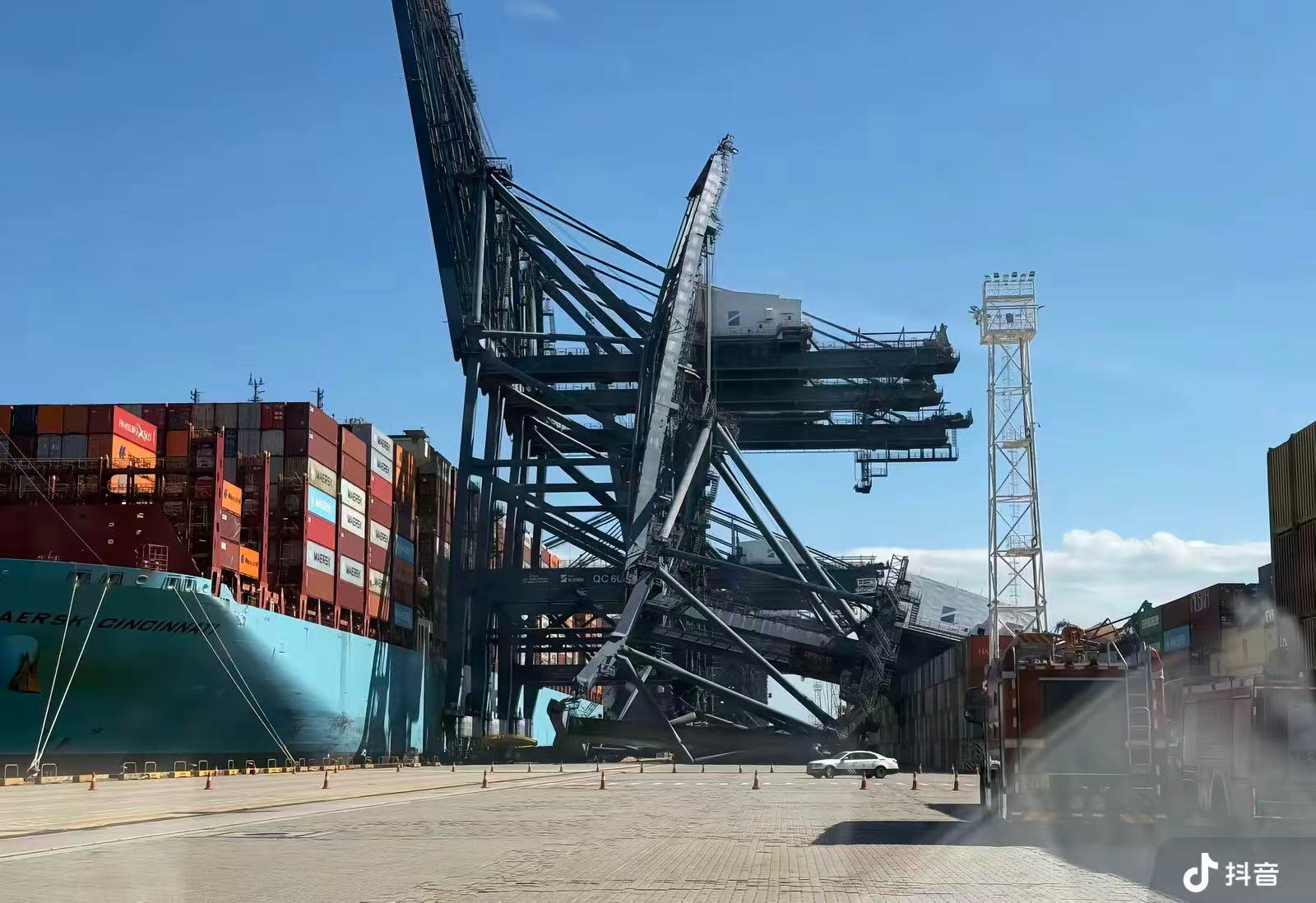
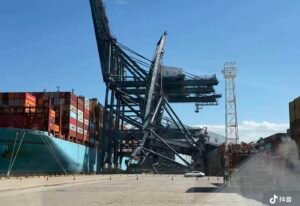
On November 9, 2026, MAERSK CINCINNATI was involved in a berthing collision at Yantian International Container Terminal in Shenzhen, China.
During manoeuvring operations at Berth 12, the vessel made contact with a ship-to-shore crane, resulting in the crane's collapse. The incident received widespread attention within the maritime and logistics sectors.
At the time, the vessel was operating on voyage 645W within the Gemini Cooperation's Asia–North Europe NE3 service network.
Reports mentioned strong wind conditions in the Yantian area, but the precise cause of the accident and the full extent of the damage require confirmation from the relevant authorities.
This incident also demonstrates the importance of safe berthing procedures and coordinated operations between large container vessels and terminal infrastructure.
5. MAERSK CINCINNATI Scale Model Dimensions
One of the interesting aspects of MAERSK CINCINNATI is how its real-world dimensions translate into different ship model scales.
For collectors and maritime companies, selecting the appropriate scale depends on the available display space, desired level of detail, and intended use of the model.
| スケール | モデルの長さ | Suitable Application |
|---|---|---|
| 1:100 | 366 cm | Large museum display |
| 1:150 | 244 cm | Museum and exhibition display |
| 1:200 | 183 cm | Large corporate display |
| 1:250 | 146.4 cm | Office and exhibition model |
| 1:300 | 122 cm | Corporate and maritime display |
| 1:400 | 91.5 cm | Office display model |
| 1:500 | 73.2 cm | Compact collection model |
| 1:700 | 52.3 cm | Private collection |
Calculation formula:
Ship Model Length = Original Ship Length ÷ Model Scale
For example, at a scale of 1:400, a 366-meter container ship would have a model length of approximately 91.5 cm.
6. What Makes a High-Quality Container Ship Scale Model?
Producing an accurate container ship scale model requires more than simply reproducing the hull shape. The container arrangement, bridge structure, deck fittings, company logos, and paint scheme all contribute to the finished appearance.
For a vessel such as MAERSK CINCINNATI, important modeling details include:
- Accurate hull proportions and bow geometry.
- Correct waterline and hull color separation.
- Container stack arrangement and individual container details.
- Bridge windows, navigation equipment, and accommodation details.
- Maersk funnel markings and corporate identification.
- Deck equipment, mooring fittings, and stern details.
- Display base, engraved nameplate, and protective acrylic case.
Depending on the selected scale and project requirements, professional models may combine 3D-printed components, ABS materials, wood, and carefully finished details.
7. Custom Container Ship Models for Maritime Companies
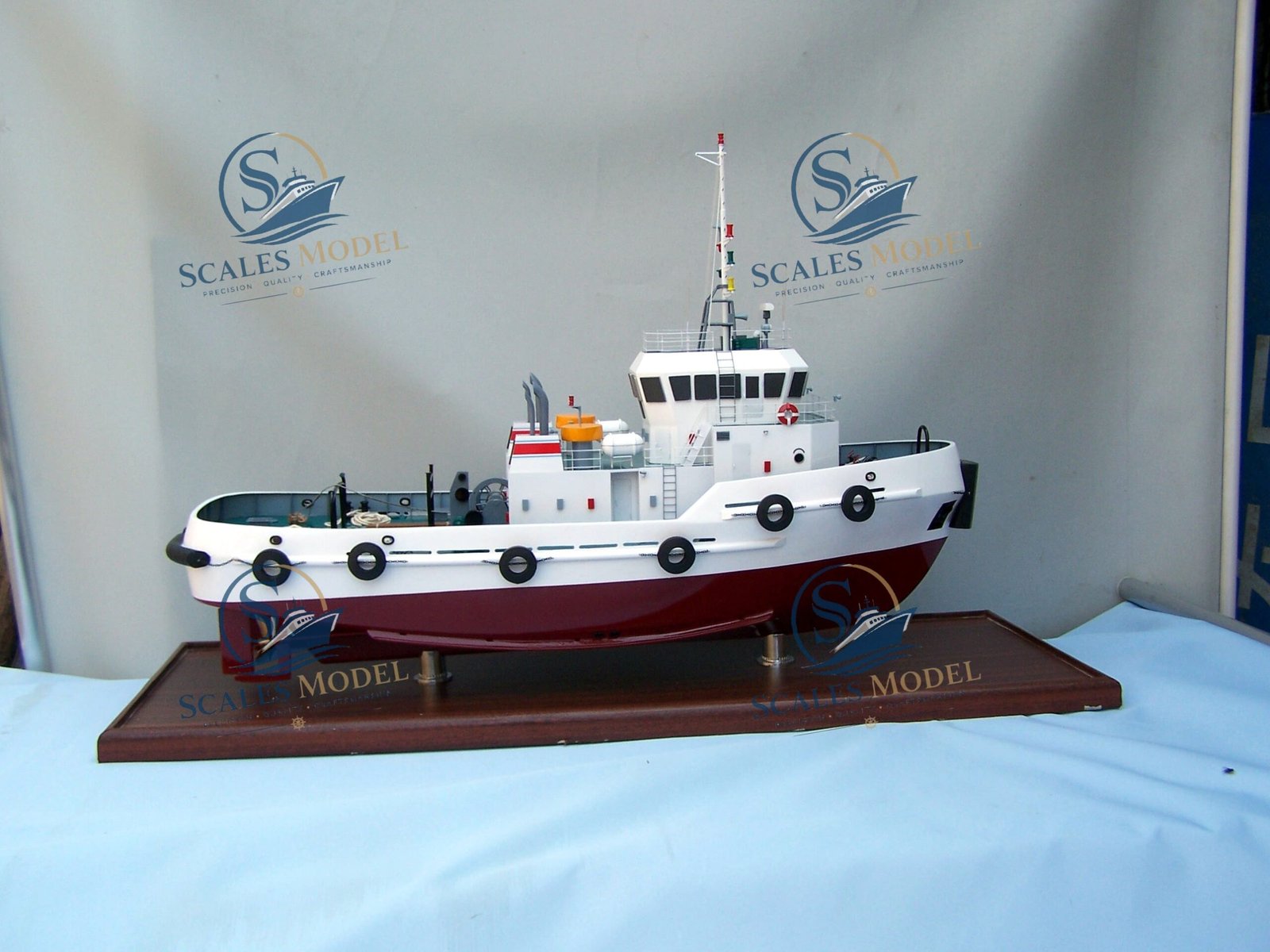
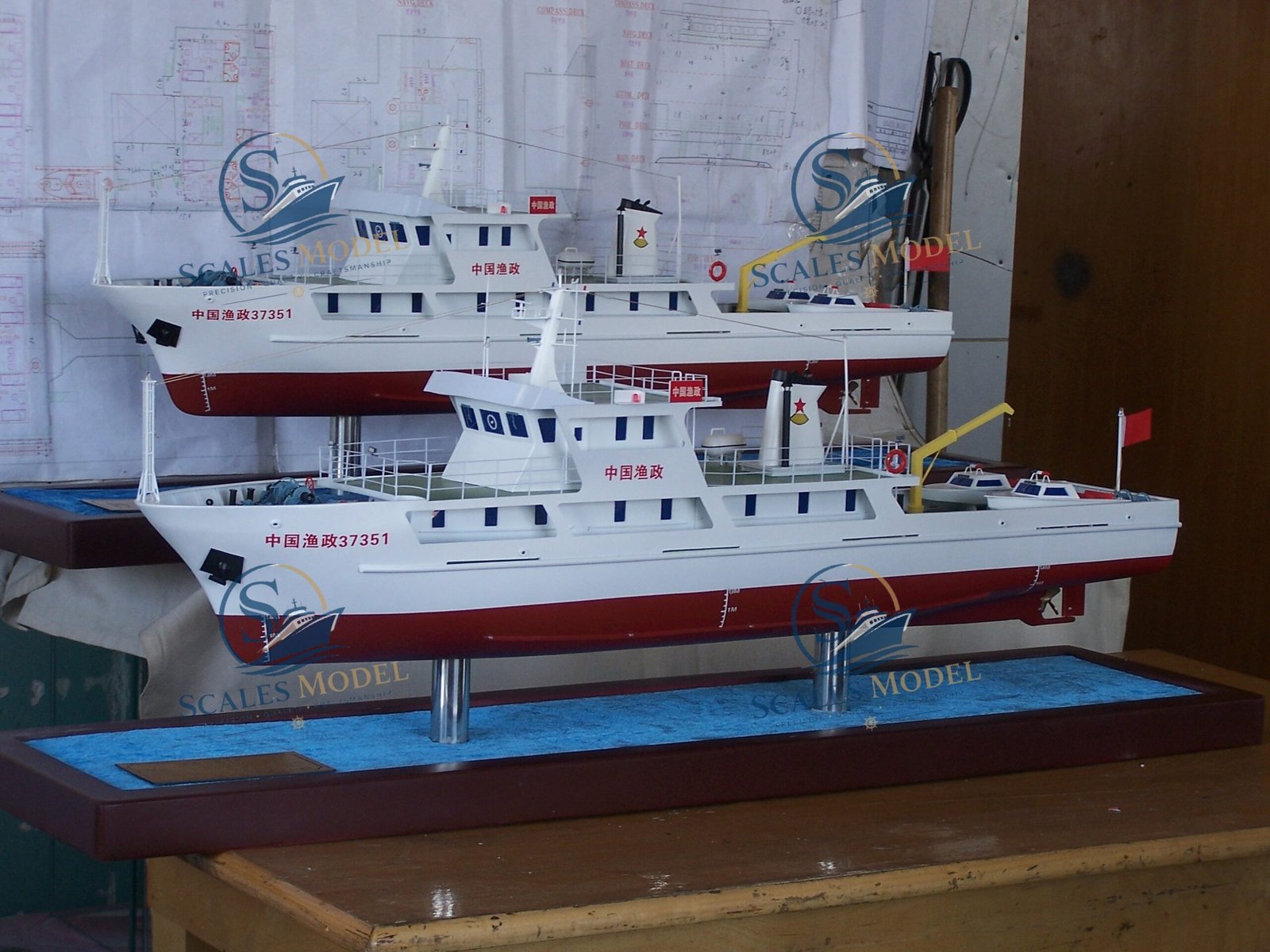
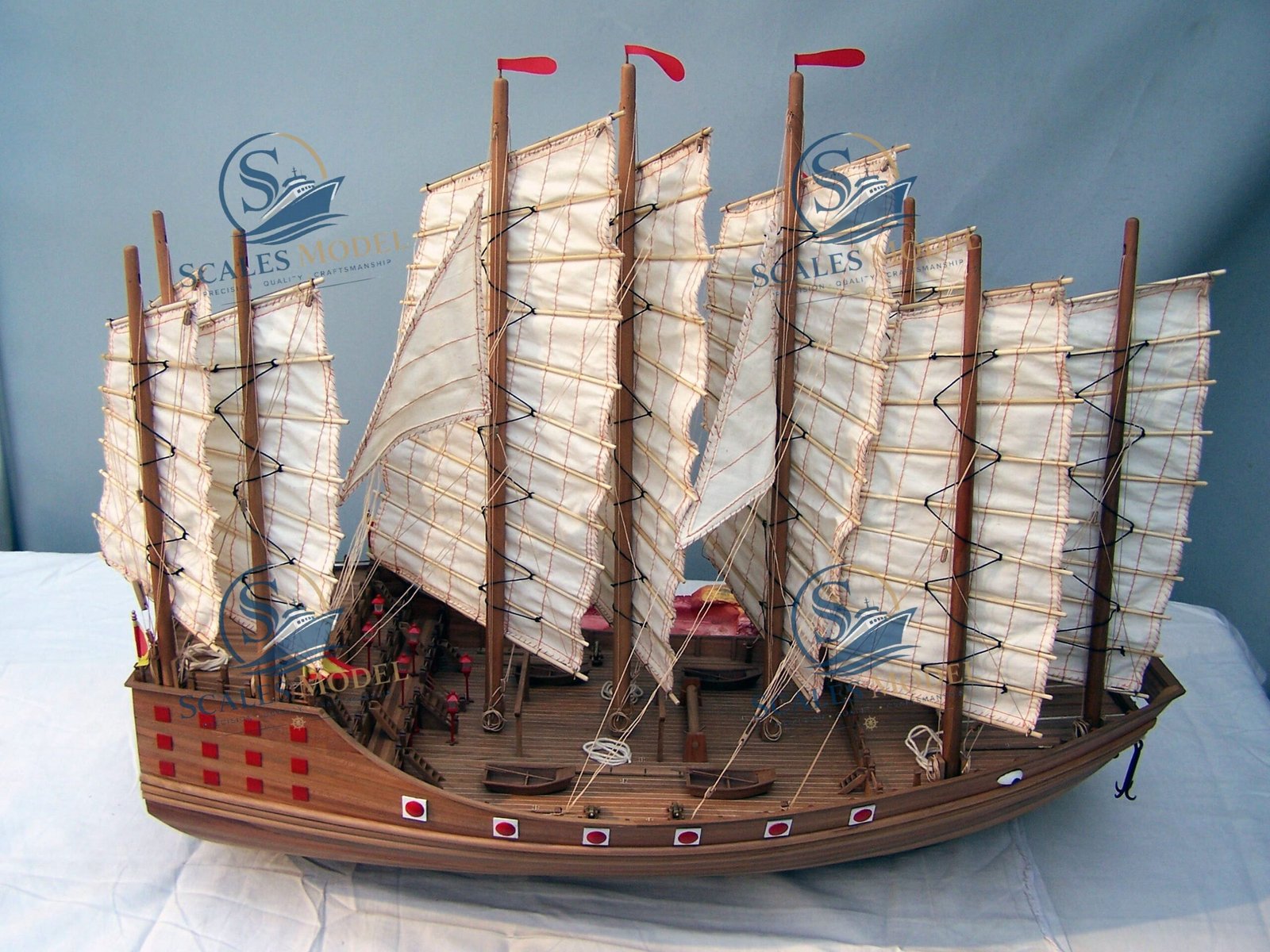
At ScalesModel, we provide customized ship models for shipping companies, maritime organizations, vessel owners, shipyards, and private collectors.
Our custom ship model service covers different vessel types, including:
- Container ships and ultra-large container vessels.
- Bulk carriers and general cargo ships.
- Oil tankers and LNG carriers.
- Offshore support vessels and research vessels.
- Yachts, passenger ships, and specialized commercial vessels.
Models can be developed using GA drawings, hull drawings, technical plans, and reference photographs. We can also customize vessel names, IMO numbers, company logos, funnel markings, hull colors, and display configurations.
8. Frequently Asked Questions
How long is MAERSK CINCINNATI?
MAERSK CINCINNATI has an overall length of approximately 366 meters and a beam of 51 meters.
What is the container capacity of MAERSK CINCINNATI?
The vessel has a nominal container capacity of 15,516 TEU.
When was MAERSK CINCINNATI built?
The vessel was built in 2024 at Jiangnan Shipyard in China.
What scale is suitable for a MAERSK CINCINNATI ship model?
A scale between 1:300 and 1:500 is a practical choice for many office and corporate displays. The actual selection depends on the available display area and required level of detail.
Can a container ship model be made from photographs?
Yes. A custom ship model can be developed using reference photographs, although complete GA drawings and detailed vessel plans are preferable for achieving higher structural accuracy.
Start Your Custom Ship Model Project
Every vessel has its own identity, proportions, and operational characteristics. A professionally crafted scale model helps preserve these details in a physical display piece.
If you are interested in a custom MAERSK container ship model or another commercial vessel, contact our team to discuss the appropriate scale, model length, materials, and customization requirements.
 Japanese
 English
 Chinese
 Spanish
 German
 French
 Indonesian
 Korean