Custom Ship Model Quality Inspection
Before a completed custom ship model moves into protective packaging, the model should be reviewed as a complete presentation object. Overall geometry, structural alignment, deck equipment, fine components, paint finish, vessel markings, corporate branding and display presentation can all form part of the final inspection process.
Inspection Connects Model Production With Final Delivery
A custom ship model can contain hundreds of visible relationships between hull form, decks, equipment, superstructure, small fittings and vessel identity.
Final inspection provides an opportunity to review the finished model against the available project references before delicate components are enclosed inside protective packaging.
The goal is not simply to look for obvious damage. The completed model should also be reviewed as a coherent representation of the vessel and as a professional display object.
Seven Areas to Review Before the Model Is Packed
Inspection can move from the largest vessel relationships down to the smallest visible components.
Dimensions & Proportions
Review overall model size, hull proportions and major vessel geometry against available references.
Hull & Superstructure Alignment
Review the relationship between hull, decks, bridge, accommodation blocks and major structural areas.
Component Positioning
Check major visible components such as cranes, boats, winches, deck machinery and technical equipment.
Railings, Masts & Antennas
Review delicate exterior components for alignment, completeness and visible installation condition.
涂料与饰面
Review visible surface finish, paint consistency and the general appearance of hull and superstructure.
Vessel Names & Branding
Check vessel names, hull markings, logos, funnel graphics and supplied corporate identity references.
Display Base & Overall Appearance
Review the relationship between the finished vessel, display base, plaque and final presentation.
Fragile Component Review
Identify masts, antennas, cranes, rigging and other areas that need packaging clearance.
Ready for Packaging
After the model has been reviewed, the project can proceed into protective packaging preparation.
The Available Vessel Information Provides the Inspection Context
A custom model should be reviewed against the same information that guided its development.
图纸
GA drawings, profiles and deck plans can help review the overall arrangement, proportions and major structural locations.
根据图纸制造 →船舶照片
Photography can help compare colors, exterior equipment, vessel markings and other visible characteristics.
根据照片制作 →CAD & Digital References
Digital project information can provide additional geometry and component-position references for complex models.
CAD 与 3D 设计 →Begin With the Whole Vessel Before Inspecting Small Details
Fine detail cannot compensate for an incorrect overall relationship between hull, decks and major structures.
船体轮廓
Review bow, stern, waterline and overall hull appearance.
Deck Levels
Review major horizontal relationships across the model.
Superstructure Position
Check bridge, accommodation and major deckhouse relationships.
主要设备
Confirm the visible position of important vessel equipment.

Move From Major Structure to Fine Marine Components
栏杆
Review visible alignment, continuity and condition along exposed deck edges.
桅杆
Check vertical alignment and the relationship with surrounding upper structures.
Radar & Antennas
Fine navigation structures should be reviewed for visible positioning and completeness.
起重机
Review crane structures, booms and their relationship with working decks.
管道
Technical and offshore models may require inspection across dense piping arrangements.
容器
Container models benefit from consistent alignment, spacing and visual arrangement.
Windows
Bridge and accommodation glazing contributes strongly to close-range appearance.
Anchors & Deck Fittings
Small external fittings can be reviewed against vessel references where available.
Lifeboats & Workboats
Check position, appearance and relationship with davits and surrounding structures.
Different Ship Models Need Different Inspection Priorities
There is no single detail checklist that applies equally to every vessel type.
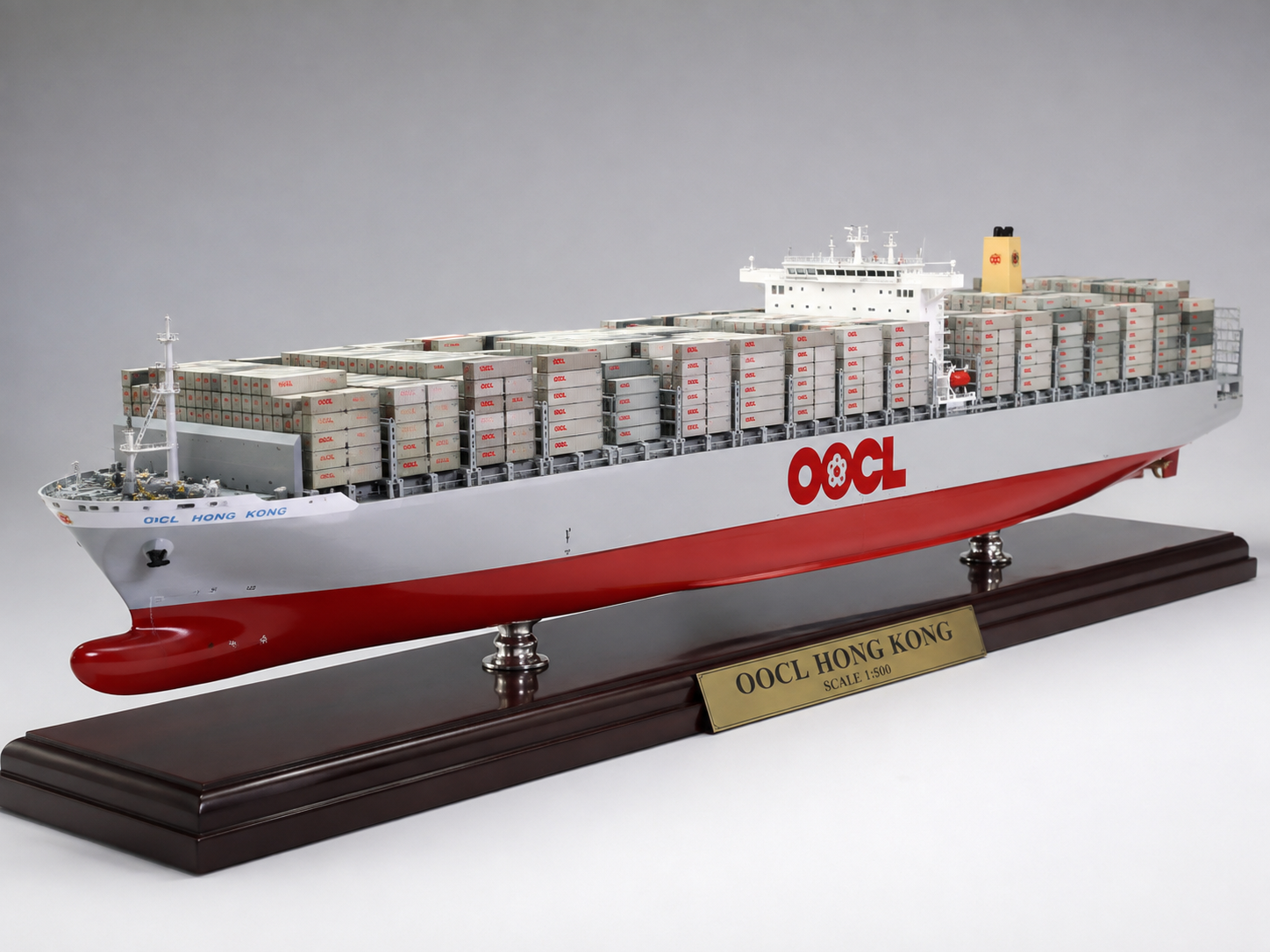
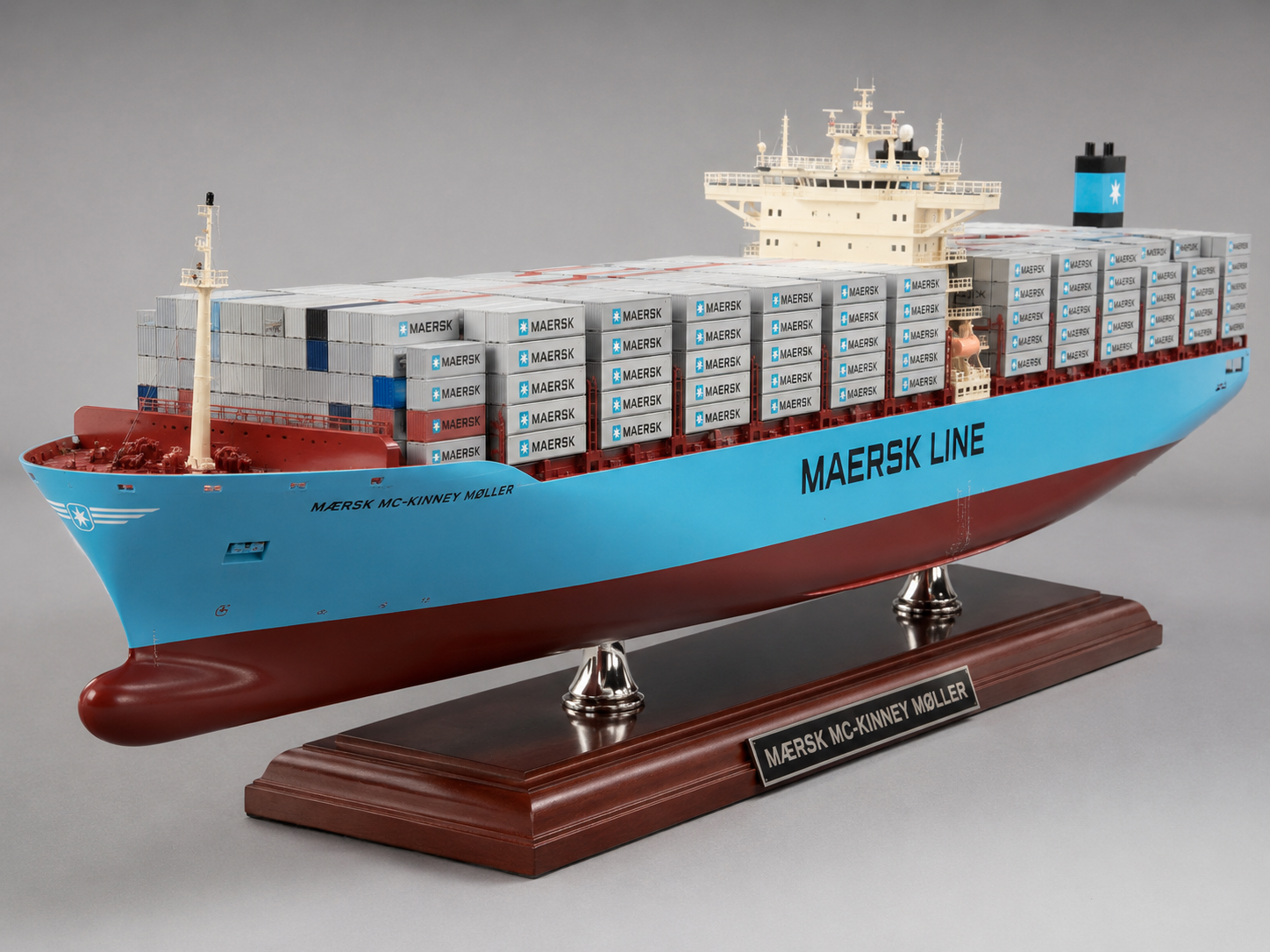
Containers, Bridge & Shipping-Line Identity
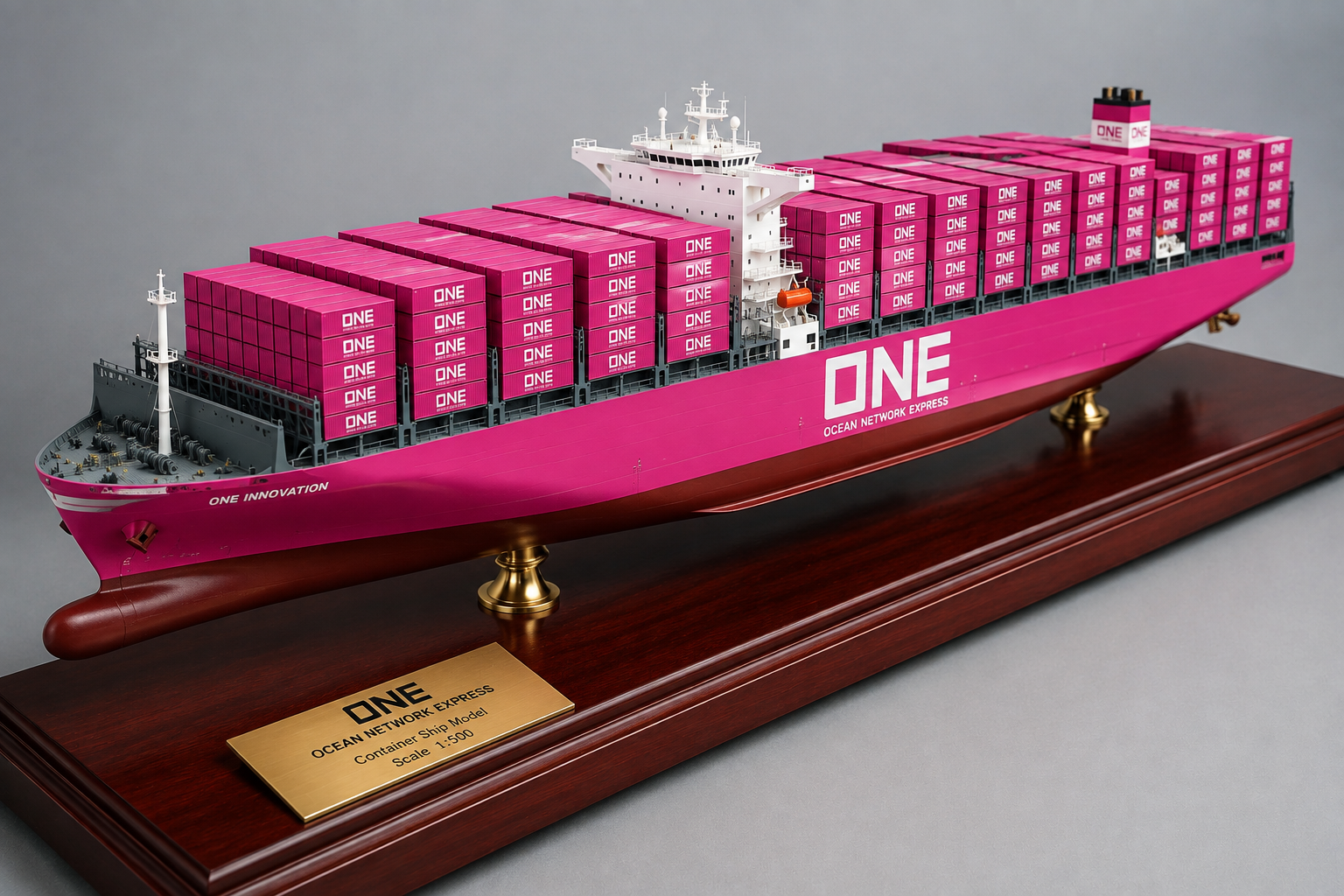
Inspection can emphasize container alignment, bridge detail, lashing structures, vessel names, hull color and funnel graphics.

Piping, Cranes & Multi-Level Structures
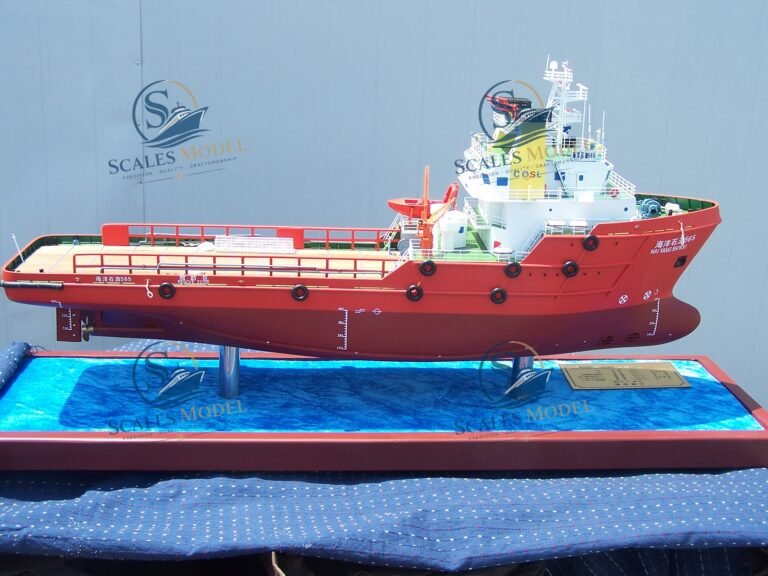
Offshore models can concentrate many visible structures in a small area, making component completeness and alignment especially important.

Deck Detail, Masts & Exterior Equipment
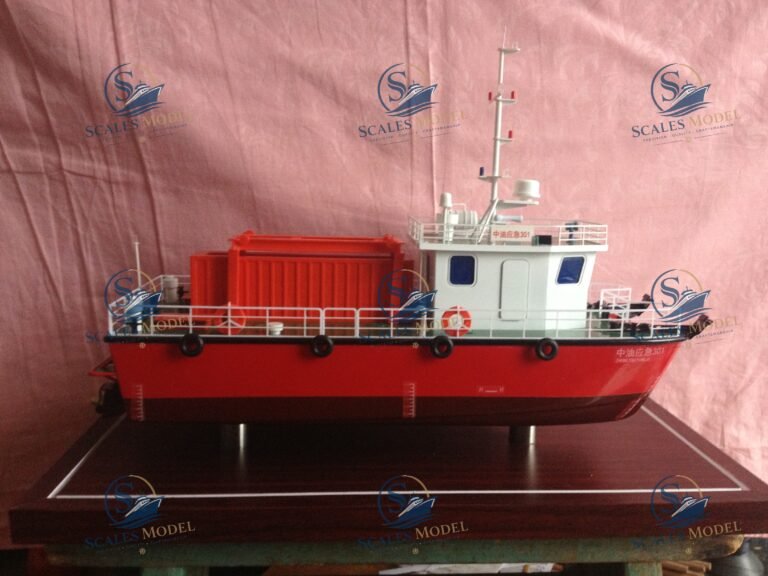
Specialist vessels can require close review of exterior deck arrangements, railings, mast structures and visible fittings.
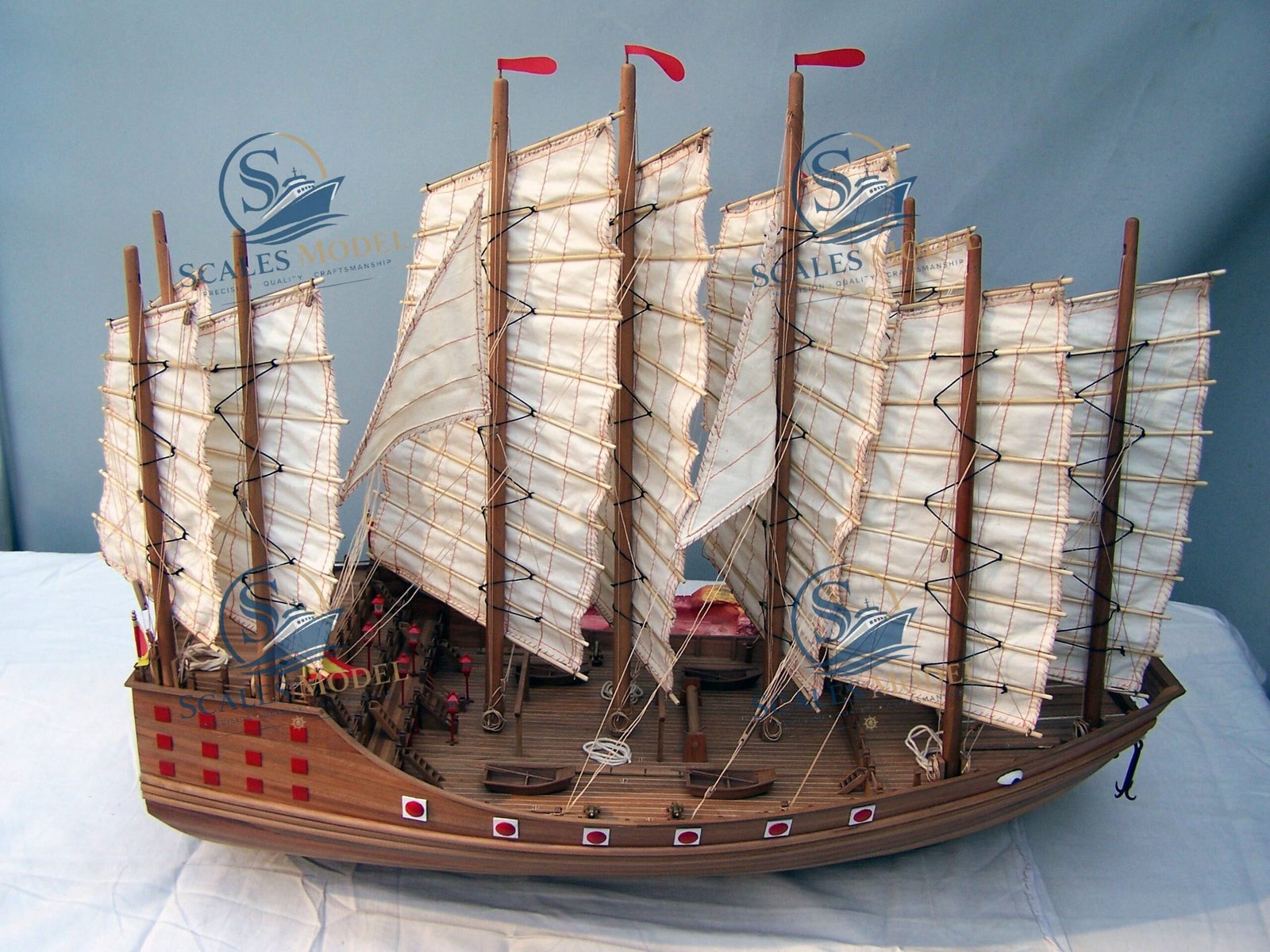
Masts, Sails & Rigging
Historic models require a different inspection focus, with greater attention to rigging, mast alignment and traditional exterior detail.
Check Finish, Colors & Vessel Identity
A structurally detailed model can still look incorrect if the visible identity of the vessel is inconsistent with the project references.
船体颜色
Compare supplied color references where available.
Superstructure Finish
Review visible consistency across major painted areas.
Vessel Name & Hull Markings
Check spelling, placement and visible orientation.
企业品牌建设
Review supplied logo, funnel and identity references.
Six Steps Before the Model Proceeds to Packaging
参考文献
Revisit drawings, photos and project information.
Inspect Structure
Review hull, decks and major alignment.
Inspect Details
Review railings, equipment and fine components.
Inspect Finish
Review visible paint and surface appearance.
Check Branding
Review names, logos and vessel markings.
Release to Packaging
Identify fragile zones and prepare protective packing.
Details Worth Reviewing at Final Model Stage


Model QC Is Different From Full-Size Vessel Certification
A custom ship model is a physical representation created for presentation, display, communication or educational use.
Reviewing model dimensions, geometry, appearance, colors, markings and component placement does not replace class approval, naval architecture calculations, structural verification, stability analysis, hydrodynamic testing or regulatory certification required for a full-size vessel.
Marine Ship Models Quality-Control Resources
Marine Ship Models publishes additional information describing final inspection of dimensions, appearance, colors, branding, structural details and overall presentation before packaging.
Its model-making resources also show why hull alignment, paint finish and the placement of windows, railings, masts and other details matter during the final stages of production.
Final Inspection Also Helps Plan Protective Packaging
Inspection identifies not only visible model quality, but also the most vulnerable structures that should be protected during transportation.
桅杆与天线
Tall thin structures require suitable clearance.
栏杆
Fine railings should remain free from direct packaging pressure.
Cranes & Booms
Projecting equipment can create vulnerable transport zones.
Historic Rigging
Masts, yards and rigging need generous internal clearance.
Quality Inspection Sits Between Production & Packaging
The manufacturing pages should work together as one clear project journey.
Quality, Manufacturing & Ship Model Resources
Ship Model Quality Inspection – Frequently Asked Questions
What is checked during custom ship model quality inspection?
Is the model compared with drawings and photographs?
Are railings, masts and antennas inspected?
Are vessel names and company logos checked?
How are container ship models inspected?
How are offshore and FPSO models inspected?
How are historic ship models inspected?
Does ship model inspection replace vessel engineering certification?
What happens after quality inspection?
Can finished models be delivered internationally after inspection?
Your Custom Ship Model Should Be Reviewed Before It Is Protected for Delivery
From hull proportions and deck equipment to paint, logos, railings, masts and display presentation, final inspection connects detailed model production with protective packaging and the finished model's destination.
发送船舶详情并申请报价 Chinese
  English
  Spanish
  German
  French
  Indonesian
  Korean
  Japanese