Custom Ship Prototype Models
Turn a proposed vessel, offshore concept or marine engineering design into a detailed physical scale model before the full-size project is completed. Scales Model can work from GA drawings, CAD files, 3D engineering data, concept drawings and other suitable project references to create professional prototype models for design communication, client presentations, exhibitions and project display.
Make a Vessel Concept Tangible Before the Real Ship Exists
Many marine projects need to be presented long before construction of the full-size vessel or offshore asset is complete.
At this stage, customers may already have general arrangement drawings, preliminary CAD geometry, deck layouts, renderings, equipment information or an evolving 3D design.
A physical prototype model can turn this information into a three-dimensional presentation that allows clients, project teams and exhibition visitors to see the overall vessel form and visible design relationships.
Marine Concepts That Can Be Presented in Physical Scale
Prototype modeling can support vessel concepts across commercial shipping, offshore engineering, specialist marine design and professional presentation.
Concept Ship Models
Present the overall appearance of a proposed vessel before construction of the real ship is complete.
Newbuilding Prototype Models
Physical vessel models can support newbuilding presentations, customer meetings and shipyard project showcases.
FPSO & Offshore Concepts
Floating assets, offshore vessels and complex marine engineering concepts can be translated into scale.
Technical Vessel Prototypes
Translate engineering geometry into a tangible model for technical and client presentation.
Cargo Vessel Concepts
Prototype models can represent new cargo, container, tanker or specialist commercial designs.
Working Vessel Concepts
Tugs, support vessels, service craft and specialized working ships can be modeled.
Yacht Concept Models
Proposed exterior yacht forms can be presented physically for design and customer review.
Innovation Display Models
New vessel concepts can become exhibition centerpieces before the actual project enters service.
Technology Demonstration Models
Physical models can help present new marine layouts, visible systems and project concepts to stakeholders.
From Digital Vessel Design to Physical Presentation
Concept
Start with a proposed vessel or marine project.
Engineering Data
Review drawings, CAD and 3D references.
规模规划
Convert full-size geometry into model dimensions.
Prototype Build
Produce physical vessel structures.
演示文稿
Use the finished model for project communication.
Prototype Models Naturally Connect With CAD & 3D Design
Prototype projects frequently begin with digital information rather than photographs of a finished ship.
总布置图
Establish the primary vessel arrangement, deck levels and major structures.
CAD/DWG 文件
Existing design information can support dimensional and geometric interpretation.
3D工程数据
Existing digital geometry can help define structures and component relationships.
Equipment Information
Major visible machinery and systems can be represented according to supplied project references.
Decide Which Design Features Need to Be Visible
Prototype models can prioritize the parts of the design that matter most to the intended audience.
船体形状
Bow, stern, beam, sheer and principal external vessel proportions.
甲板布局
Cargo zones, working areas and major deck relationships.
上层建筑
Bridge, accommodation and principal deckhouse geometry.
主要设备
Cranes, winches and visible project-specific machinery.
管道与结构
Offshore and technical concepts can include visible piping and structural zones.
Masts & Upper Works
Navigation and communication structures help define vessel identity.
Boats & Safety Equipment
Visible secondary craft and safety elements can be included.
Proposed Branding
Concept colors, vessel names and logos can support presentation.
Display Information
Project name, scale and presentation plaque can complete the model.
Complex Designs Can Be Broken Into Buildable Physical Components
Complex Marine Geometry
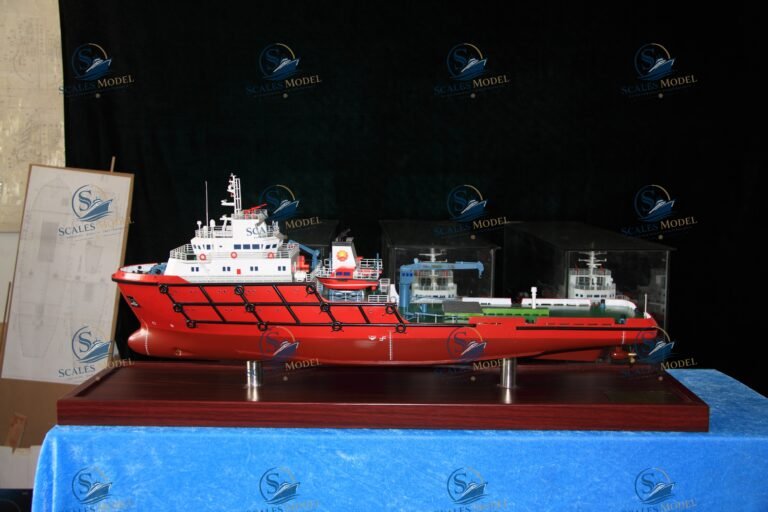
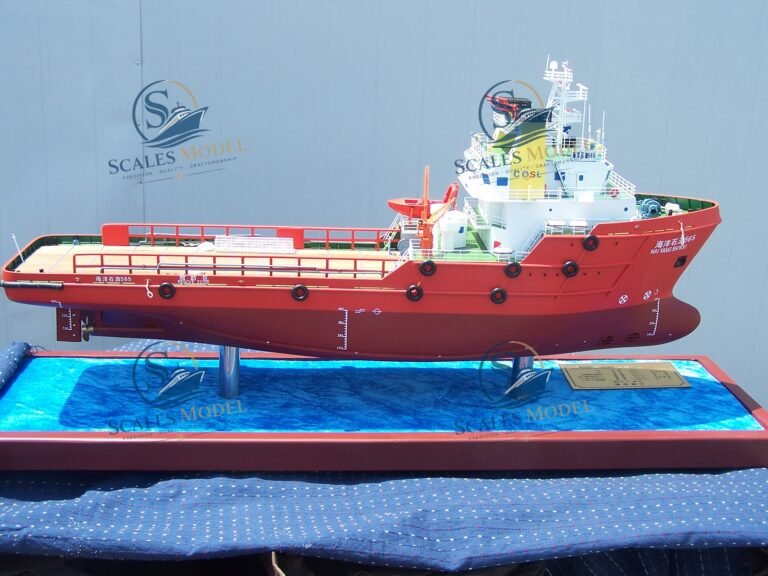
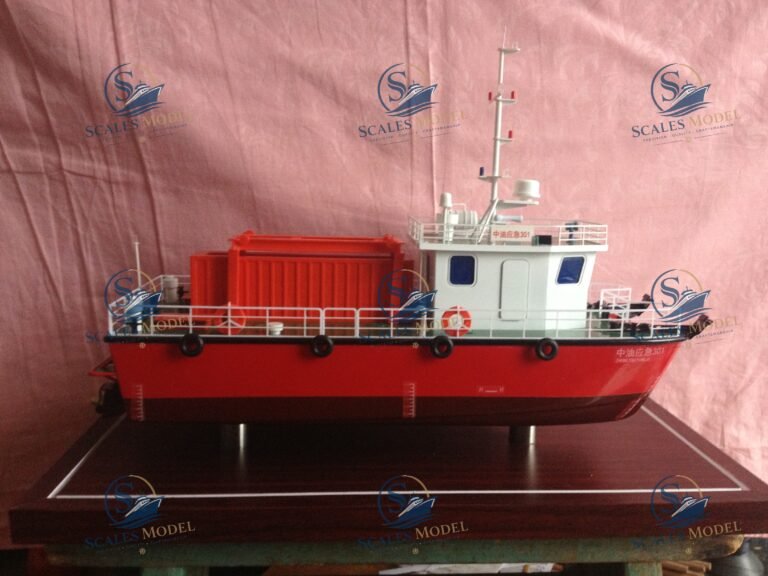
Hull, bridge, working deck and visible equipment demonstrate how multiple project systems can be integrated into one physical model.

Fine Component Planning
Bridge structures, railings, anchors, ladders and deck components illustrate how digital or drawing-based information can become fine physical detail.
Who Uses Physical Marine Prototype Models?
新船推介会
Present a vessel design before construction or delivery.
设计传播
Show major external design relationships physically.
Project Concept
Present complex floating or offshore marine concepts.
Physical Visualization
Convert digital vessel geometry into tangible form.
Innovation Display
Show a new vessel concept before the real ship exists.
项目介绍
Support proposals with a clear physical centerpiece.
Development Showcase
Present future fleet or technology concepts.
Design Demonstration
Show vessel geometry and marine design concepts.
Prototype Models Can Support Early Project Communication
A new vessel project may already contain enough external geometry and arrangement information to create a physical presentation model even though the full-size ship has not yet entered service.
This allows project stakeholders to view the overall concept in a tangible format while the real marine project is still moving through design, engineering or construction.
Start With the Design Information You Already Have
根据图纸制造
GA plans, side profiles, deck arrangements and technical drawings can establish prototype geometry.
根据图纸制造 →CAD 与 3D 设计
Digital engineering references can support complex geometry, component planning and scale conversion.
CAD 与 3D 设计 →Combine With Visual References
Renderings, reference photographs and comparable visual information can supplement technical project files.
根据照片制作 →Prototype Projects Can Reflect an Evolving Vessel Design
When a vessel design is still being developed, project references may change between early concept and final presentation.
Preliminary Geometry
Establish major dimensions, hull and superstructure.
Updated Equipment
Revise major visible components when project references change.
Updated Branding
Apply final colors, vessel names and identity.
Presentation Version
Prepare the model around its final audience and display.
A physical display model can help communicate external vessel form, arrangement and project appearance. It should not be treated as a replacement for naval architecture calculations, class approval, stability analysis, structural verification, hydrodynamic testing or other professional engineering validation required for the real vessel.
From Marine Concept to Finished Physical Prototype
Define Project
Establish concept, audience and model purpose.
查看文件
Review GA, CAD and 3D references.
规模规划
Convert design geometry into model scale.
Build Prototype
Produce hull, structures and components.
Finish & Present
Add colors, markings and display details.
检查与交付
Review, protect and prepare final delivery.
A Prototype Model Can Become a Professional Presentation Asset
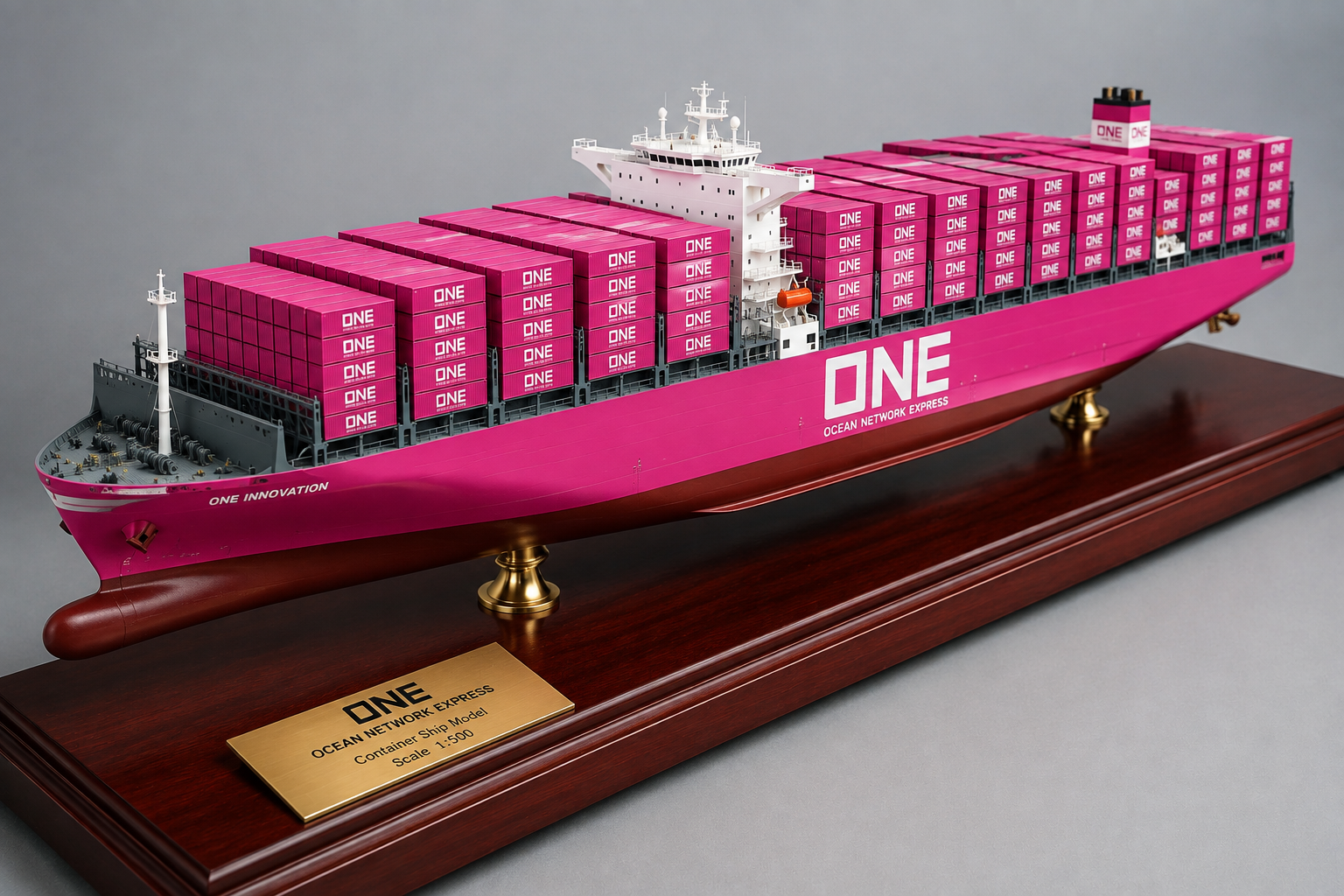
Once a vessel concept has been converted into physical form, the model can also support customer presentations, exhibitions, corporate displays and project milestones.
That means prototype projects naturally connect with Scales Model's Exhibition Models and Corporate Display Models services.

3D Printing & Prototype Model Development
Marine Ship Models publishes an educational resource explaining how CAD-based modeling and 3D printing can support detailed marine components and iterative design development.
Digital models can be adjusted before physical parts are produced, which makes digital design especially relevant to concept and prototype projects where geometry may evolve during development.
Prototype Models Should Target a Different Search Intent
Prototype Models should focus on vessels or marine projects that are still in concept, design or pre-construction stages.
Custom Ship Models can remain the broad service page for completed vessels and general custom model projects, while CAD & 3D Design focuses on the digital engineering-to-model workflow.
Prototype Models Still Need Professional Finishing & Protection
A prototype may represent a future design, but the physical model itself can still be prepared as a finished professional presentation object.
Final review, display preparation, protective packaging and project delivery connect the prototype design stage with its final corporate or exhibition environment.
Prototype, Engineering & Custom Model Resources
Ship Prototype Models – Frequently Asked Questions
What is a ship prototype model?
Can you build a prototype before the real vessel exists?
Can you build a prototype ship model from CAD files?
Can GA drawings be used for a prototype model?
Can prototype models represent offshore projects?
Can the prototype show our proposed company colors and logo?
Can a prototype model be used at a maritime exhibition?
Can the prototype be updated when the vessel design changes?
Does a physical prototype replace engineering or class approval?
What should I send for a prototype model quotation?
Have a Vessel Concept That Does Not Exist Yet?
Send Scales Model your available GA drawings, CAD files, 3D engineering data, concept renderings, desired model scale and presentation requirements. The project references can be reviewed to determine a suitable approach for creating a physical prototype vessel model.
Send Your Concept Files & Request a Quote Chinese
  English
  Spanish
  German
  French
  Indonesian
  Korean
  Japanese