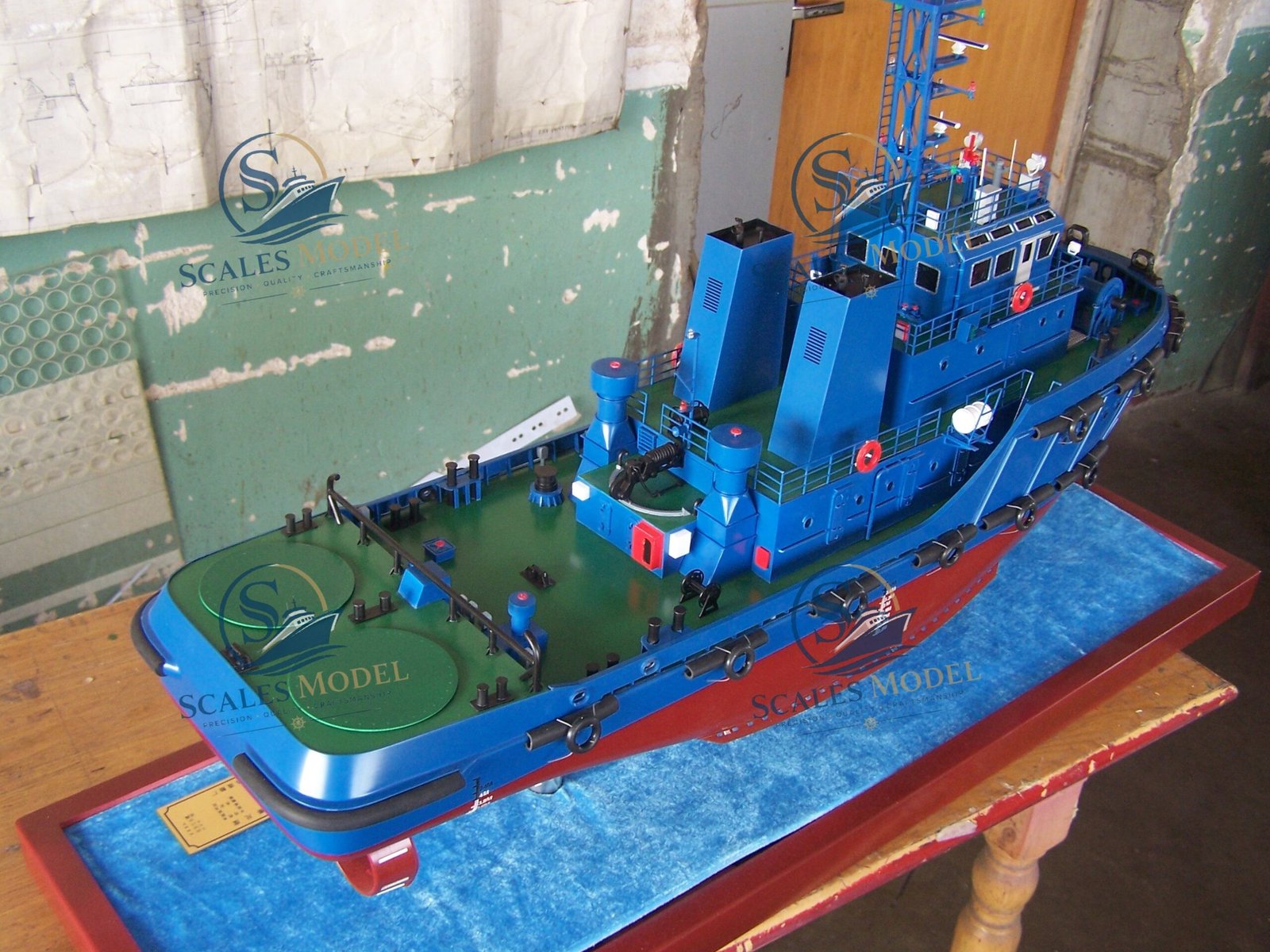
Selecting the right ship model scale is one of the most important decisions when ordering a custom model. The scale affects not only the model’s size but also its level of detail, display requirements, and overall visual impact. Whether you’re commissioning a corporate display, museum exhibit, or private collection piece, understanding different scales will help you achieve the best result.
Why Scale Matters
A ship model scale represents the relationship between the model and the real vessel. For example, a 1:100 scale means every one unit on the model equals one hundred units on the actual ship. Choosing the appropriate scale ensures the model fits your available space while preserving realistic proportions and fine details.
Common Ship Model Scales
Professional manufacturers offer a wide range of scales to meet different display needs.
1:50 Scale
This large scale is ideal for exhibition models and museums. It allows for exceptional detail, including interior structures, railings, equipment, and deck fittings. However, these models require significant display space.
1:100 Scale
A popular choice for corporate offices and vessel presentation models. It offers an excellent balance between size and detail, making it suitable for showcasing commercial ships, yachts, and offshore platforms.
1:150 Scale
This scale provides a slightly more compact model while maintaining impressive detail. It is often selected for conference rooms and executive offices.
1:200 Scale
One of the most widely used scales for commercial vessels. It delivers realistic proportions without requiring excessive display space, making it ideal for container ships, tankers, and bulk carriers.
1:300 Scale
Commonly used for very large vessels such as FPSOs, cruise ships, and offshore platforms. It allows oversized ships to remain manageable while preserving their distinctive appearance.
1:500 Scale
Designed for situations where display space is limited or multiple vessels need to be showcased together. Although smaller, these models still accurately represent the vessel’s overall design.
How to Select the Right Scale
Several factors should be considered before selecting a scale:
- Available display space
- Purpose of the model
- Vessel dimensions
- Desired level of detail
- Transportation and packaging requirements
- Budget
Our engineering team can recommend the most suitable scale based on your project goals.
Display Space Considerations
Before production begins, measure the intended display location carefully. Ensure there is enough room not only for the model itself but also for the display base, acrylic cover, and viewing clearance.
Large lobby displays often accommodate larger scales, while office desks and conference tables may benefit from more compact options.
Museum vs. Corporate Display
Museums often prefer larger scales such as 1:50 或 1:100, allowing visitors to appreciate intricate craftsmanship and educational details. Corporate clients frequently select 1:150, 1:200, or 1:300, balancing impressive presentation with practical office space.
结论
Choosing the correct ship model scale is essential for achieving both visual impact and practical functionality. The ideal scale depends on your vessel, display environment, and project objectives. At 比例模型, we work closely with every client to recommend the most appropriate scale, ensuring each handcrafted model delivers exceptional accuracy and presentation.
常见问题解答
Which ship model scale is the most popular?
The most common choices are 1:100, 1:200, and 1:300 because they provide an excellent balance between size and detail.
Can I request a custom scale?
Yes. We manufacture models in custom scales based on your specific requirements.
Which scale is best for large vessels?
For large ships such as FPSOs or cruise ships, 1:200 or 1:300 is often recommended.
How do I know which scale will fit my space?
Our team can calculate the final model dimensions before production begins.
Does a larger scale cost more?
Generally, yes. Larger scales require more materials, greater detail, and additional production time, resulting in higher costs.



 Chinese
  English
  Spanish
  German
  French
  Indonesian
  Korean
  Japanese