Turn Large Marine Engineering Projects Into Exhibition-Ready Physical Models
Marine equipment is difficult to bring to an exhibition.
A complete offshore vessel, FPSO, major ship or large marine engineering system may be hundreds of meters long and located on the opposite side of the world.
As a result, maritime companies rely heavily on screens, animations and technical diagrams to explain their projects.
A physical scale model adds a different form of communication.
It allows the visitor to understand the entire project before reading a single technical specification.
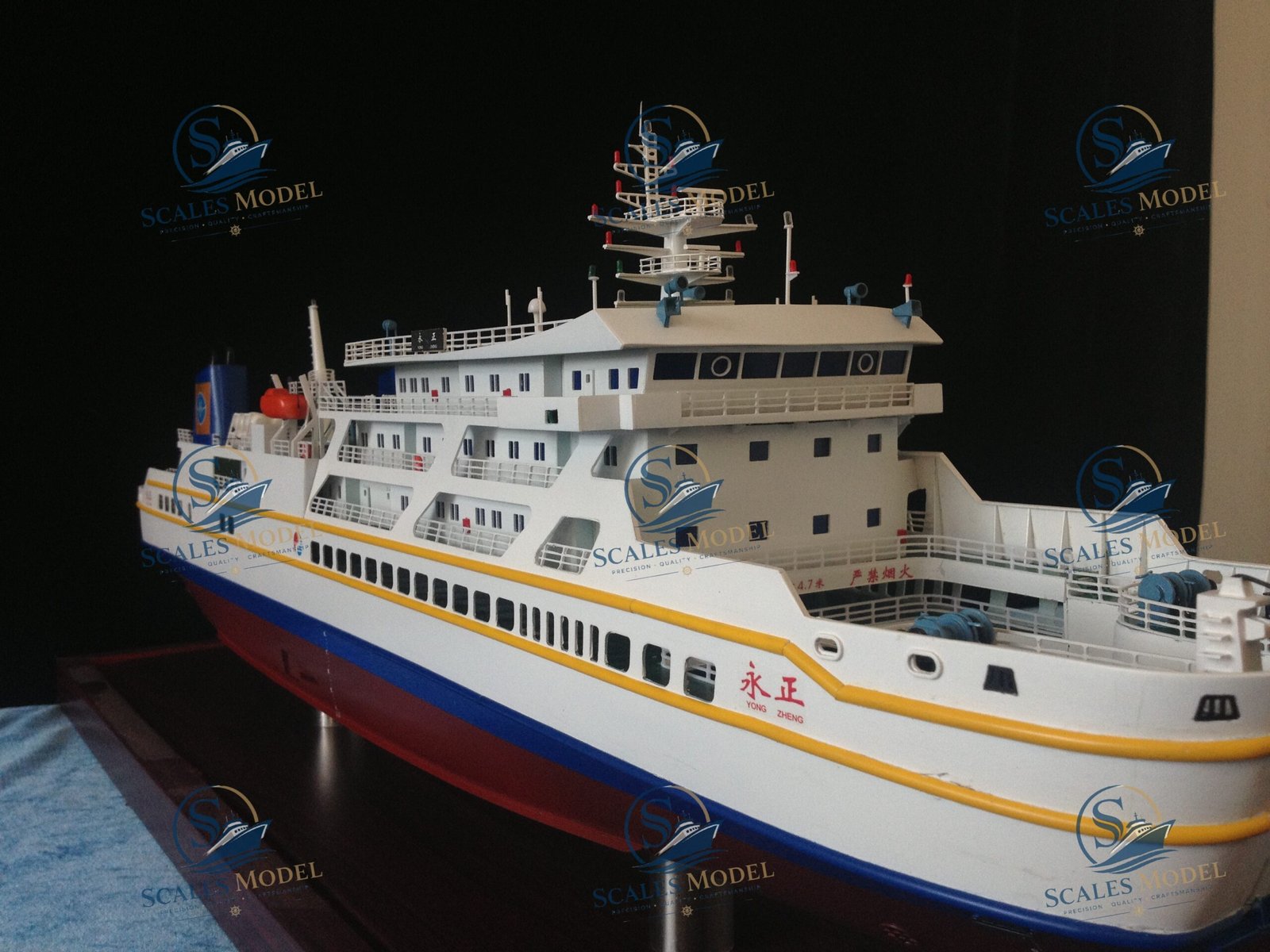
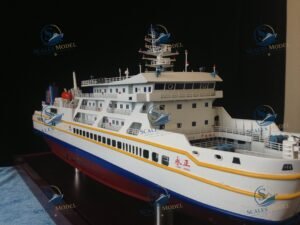
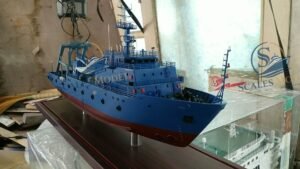
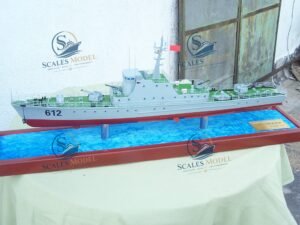
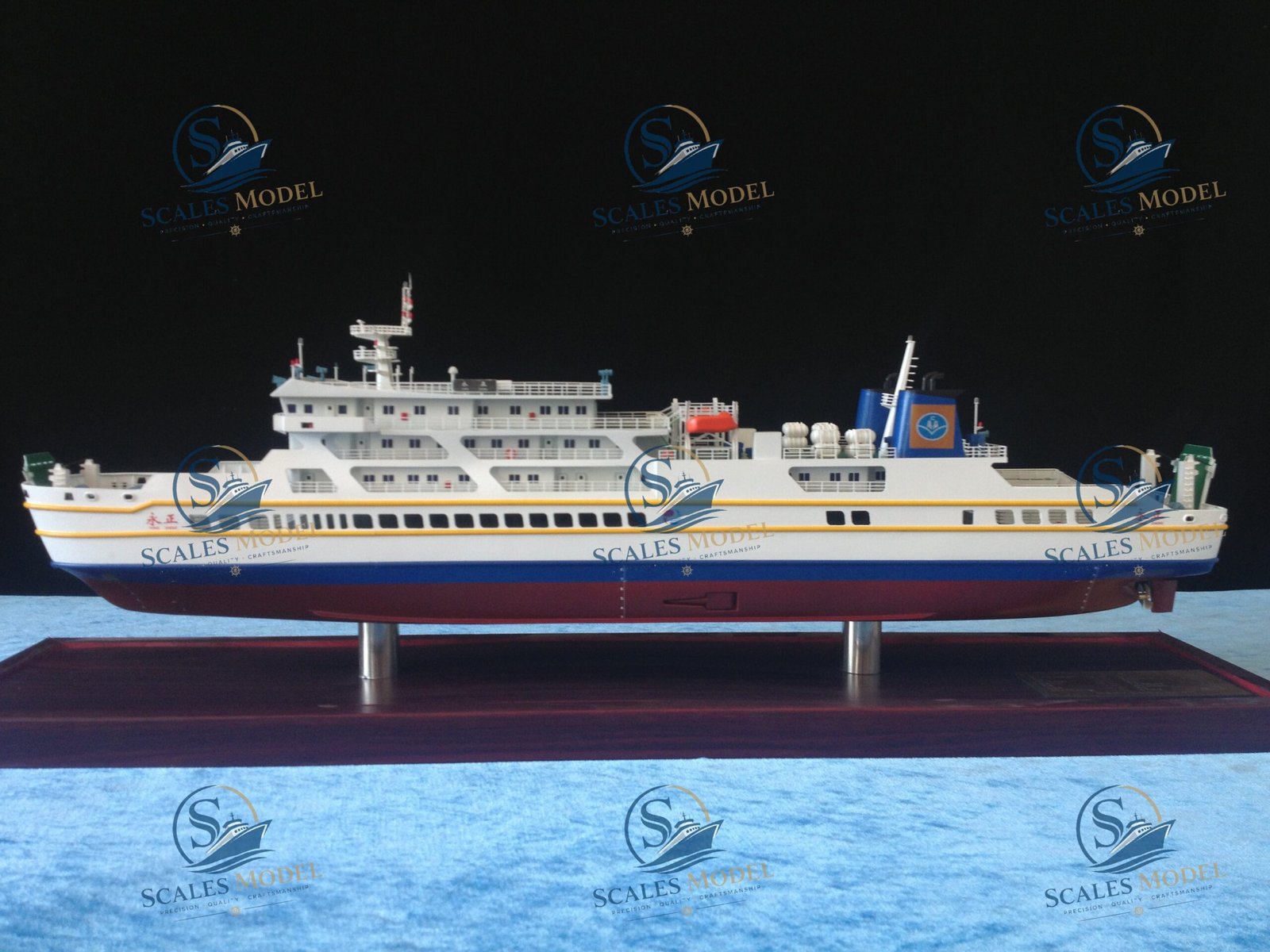
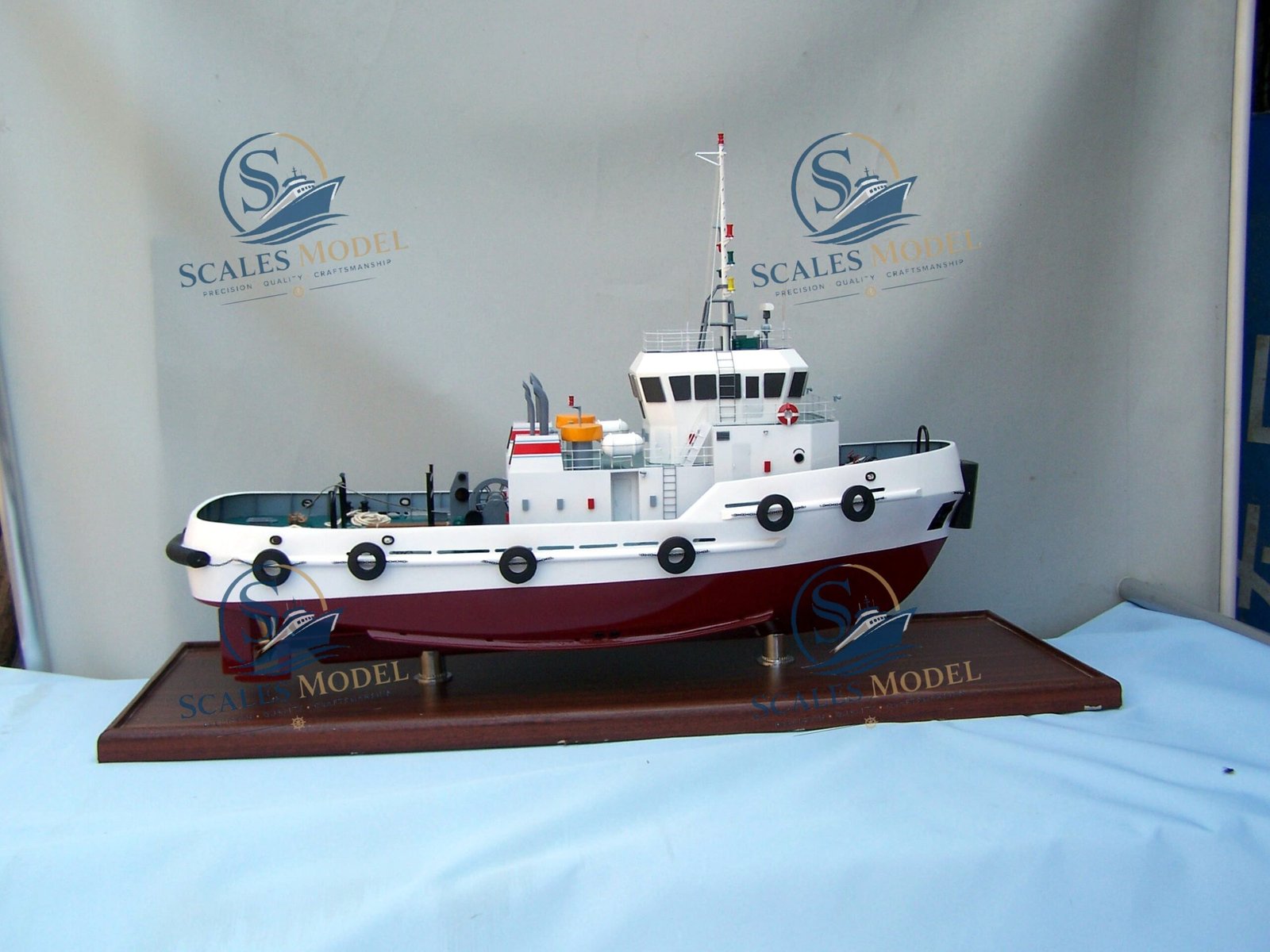
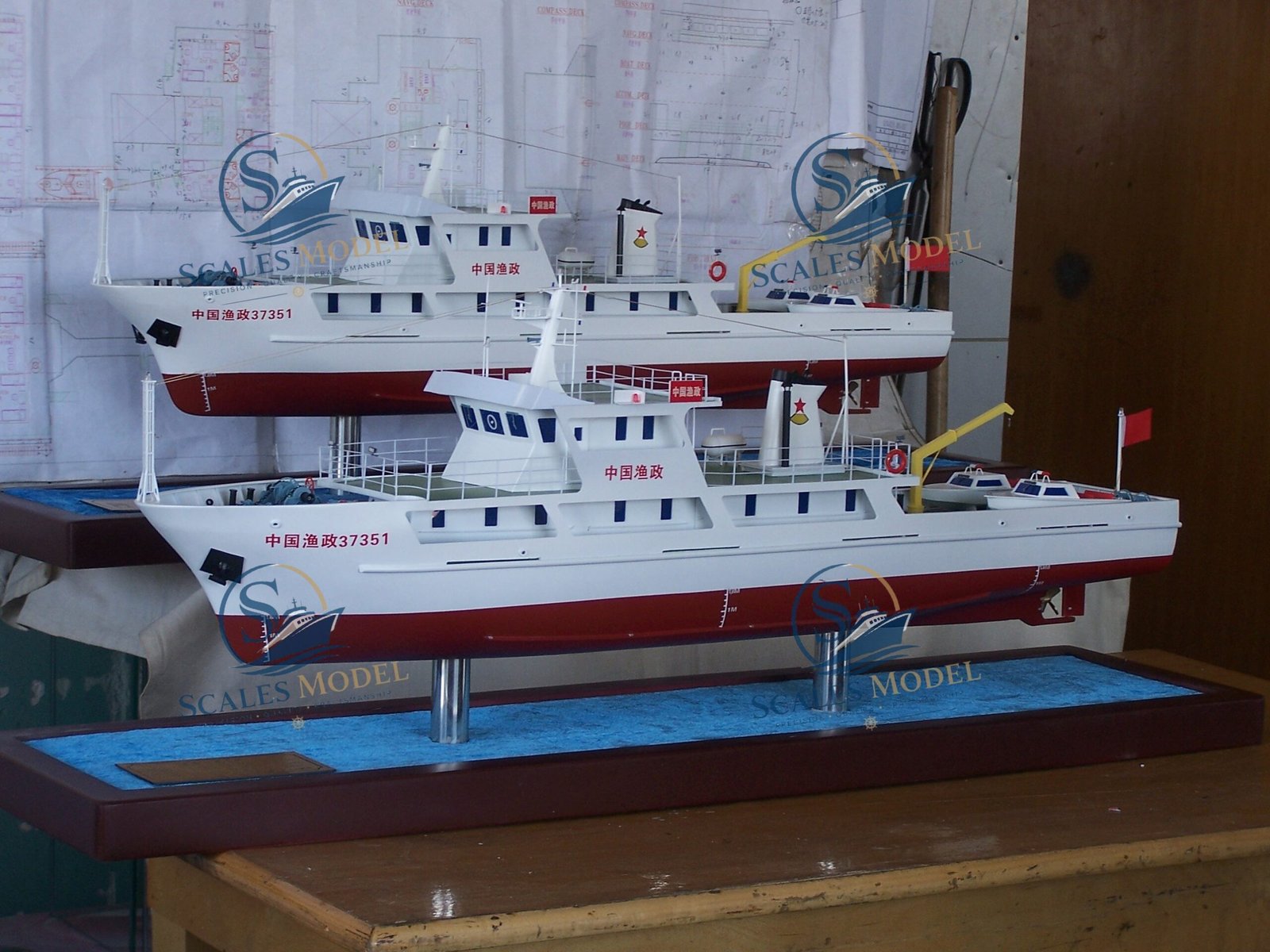
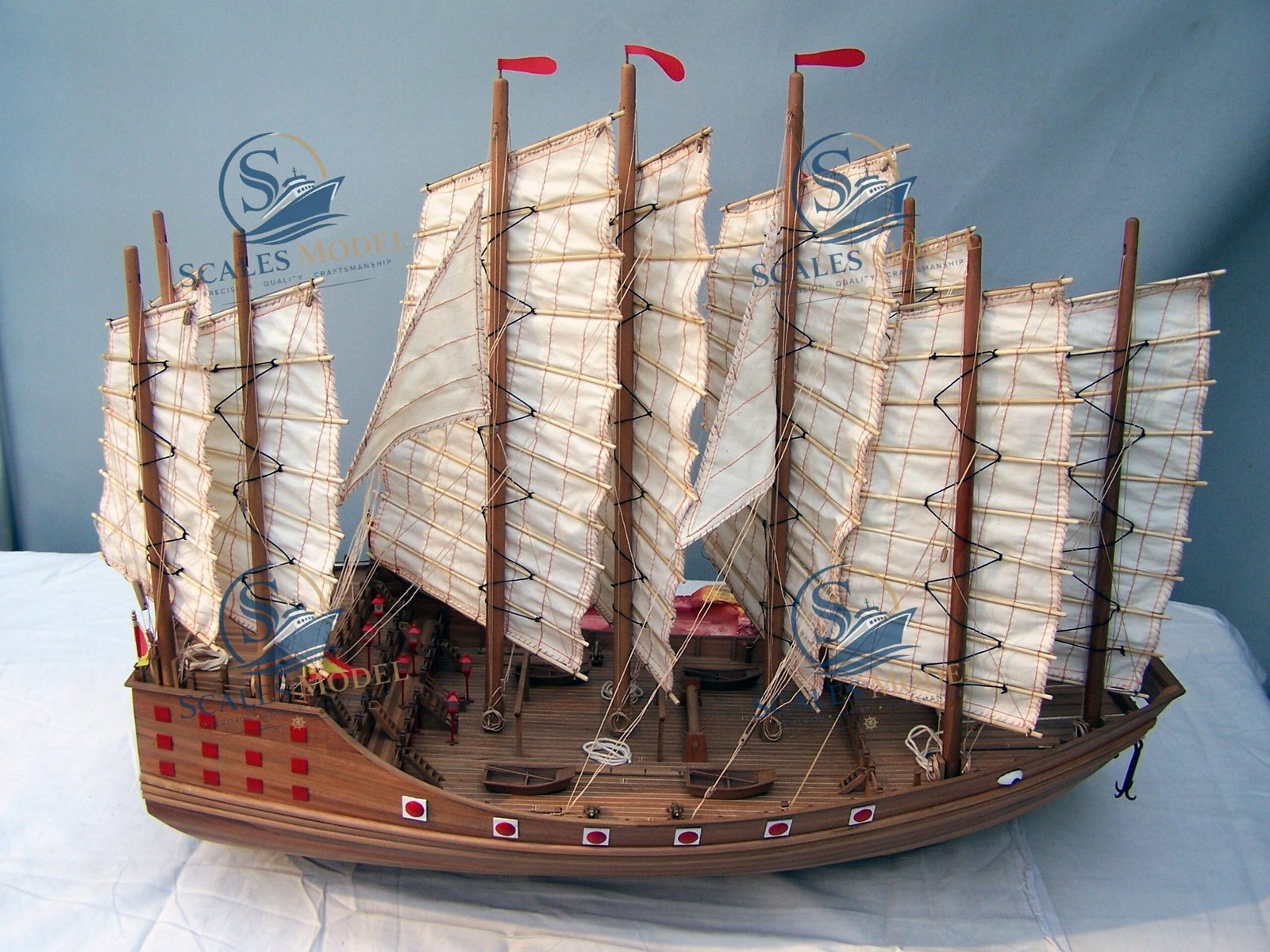
For companies targeting China Marine Equipment Expo and similar marine-equipment exhibitions, Scales Model’s Offshore- und FPSO-Modelle, Modelle von Handelsschiffen and Ausstellungsmodelle create a useful structure for this type of project. Scales Model’s current custom-model approach supports vessel drawings, photographs and CAD-related reference information.
Physical Models for Offshore Projects
An offshore vessel often contains far more visible complexity than a conventional cargo ship.
Working decks, cranes, piping and specialist structures may all contribute to the visual identity of the project.
That density is exactly why physical models are useful.
Visitors can examine the relationship between different areas instead of trying to reconstruct the project mentally from individual drawings.
For more complex offshore presentations, Scales Model’s CAD und 3D-Konstruktion route can help translate suitable digital project information into physical scale.
Marine Ship Models’ dedicated FPSO Ship Models for Offshore Oil and Gas Projects article gives additional examples of FPSO models being used as customized physical representations of offshore projects.
From Engineering to Marketing
A major advantage of a physical model is that it can serve several departments.
Engineering teams may focus on visible technical arrangement.
Marketing teams may focus on brand identity and overall appearance.
Business-development teams may use the model to begin customer conversations.
Management may use it to present the scale and importance of the overall project.
A well-planned model brings those needs together.
That makes it more than a miniature.
It becomes a common visual language for the company.
Marine Equipment Suppliers Can Use Models Too
The buyer does not need to be a shipyard.
Marine-equipment manufacturers can also use physical vessel or system models to show where their products operate.
Instead of displaying a component in isolation, a supplier can show its equipment as part of a larger vessel context.
This is particularly valuable for complex B2B products where customers benefit from seeing how the equipment fits into the overall marine system.
Exhibition Models as Stand Centerpieces
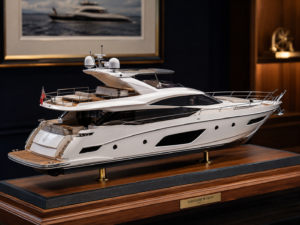
Scales Model’s Ausstellungsmodelle page reflects the growing use of models as professional trade-show assets.
A large marine model can occupy the center of the booth, with digital screens and brochures arranged around it.
The physical object attracts attention.
The digital content provides additional detail.
Together they create a stronger visitor journey.
Marine Ship Models has explored this concept directly in Why Large-Scale Maritime Models Are Becoming the Centerpiece of Industry Exhibitions in 2026.
Prototype Models for Future Projects
Marine engineering companies often need to present a project before construction is complete.
This is where Prototypenmodelle become particularly useful.
A proposed vessel or offshore concept can potentially be transformed into a physical model from suitable drawings, CAD information and design references.
The model can then support:
project announcements, client presentations, exhibitions and corporate displays.
Corporate Display After the Exhibition
A major model should ideally continue working after the trade show.
After the exhibition, the project can move to a company headquarters, client center or showroom as a Corporate Display Model.
This gives the model a long-term purpose.
Over time, a company can build a complete collection of important projects.
Visitors then see not just one current product, but the company’s history of marine engineering achievement.
Project Branding
The presentation can also be adapted to the company and project.
Depending on the supplied references, this may include:
vessel name, project name, company identity, shipyard information, display-base design or project plaque.
Those details help connect the technical model with the corporate story.
From Workshop to International Exhibition
If the model will travel internationally, transportation has to be considered as part of the design.
Scales Model’s manufacturing structure includes dedicated pages for Qualitätsprüfung, Verpackung and Weltweiter Versand.
Large or complex models may require more internal clearance because cranes, masts or other structures can extend beyond the main hull envelope.
That makes early planning valuable.
Make the Project Visible
A major marine project is often too large to experience as a whole.
A scale model makes that possible.
For shipyards, offshore companies, equipment manufacturers and marine engineering organizations preparing exhibition material, a customized physical model can become the bridge between technical complexity and customer understanding.
 German
  English
  Chinese
  Spanish
  French
  Indonesian
  Korean
  Japanese