Ordering a custom ship model is more than simply choosing a scale and placing an order. A professional model is developed around the specific vessel, its dimensions, structural features, equipment, colors and identifying details. Whether you are a shipowner, shipyard, yacht owner, engineering company, museum or private collector, understanding the custom ship model ordering process can help you prepare the right information and achieve a more accurate final model.
What Is a Custom Ship Model?
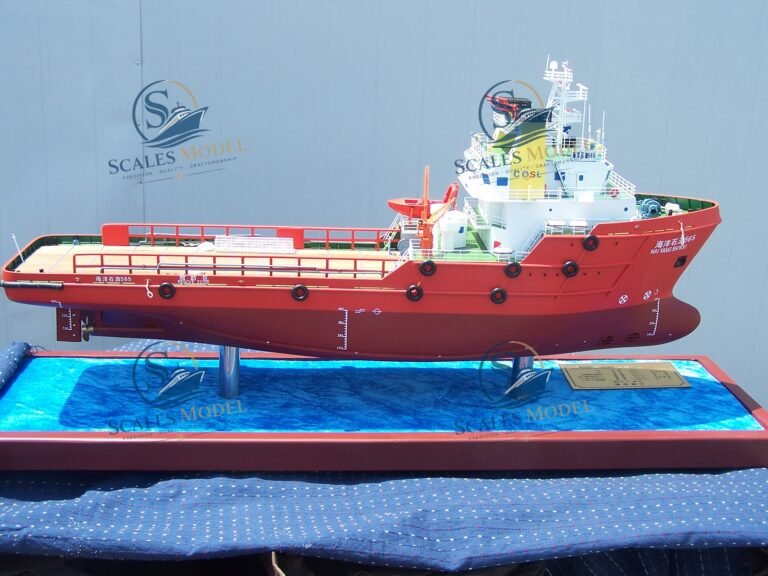
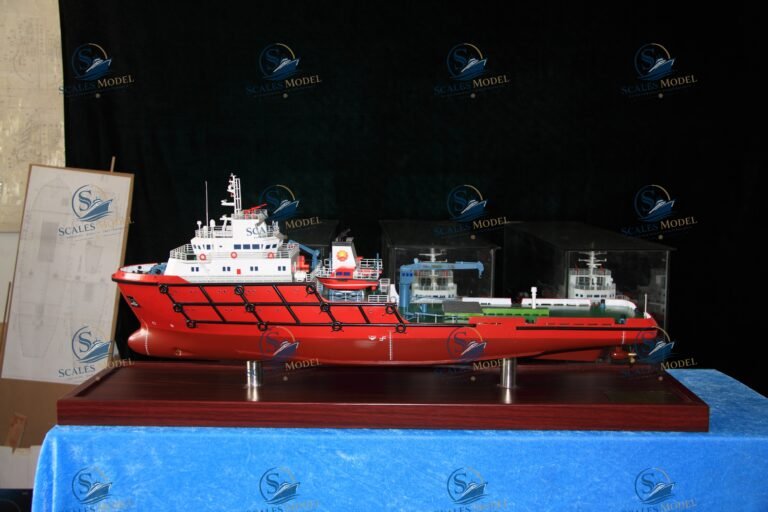
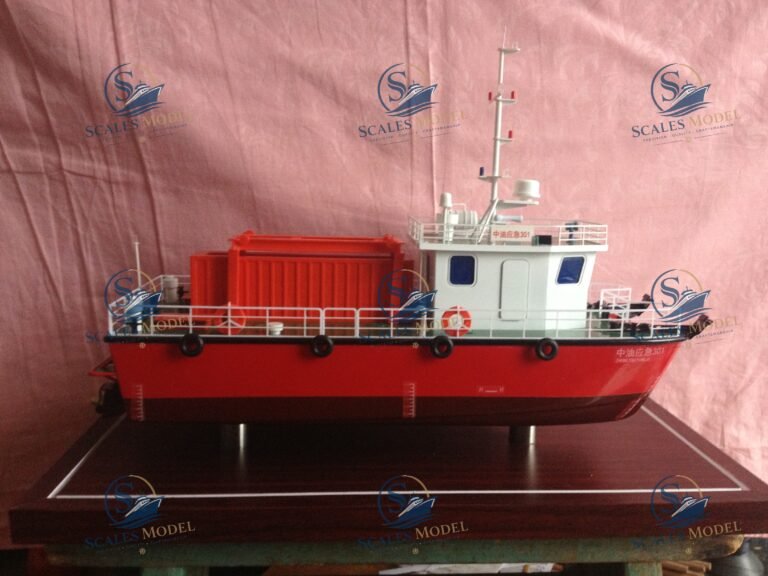
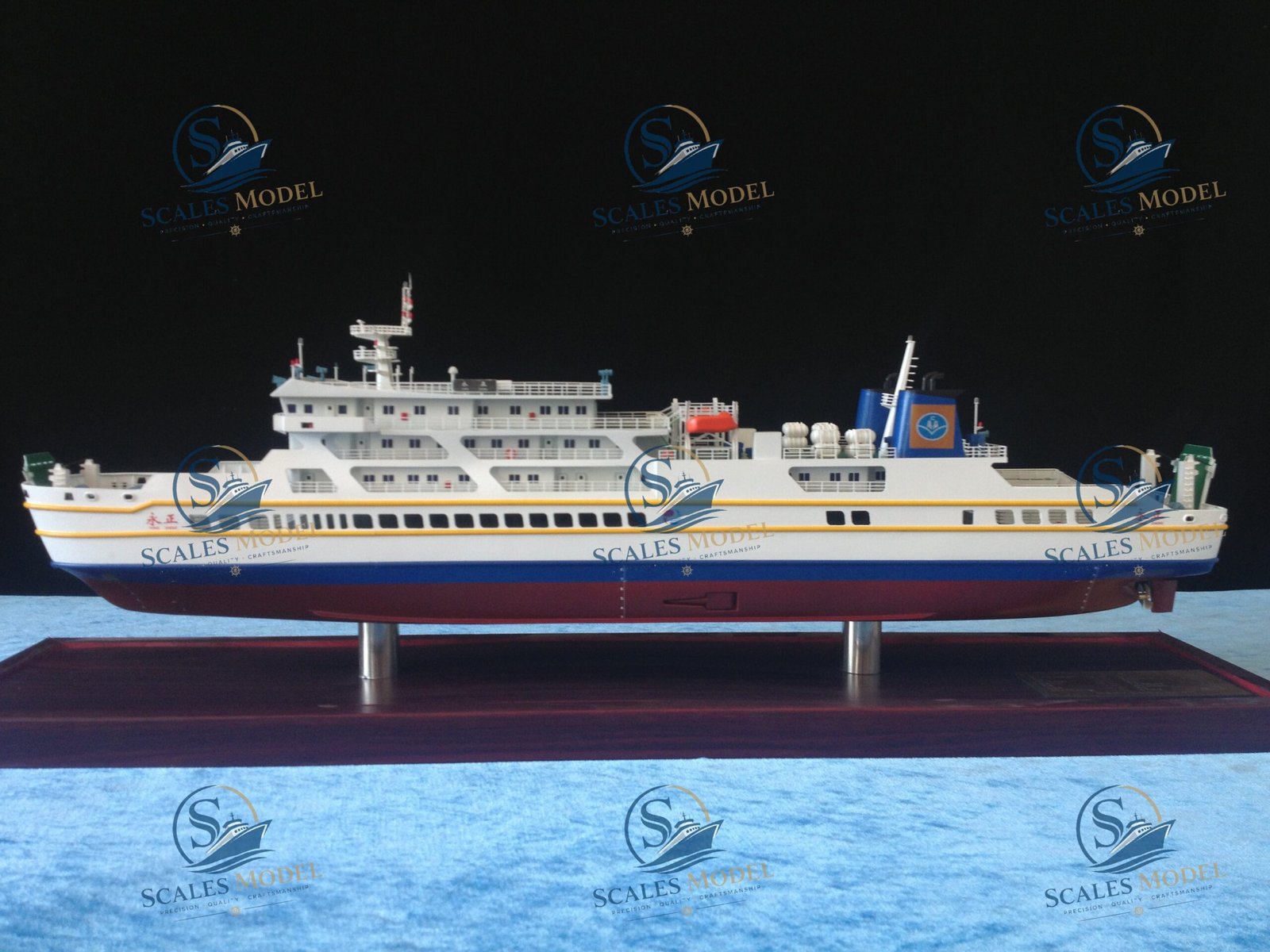
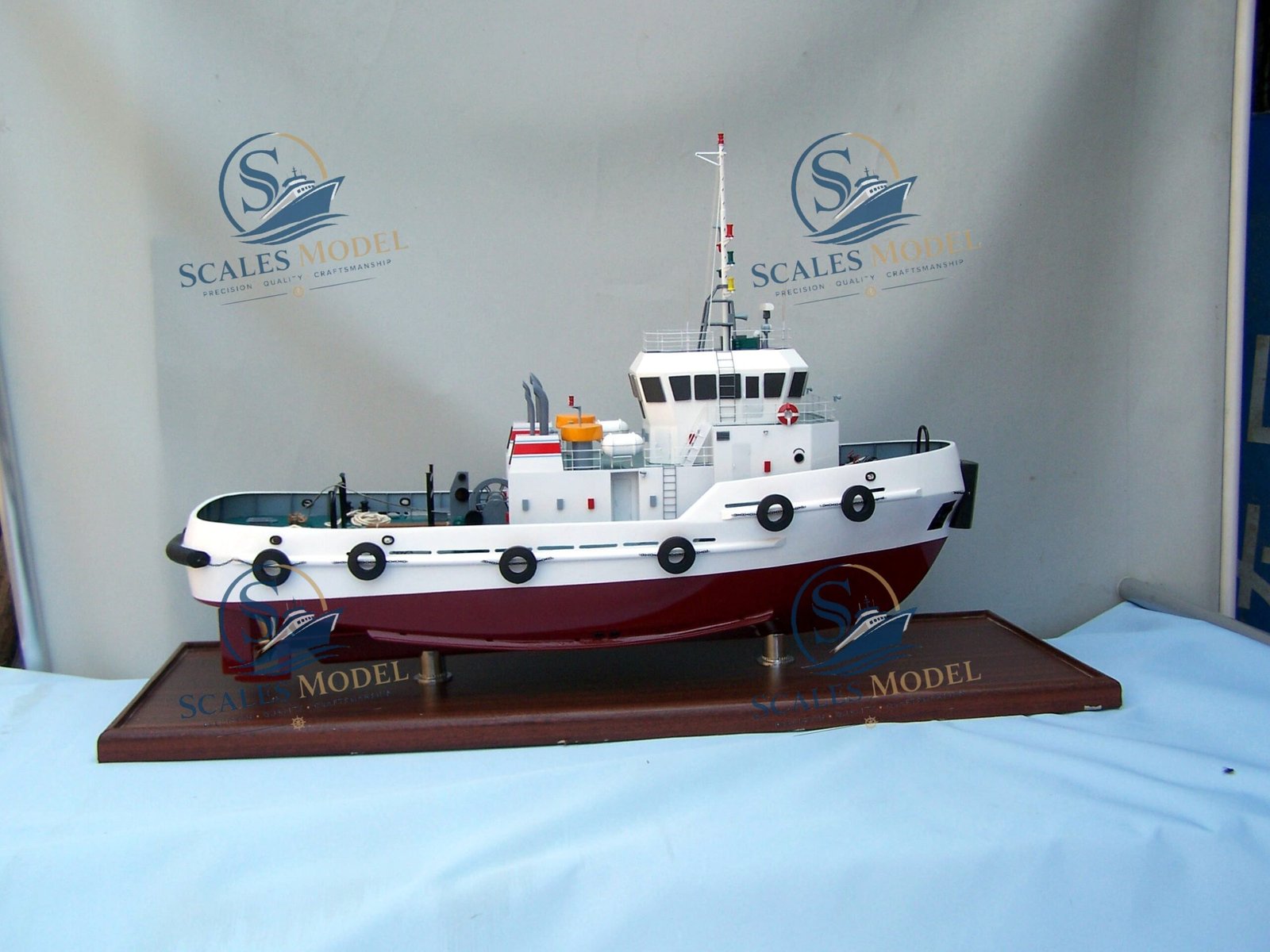
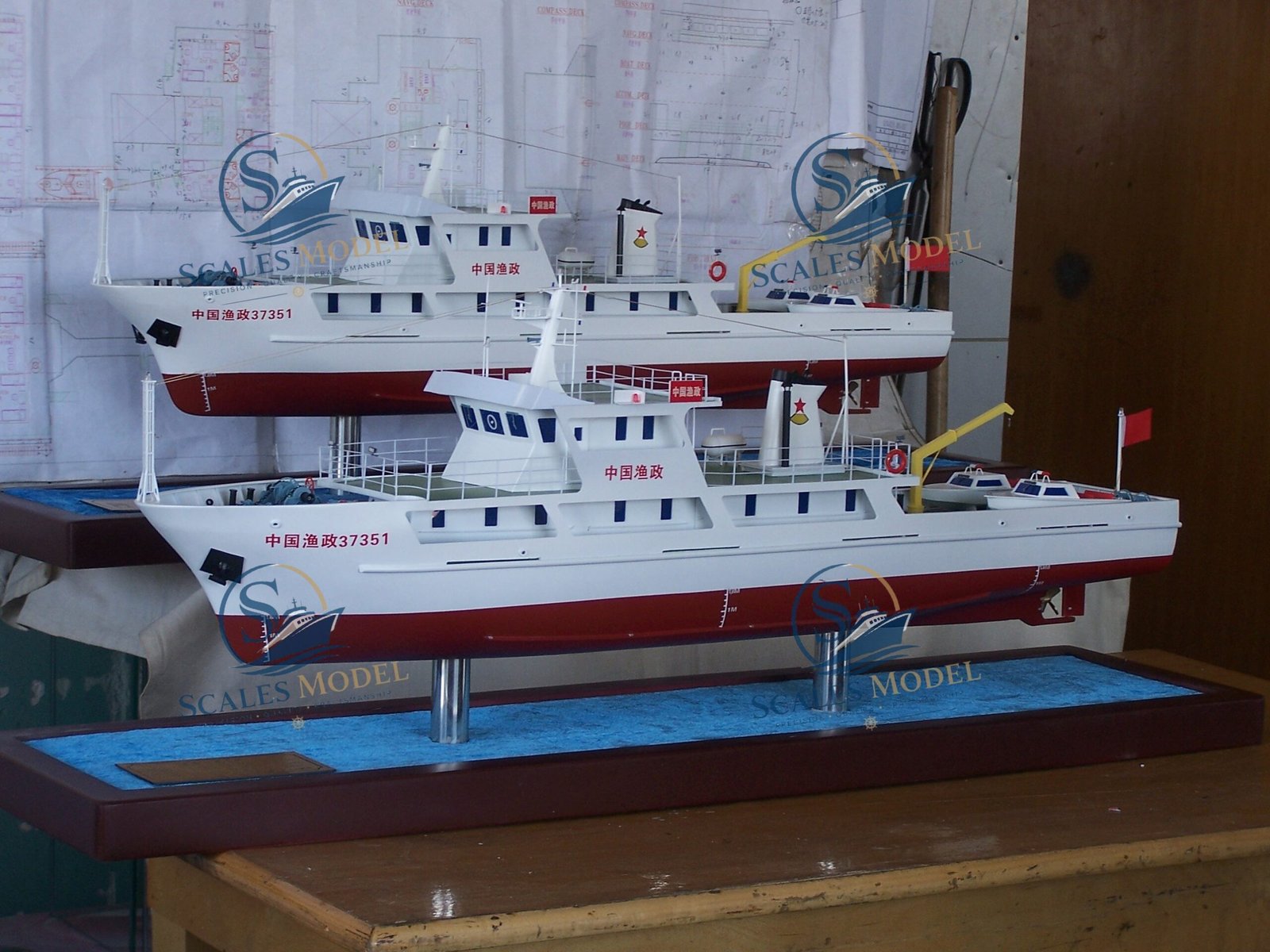
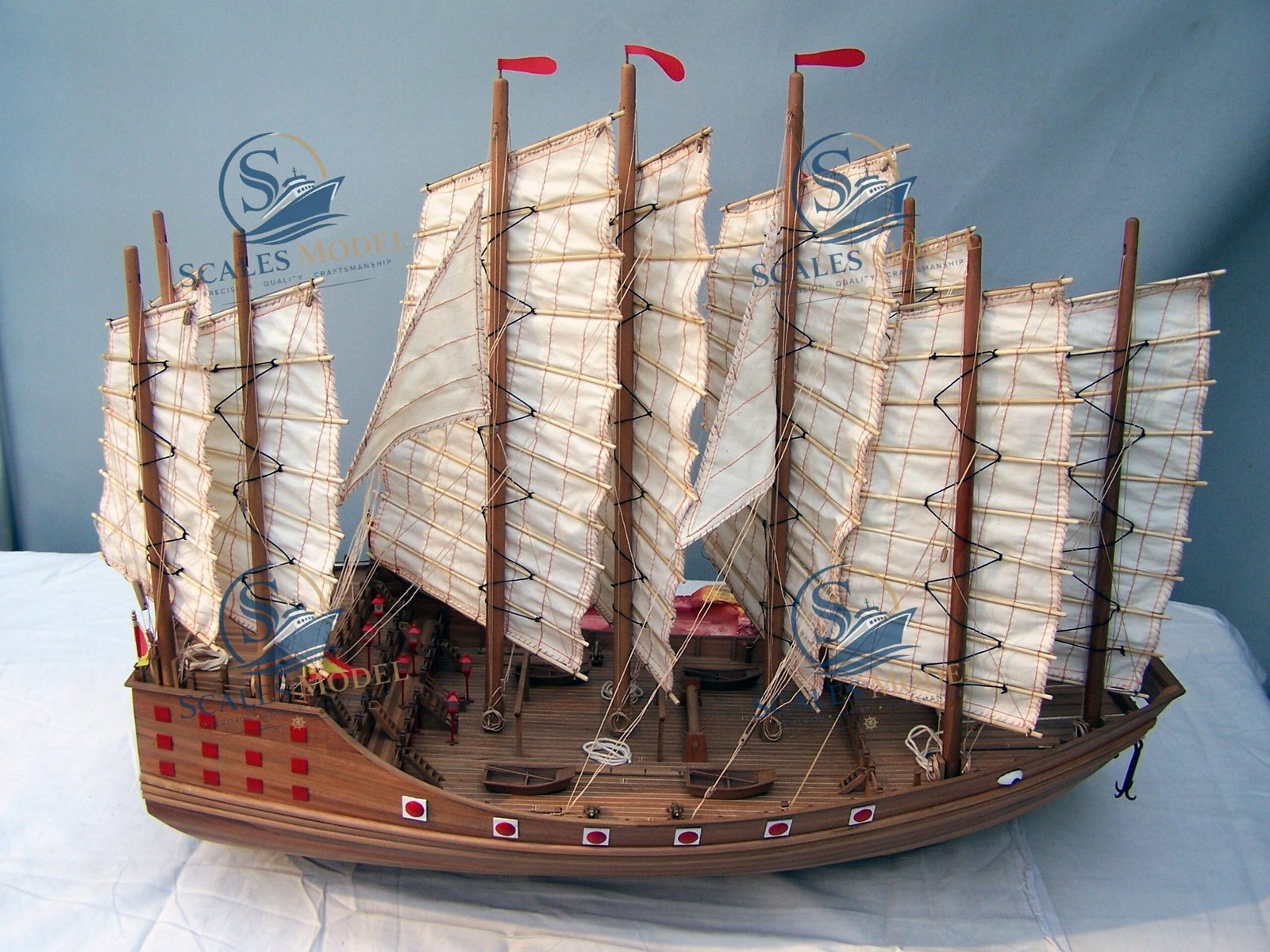
A custom ship model is a physical scale reproduction created around a particular vessel rather than a generic ship design. The model can reproduce the vessel's hull, superstructure, deck layout, cranes, lifeboats, masts, antennas, piping, railings, equipment, colors, vessel name and company branding.
Bei Maßstabsmodell, custom projects can be developed from general arrangement drawings, photographs, CAD information, vessel dimensions and other technical references. This makes the process suitable for commercial vessels, offshore vessels, FPSOs, container ships, bulk carriers, LNG/LPG carriers, yachts, cruise ships and other specialized marine projects.
If you are not sure what type of model you need, you can first explore the ship model categories and then determine which custom approach is most suitable for your project.
Step 1: Identify the Vessel You Want to Reproduce
Start With the Actual Vessel
The first step is to identify the exact vessel you want to reproduce. Provide the vessel name, vessel type and, when available, the IMO number, builder information or other identifying information.
This is particularly important when a vessel belongs to a larger class. Two vessels may have similar overall dimensions but different equipment, deck arrangements, paint schemes or company markings.
Scales Model can create custom models for many vessel categories, including commercial ships, offshore and FPSO vessels, container ships, bulk carriers, yachts, cruise ships, tugboats and other specialized vessels.
Step 2: Gather Your Vessel Information
The next step is to collect as much useful vessel information as possible. You do not necessarily need every type of document. The available references can be reviewed together before production begins.
- General arrangement drawings (GA drawings)
- Side elevation and profile drawings
- Deck plans and equipment layouts
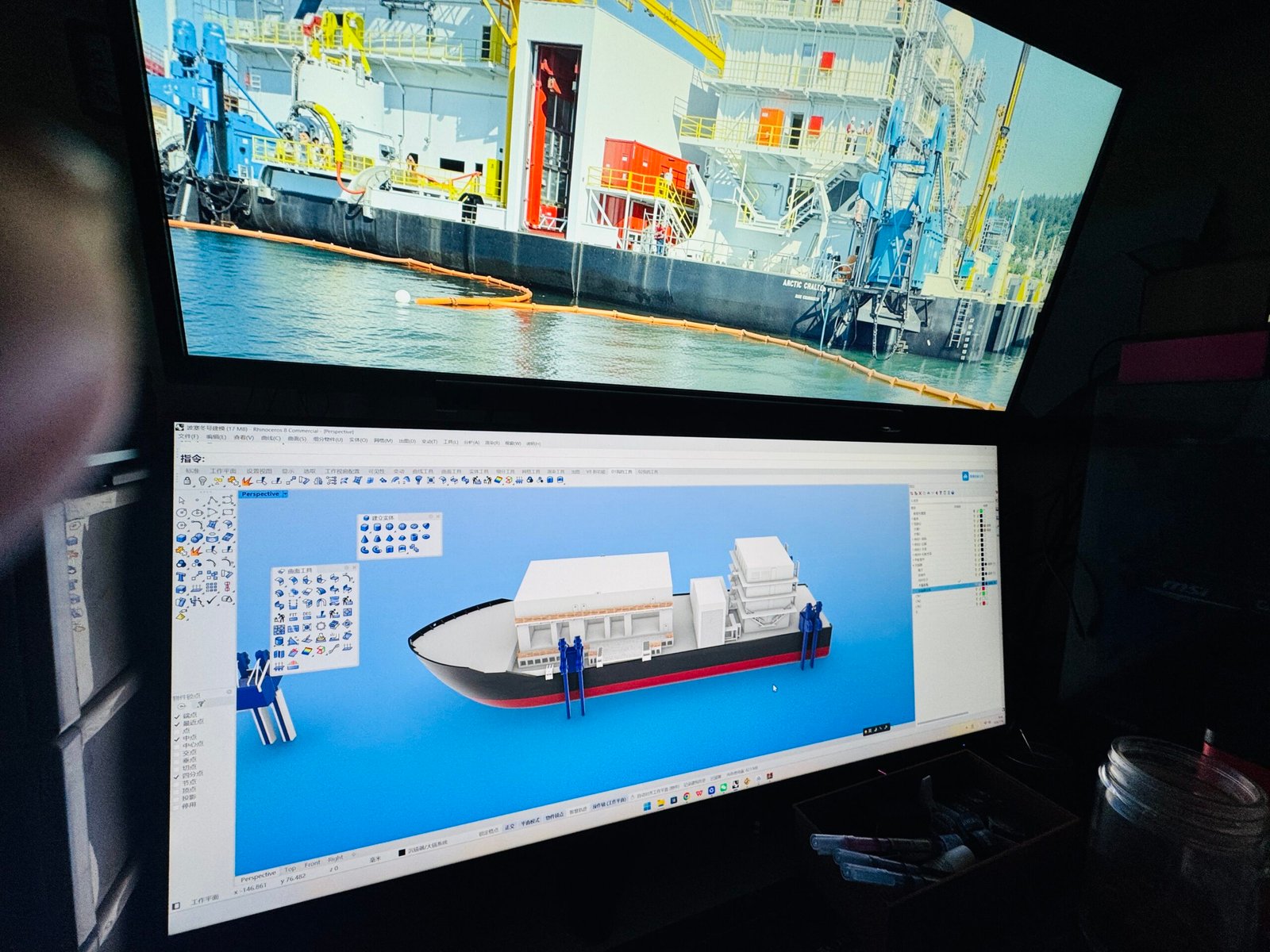
- CAD, DWG or other digital engineering files
- Clear photographs of the vessel
- Overall length, beam and height
- Equipment drawings or technical references
- Company logo and vessel branding
- Color references
- Preferred model scale or finished model length
- Required quantity
- Delivery destination
If you have technical drawings, see Erstellen Sie individuelle Schiffsmodelle anhand von Zeichnungen to understand how engineering references can be used during model development.
If drawings are not available, photographs may still provide enough information for certain projects. Learn more about building a custom ship model from photos.
Step 3: Choose the Right Model Scale
Decide the Finished Model Size
Model scale determines the relationship between the real vessel and the physical model. For example, a 1:100 scale model represents a vessel at one hundredth of its original dimensions.
The right scale depends on several factors:
- The overall size of the original vessel
- The available display space
- The desired finished model length
- The amount of detail required
- The intended purpose of the model
- The transportation and packaging requirements
If you are unsure which scale to choose, visit the Scales Model Ship Model Scale Guide for more information about scale selection and finished model dimensions.
Step 4: Decide the Level of Customization
A custom ship model can range from a relatively simple presentation model to a highly detailed museum or engineering model. Before requesting a quotation, consider which features are important for your project.
Hull and Superstructure
The hull profile, bow, stern, waterline, deck levels, bridge and accommodation structures can be reproduced according to the supplied vessel information.
Deckausrüstung
Depending on the vessel, customization can include cranes, winches, hatch covers, anchors, piping, lifeboats, davits and other visible deck equipment.
Vessel Name and Branding
Vessel names, hull markings, company logos, funnel graphics, corporate colors and other visible identification details can be incorporated into the model.
Display Base and Plaque
For corporate, museum or commemorative applications, a professional display base and information plaque can be added with the vessel name, owner, shipyard, model scale or other project information.
You can also explore the Ausstellungsmodelle für Unternehmen section if the model is intended for an office, headquarters, showroom or business presentation.
Step 5: Request a Custom Ship Model Quote
Send Your Project Details
Once your vessel information is ready, send the project details to Scales Model for review. A useful quotation request should include:
- Vessel name and type
- Available drawings or photographs
- CAD or engineering files, if available
- Preferred scale or approximate model length
- Quantity required
- Display requirements
- Delivery destination
- Required delivery date, if applicable
- Any special details or branding requirements
The more clearly the project requirements are described, the easier it is to determine the appropriate modeling approach, scale and production scope.
Step 6: Review the Project and Production Plan
After the initial information is reviewed, the model project can be planned around the selected scale, vessel references, required details and intended application.
For technically complex projects, CAD information and engineering drawings can help establish proportions and component locations before physical production. Learn more about CAD & 3D Design for Custom Ship Models.
The production workflow generally progresses from project and reference review to scale planning, hull fabrication, superstructure and equipment construction, assembly, painting, detailing, inspection and final preparation.
You can see the complete ship model production process to understand how a custom model moves from technical references to a finished presentation model.
Step 7: Production, Finishing and Quality Inspection
From Model Construction to Final Inspection
Once the project enters production, the hull, superstructure, deck equipment and smaller components are fabricated and assembled according to the agreed project requirements.
Painting and finishing are then completed according to the vessel's colors, markings and branding. Fine components such as railings, antennas, masts, lights and deck fittings can contribute significantly to the visual identity of the finished model.
Before shipment, the completed model can go through a final visual inspection and protective preparation. This is particularly important for models containing delicate components.
Learn more about quality inspection und professional ship model packaging.
Step 8: Packaging and International Delivery
A custom ship model can contain many delicate components, including railings, cranes, antennas, masts, lifeboats and small deck fittings. Proper packaging is therefore an important part of the final project.
When requesting a quotation, provide the destination country or city and any specific delivery requirements. This allows the shipping arrangements to be considered together with the model production requirements.
For more information, visit the Scales Model Worldwide Shipping Seite.
What Should You Prepare Before Ordering a Custom Ship Model?
If you want to make the quotation process faster, prepare the following information before contacting a custom ship model manufacturer:
- Vessel: Name and vessel type
- Dimensions: Length, beam and height if known
- References: Drawings, photographs or CAD files
- Scale: Preferred scale or finished model length
- Quantity: Number of models required
- Details: Equipment, markings and branding requirements
- Application: Office, museum, exhibition, delivery or private gift
- Destination: City and country for delivery
- Timeline: Desired completion or delivery date
Tip: You Do Not Need to Have Every Drawing
Many customers worry that they cannot order a custom ship model because they do not have complete engineering drawings. In practice, the available information can be reviewed together.
Drawings can provide dimensional and structural information, while photographs can help show colors, markings, equipment appearance and the real-world configuration of the vessel. CAD files and known vessel dimensions can provide additional technical references.
If you only have photographs, start with Aus Fotos erstellen. If you have technical drawings, you can use Aus Zeichnungen bauen.
Frequently Asked Questions About Ordering Custom Ship Models
Can I order a custom model of my actual vessel?
Yes. A custom model can be developed around an individual vessel using available drawings, photographs, CAD files, dimensions, colors and other project references.
Can you make a ship model from photographs?
In many cases, yes. Clear photographs from multiple angles combined with known vessel dimensions can provide useful references for developing a custom model.
Can I choose my own model scale?
Yes. A project can generally be planned around a preferred scale or an approximate finished model length, depending on the vessel size, available display space and required level of detail.
Can the ship's name and company logo be added?
Yes. Vessel names, hull markings, company logos, corporate colors and other visible identification details can be customized according to the supplied references.
Can custom ship models be made for museums and exhibitions?
Yes. Custom marine models can be developed for museums, exhibitions, corporate displays, ship deliveries, engineering presentations and private collections. For museum projects, see Museum Ship Models.
Wie fordere ich ein Angebot an?
Send the vessel name and type, available drawings or photographs, preferred scale or finished model length, quantity, delivery destination and any special customization requirements through the Scales Model contact page.
Explore More Custom Ship Model Resources
Before placing an order, these Scales Model resources can help you understand the different stages of a custom marine model project:
- Maßgefertigte Schiffsmodelle
- Erstellen Sie individuelle Schiffsmodelle anhand von Zeichnungen
- Erstellen Sie individuelle Schiffsmodelle anhand von Fotos
- CAD und 3D-Konstruktion
- Leitfaden zu den Maßstäben von Schiffsmodellen
- Ship Model Production Process
- Custom Ship Model Portfolio
- Häufig gestellte Fragen zu maßgefertigten Schiffsmodellen
Ready to Order a Custom Ship Model?
Have a vessel you would like to recreate in scale? Send your vessel drawings, photographs, CAD files, preferred model scale and project requirements to Scales Model. The available information can be reviewed to determine the most suitable approach for your custom model.
Request a Custom Ship Model Quote
 German
  English
  Chinese
  Spanish
  French
  Indonesian
  Korean
  Japanese