船舶模型のスケールガイド
1:50、1:100、1:150、1:200 などの船舶模型の縮尺が何を意味するのかを理解し、 完成時の模型の長さを計算した上で、 船舶の大きさ、視認できる細部、展示スペース、 展示目的、および納品要件に基づいて縮尺を選択してください。
「1:100スケール」とはどういう意味ですか?
縮尺比とは、 実船に比べて模型がどれほど小さいかを表すものです。
で 1:100スケール、モデルの各 寸法は、実物大の船舶の 対応する寸法の100分の1 となっています。
例えば、全長 100メートルの実物の船舶は、 1:100の縮尺では全長が約 1メートルになります。 1:200の縮尺では、同じ船舶の全長は 約50センチメートルになります。
モデルの長さ(cm)= 船舶の長さ(メートル) × 100 ÷ 縮尺の分母。
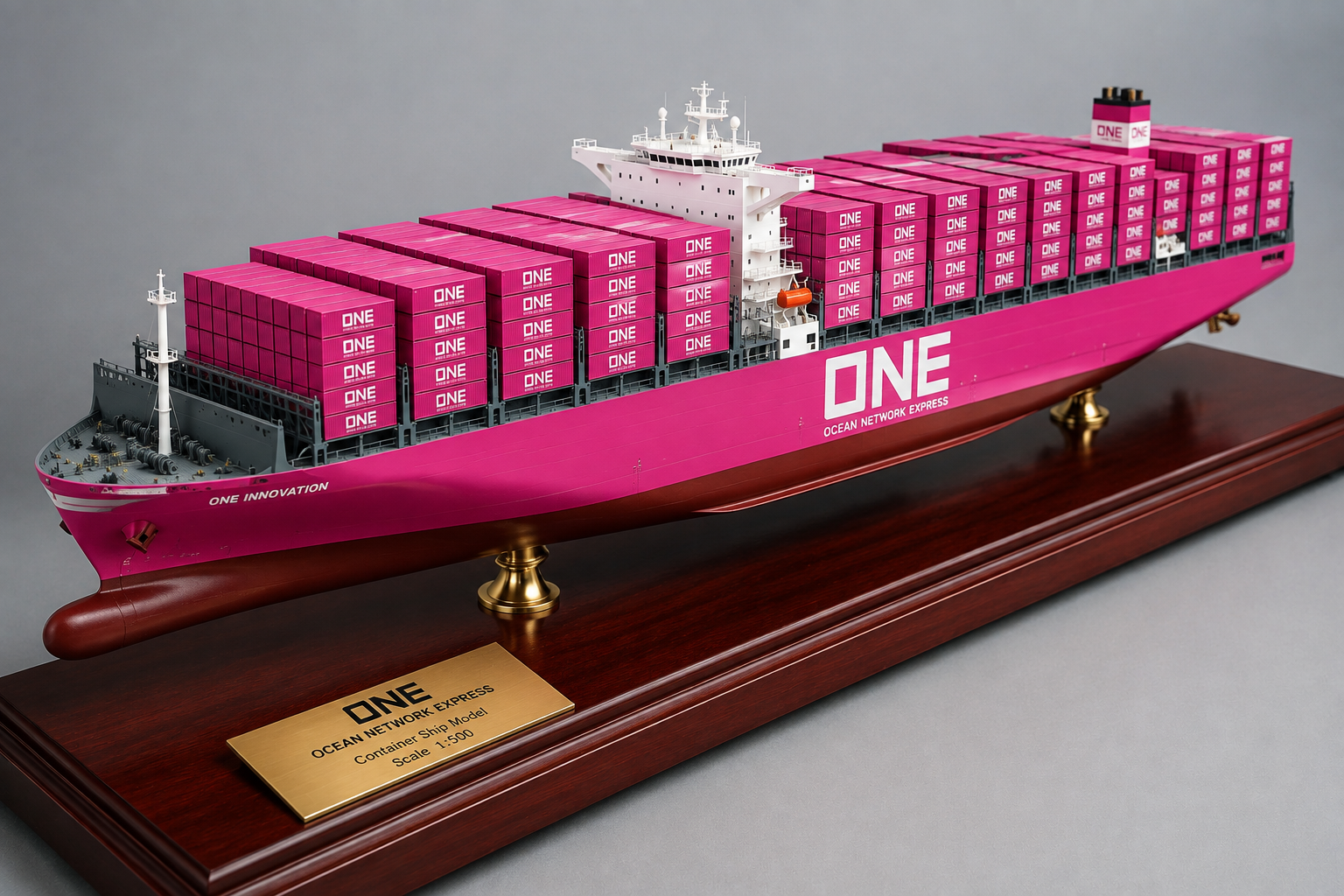
船舶模型のスケール計算ツール
既知のスケールから完成モデルの長さを 計算するか、目標とするモデルの長さに必要な おおよそのスケールを計算します。
船体全長 → モデル全長
船舶の全長を入力し、 縮尺を選択してください。
対象モデルの長さ → スケール
表示領域の おおよそのサイズがすでにわかっている場合にこれを使用してください。
計算機による結果は、数学的な計画値です。 最終的な実用モデルのスケールは、 船舶の複雑さ、展示台、保護ケース、 設置スペース、およびプロジェクトの要件に応じて調整される場合があります。
船舶模型のスケールの違いがプロジェクトに与える影響
これらは決まったルールというよりは、設計上の参考例です。 適切な縮尺は、実際の船舶 および模型の最終的な用途によって異なります。
最大限の物理的プレゼンス
比較的大きな模型を製作でき、 外観の細部を際立たせることができます。 小型の船舶や、 意図的に非常に大きな展示物が必要な プロジェクトにおいて、多くの場合、より実用的です。
大型船舶のプレゼンテーション
1:50スケールと比較して 全体的なサイズを縮小しつつ、 実物大に近い存在感を実現します。 至近距離での鑑賞や 細部までこだわった展示を重視する場合に最適です。
ディテールとシルエットの絶妙なバランス
個々のデッキ構造や船舶の 識別性が明確に認識されなければならない 多くのプロフェッショナルなディスプレイプロジェクトにおいて、 有用なプランニングの選択肢となります。
設置面積を削減した詳細仕様
中・大型の容器において、 見た目の細部が重要である一方で 表示スペースが限られている場合、 実用的な妥協案を提供できます。
コンパクトなプロフェッショナル向けディスプレイ
完成後の模型を扱いやすい状態に保つ必要がある、 大型の商用船舶、洋上施設、 およびその他の大規模な海洋プロジェクトにおいては、 しばしば検討する価値があります。
超大型船またはスペースが限られている場合
分母を大きくすることで、 完成モデルの寸法を縮小でき、 非常に長い船舶や艦隊、 あるいは展示スペースが限られている場合にも対応しやすくなります。
船体の全長と完成モデルの全長
以下の表は、いくつかの代表的な船舶サイズについて、 数学モデルの長さを示したものです。
| 実船長 | 1:50 | 1:75 | 1:100 | 1:150 | 1:200 | 1:250 | 1:300 |
|---|---|---|---|---|---|---|---|
| 50 m | 100 cm | 66.7 cm | 50 cm | 33.3 cm | 25 cm | 20 cm | 16.7 cm |
| 100 m | 200 cm | 133.3 cm | 100 cm | 66.7 cm | 50 cm | 40 cm | 33.3 cm |
| 150 m | 300 cm | 200 cm | 150 cm | 100 cm | 75 cm | 60 cm | 50 cm |
| 200 m | 400 cm | 266.7 cm | 200 cm | 133.3 cm | 100 cm | 80 cm | 66.7 cm |
| 250 m | 500 cm | 333.3 cm | 250 cm | 166.7 cm | 125 cm | 100 cm | 83.3 cm |
| 300 m | 600 cm | 400 cm | 300 cm | 200 cm | 150 cm | 120 cm | 100 cm |
モデルの長さには、 展示用台座、保護ケース、および展示環境に必要な追加スペースは含まれていません。
はかりを選ぶ前に考慮すべき8つのポイント
実船長
同じ縮尺で、 全長30メートルのタグボートと 全長300メートルのコンテナ船を モデル化すると、その長さは 劇的に異なるものになります。
必須項目
実物大の模型が大きいほど、 通常、手すり、配管、設備、 その他の小さな部品が見える スペースが広くなります。
展示スペース
モデル本体だけでなく、 その台座や保護用 ケース、そして周囲の展示スペースも考慮してください。
視聴距離
会議室のディスプレイを じっくりと見てみると、 大規模な 展示インスタレーションとは 優先順位が異なる場合がある。
船舶の複雑性
FPSO、オフショア船、 および高度に技術的な船舶には、 複数のレベルにわたって 緻密なディテールが含まれている場合があります。
輸送・梱包
非常に大型のモデルの場合、 より大きな保護用 梱包材が必要となり、配送計画もより綿密に立てる必要があります。
プロジェクトの目的
企業、博物館、 展示会、造船所、 およびエンジニアリング関連の展示では、 優先順位が異なる場合があります。
複数のモデル
艦隊の展示においては、 一貫した縮尺、 一貫した完成時の全長、 あるいはその他の統一された展示手法が有効である。
1:100 対 1:200 — その違いとは?
実 全長が200メートルの船舶を例として考えてみましょう。
より大きな実物大模型
1:100スケールでは、ディスプレイ用台座や 保護ケースを取り付ける前の状態で、船体の長さは約 2メートルになります。
これにより、実物としての存在感が大幅に向上する一方で、 ディスプレイやパッケージに割くスペースも かなり多く必要となります。
よりコンパクトなディスプレイ
1:200の縮尺では、その船舶の全長は およそ1メートルになります。
これは、企業のオフィスやショールーム、 展示会などでも導入しやすく、 かつ全体として強い存在感を 発揮できるでしょう。
スケール数が大きいほど、モデルは小さくなる
モデルのスケールについて議論する際、 これは最もよく見られる誤解の一つです。
1:50
実際の船は50等分されており、 その結果、比較的大きな模型が出来上がります。
1:100
同じ船を100で割ると、 1:50スケールのものの 半分の長さになります。
1:200
その船は、1:100スケールのモデルの 半分の長さになります。
1:300
モデルがよりコンパクトになり、 これは、非常に 長い船舶や、表示スペースが限られている場合に役立ちます。

船舶の種類によって、規模に関する課題も異なる
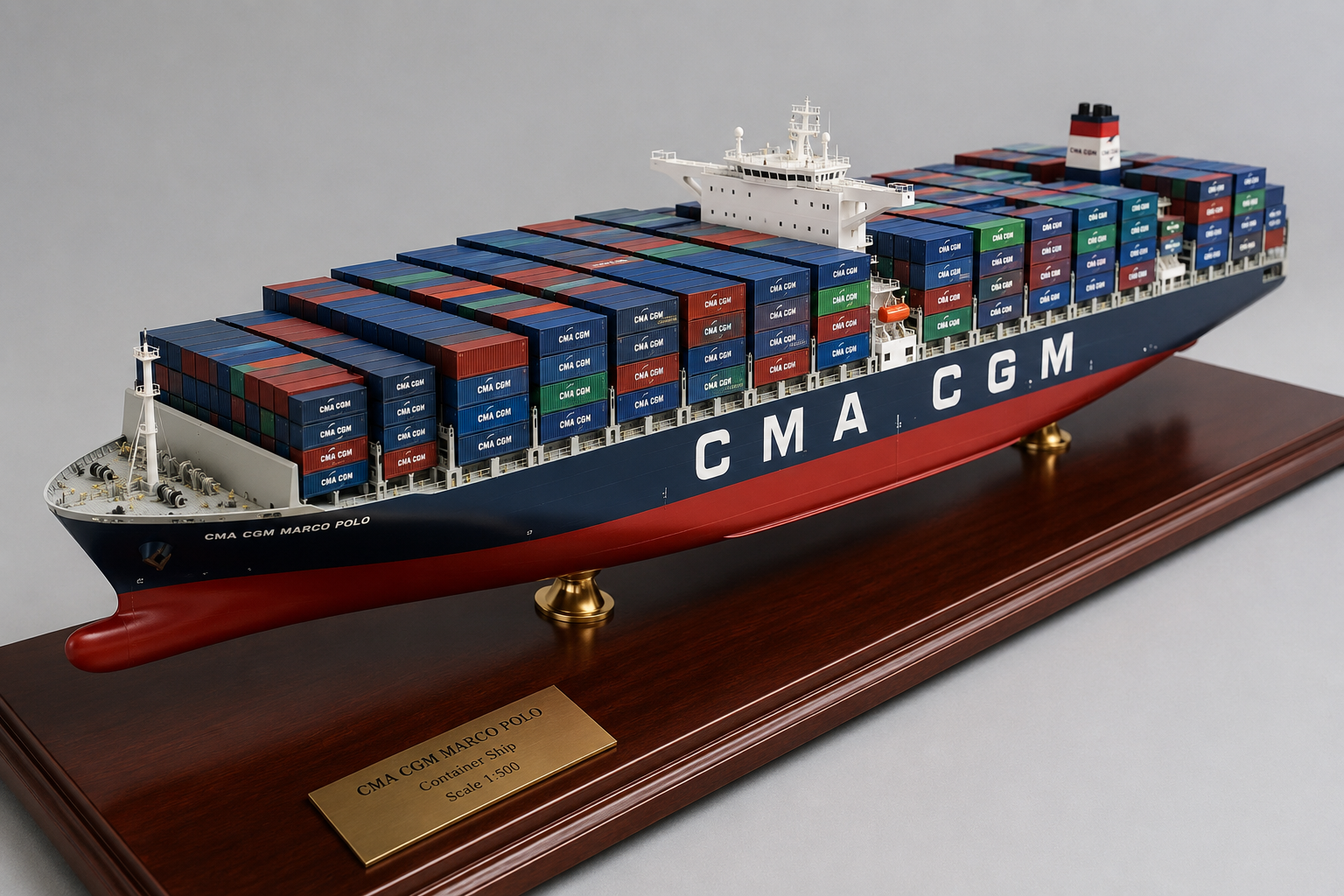
船体が長い場合は、サイズ計画を慎重に立てる必要がある
大型コンテナ船は、1/100や1/150のスケールで非常に大きな 模型を作ることができるため、スケールは 展示スペースの計画と併せて決定すべきである。

詳細の密度は、長さと同じくらい重要である
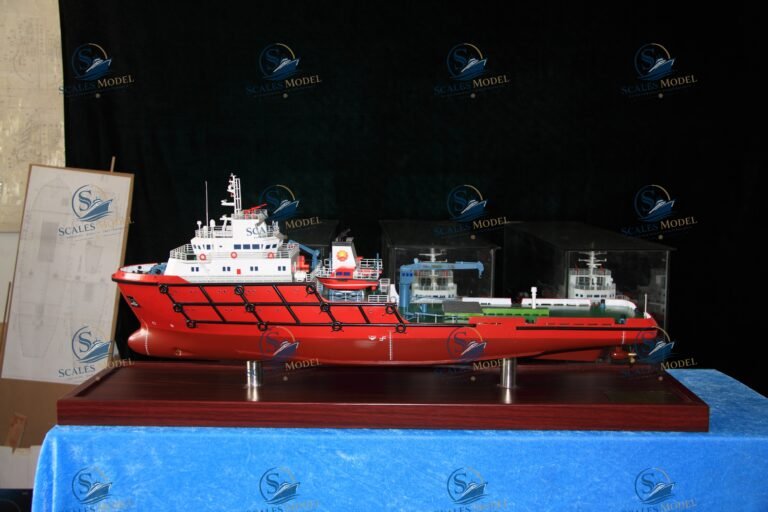
FPSOや技術的なオフショアモデルには、 プロセスモジュール、配管、クレーン、ヘリデッキ 、および物理的な詳細度の有用なレベルに影響を及ぼす その他の高密度な構造物が含まれている場合があります。
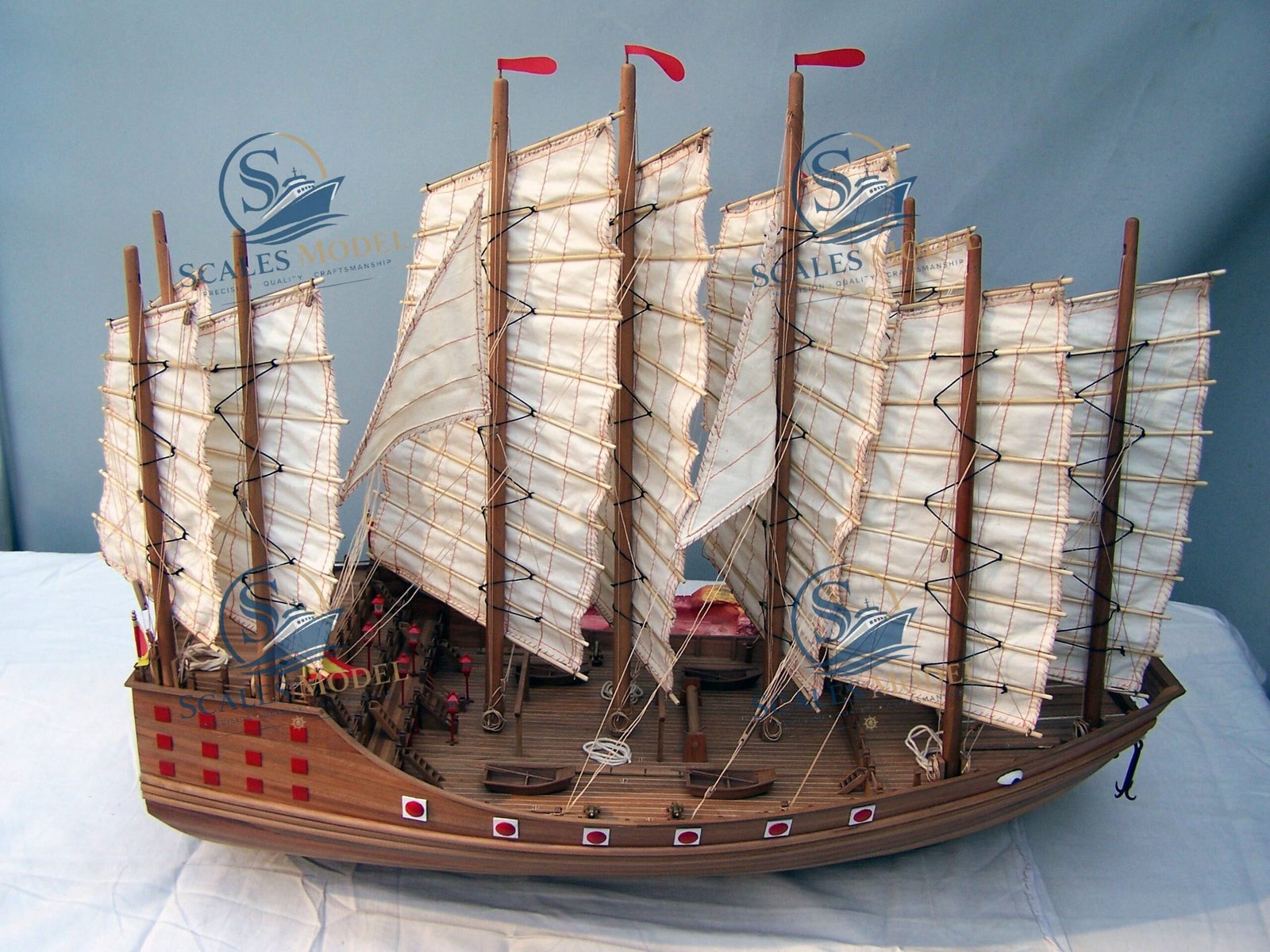
リギングとマストは実用スケールに影響を与える
歴史的船舶の建造プロジェクトでは、 マスト、ヤード、 帆、索具が視覚的に効果を発揮できるよう、十分な 物理的な大きさが必要となる場合があります。

実船が小型であればあるほど、より大きなモデル比に対応できる
船体を短くすることで、完成した模型の 展示スペースを扱いやすい範囲に抑えつつ、 より大きな物理的スケールを実現できる可能性があります。
完成モデルの希望の長さに応じて、スケールを選択できます
スケールを決める最も簡単な方法は、 オフィスやショールーム、展示会場の 利用可能なスペースから検討することである。
例えば、実際の船の 全長が300メートルだとします。しかし、 完成した船の模型は 全長がおよそ120センチメートルになるようにしたいとします。
数学的な目標値はおおよそ 1:250スケール .
その後、最終的なプロジェクトの規模を、 船舶の複雑さ、求める詳細度、 および完成時の展示サイズと照らし合わせて検討することができます。
目標スケールを算出する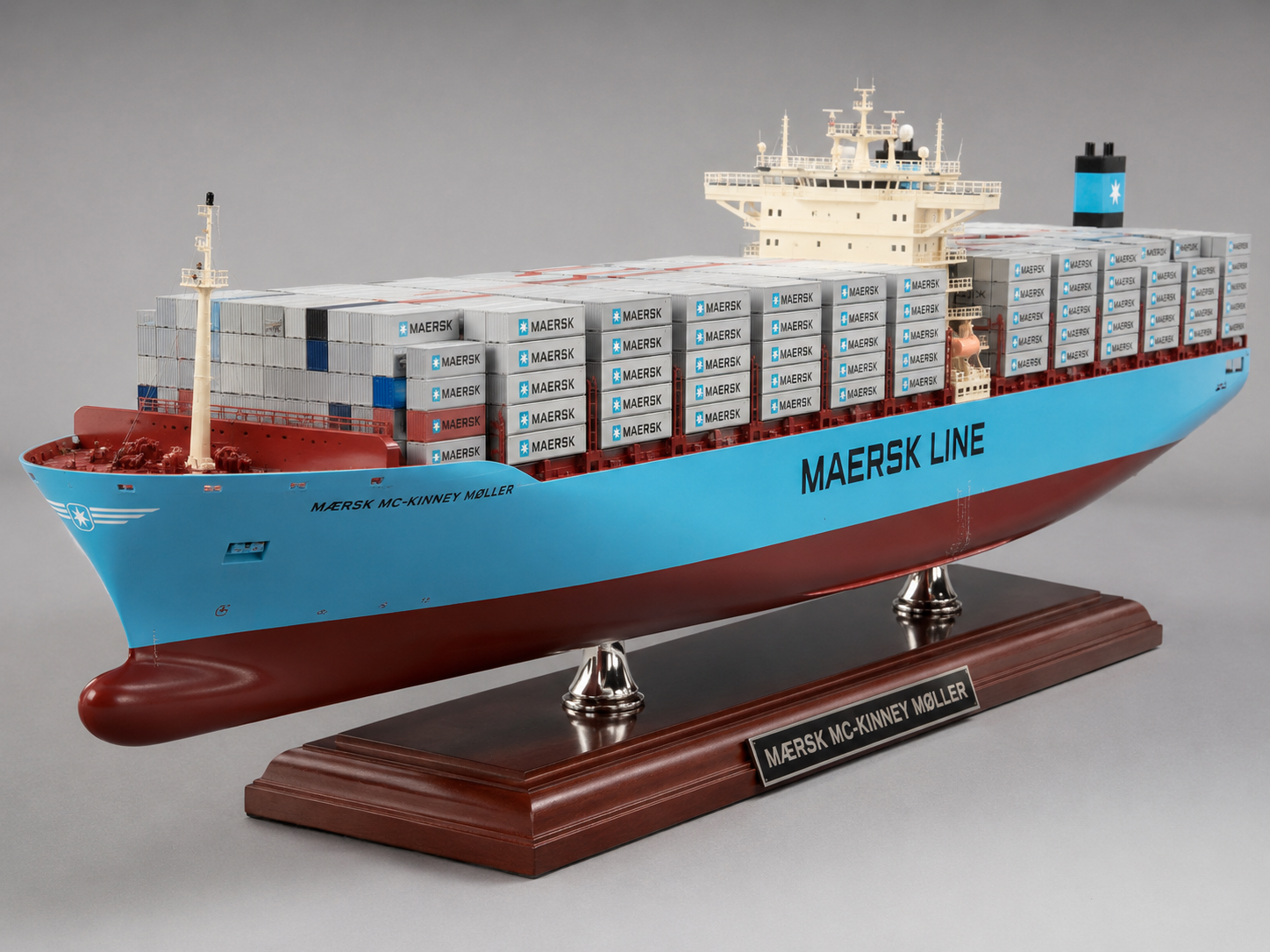
同じスケールか、それとも同じ完成時の長さか?
複数の船舶をまとめて展示する場合、 これら2つのアプローチでは、結果が大きく異なります。
同じ縮尺
すべてのモデルで同じ縮尺が使用されています。 したがって、全長300メートルの船舶は、 全長100メートルの船舶よりも 物理的に大きく見えるため、 この表示によって船舶の 実際の相対的な大きさが伝わるようになっています。
同等の完成時の長さ
船舶ごとに異なる 縮尺を使用することで、各モデルの 表示サイズをほぼ同じにすることができます。 これにより、より統一感のある 企業イメージを演出することができます。
混合表示戦略
展示会や企業の展示の 目的に応じて、 重要なフラッグシップ船は より大型にできる一方で、 サポート役の艦艇モデルは よりコンパクトなままにすることができます。
「最適」なスケールは、そのモデルに求められる機能によって異なる
すべての特注船模型に 当てはまる唯一の正しいスケールというものはありません。
企業向けディスプレイ
細部へのこだわり、視覚的な存在感、 そして実用的なオフィス空間。
海事展
設置距離、 ブースの寸法、および搬入・搬出について検討してください。
博物館の展示
展示の解釈、 細部への配慮、および 利用可能な展示ケースの寸法を考慮してください。
造船所のプレゼンテーション
バランスベッセル詳細 顧客へのプレゼンテーション およびショールームでの長期使用に対応。
工学プレゼンテーション
外部構造を優先し、 可視性を維持する必要がある 設計上の関係を明確にする。
実用的な6段階のスケール選定プロセス
船舶の長さを確認する
まずは船舶の 全体的な実寸から始めましょう。
表示スペースの測定
利用可能な キャビネットや展示スペースを検討してください。
詳細レベルを定義する
どの外観の ディテールをそのまま残すべきかを特定してください。
計算オプション
考えられるいくつかの スケール比を比較する。
配送について
台座、 ケース、および梱包サイズを明記してください。
最終的なスケールを確認する
実用的な プロジェクト規模を選択してください。

船舶模型のスケール計画に関するリソース
また、Marine Ship Models社は、模型のスケールや、 船舶の大きさ、視覚的なディテール、 展示スペースがスケールの選択にどのように 影響するかを解説する教育的な 情報も提供しています。
これらの外部リソースは、 カスタムプロジェクトを開始する前に スケール比を比較する際、 一般的な背景情報を補完する役割を果たします。
規模はプロジェクトの要件の一部に過ぎない
おおよそのスケールが判明したら、 次のステップとして、船舶の参考資料、 詳細要件、および製造情報を確認します。
スケール、計画、およびカスタム船舶モデルのリソース
船舶模型のスケール – よくある質問
船舶模型において、「1:100スケール」とはどういう意味ですか?
1:100の模型は、1:200の模型よりも大きいですか?
船舶モデルの全長はどのように計算すればよいですか?
1:200スケールで、全長300メートルの船はどのくらいの長さになりますか?
1:250スケールの300メートルの船は、どのくらいの長さになりますか?
特注の船の模型には、どのようなスケールが最適でしょうか?
大型コンテナ船にはどのようなスケールが適していますか?
FPSOの模型には、どのようなスケールが適していますか?
すべての機体モデルは同じスケールにするべきでしょうか?
スケールの選定依頼には、どのような情報を送ればよいですか?
船舶の長さと利用可能な表示スペースをお知らせください
Scales Modelでは、船舶の寸法、 プロジェクトの参考資料、ご希望の詳細度、 および展示環境を確認し、お客様専用の実物大船舶模型に 最適なスケールを決定するお手伝いをいたします。
船舶の詳細を送信し、見積もりを依頼する Japanese
  English
  Chinese
  Spanish
  German
  French
  Indonesian
  Korean