Historical Ship Model Manufacturer: Custom Scale Models That Preserve Maritime History
Maritime history is filled with remarkable vessels that transformed exploration, international trade, naval engineering and human civilization. A professionally crafted historical ship model brings these stories into a physical form, helping museums, collectors, educational institutions and maritime organizations preserve the appearance and significance of historic vessels.
Marine Ship Models provides custom ship model solutions based on available vessel references, photographs and technical information. From traditional sailing ships to historically significant commercial and naval vessels, each project can be planned around its intended scale, display environment and level of detail.
Discuss Your Historical Ship Model 船の模型の種類を見てみようWhat Does a Historical Ship Model Manufacturer Do?
A historical ship model manufacturer creates scale representations of vessels from earlier periods, using historical records and available visual or technical references to guide the design and production process.
Unlike a generic decorative miniature, a custom historical model may need to reproduce a particular vessel's hull profile, deck arrangement, rigging, masts, gun ports, lifeboats, superstructure and period-specific features. The appropriate details depend on the vessel, its era and the evidence available.
A well-planned model can help visitors understand a vessel's design while giving museums and private collections a distinctive maritime display.
Explore Our Maritime Applications →
Built around your references. Each project can be tailored to the vessel, selected scale and intended display purpose.
Types of Historical Ship Models We Can Help Recreate
Different historical periods require different modeling approaches. The vessel's structure, construction methods, decorative features and available references all influence the final result.
Historic Sailing Ships
Models of sailing vessels can feature period-inspired hull forms, multiple masts, sails, rigging, yards, deck structures and other recognizable details. They are suitable for maritime heritage collections and traditional ship displays.
Explore Ship Model Types →Historic Naval Vessels
Historical naval models can represent battleships, frigates, patrol vessels and other military ships from specific periods. Hull proportions, armament, superstructure and paint schemes can be developed from available references.
Explore Marine Ship Models →Historic Merchant Ships
Merchant vessels and early cargo ships illustrate the development of seaborne trade. Their models can support exhibitions about shipping routes, port history, shipbuilding and the evolution of commercial transportation.
View Maritime Applications →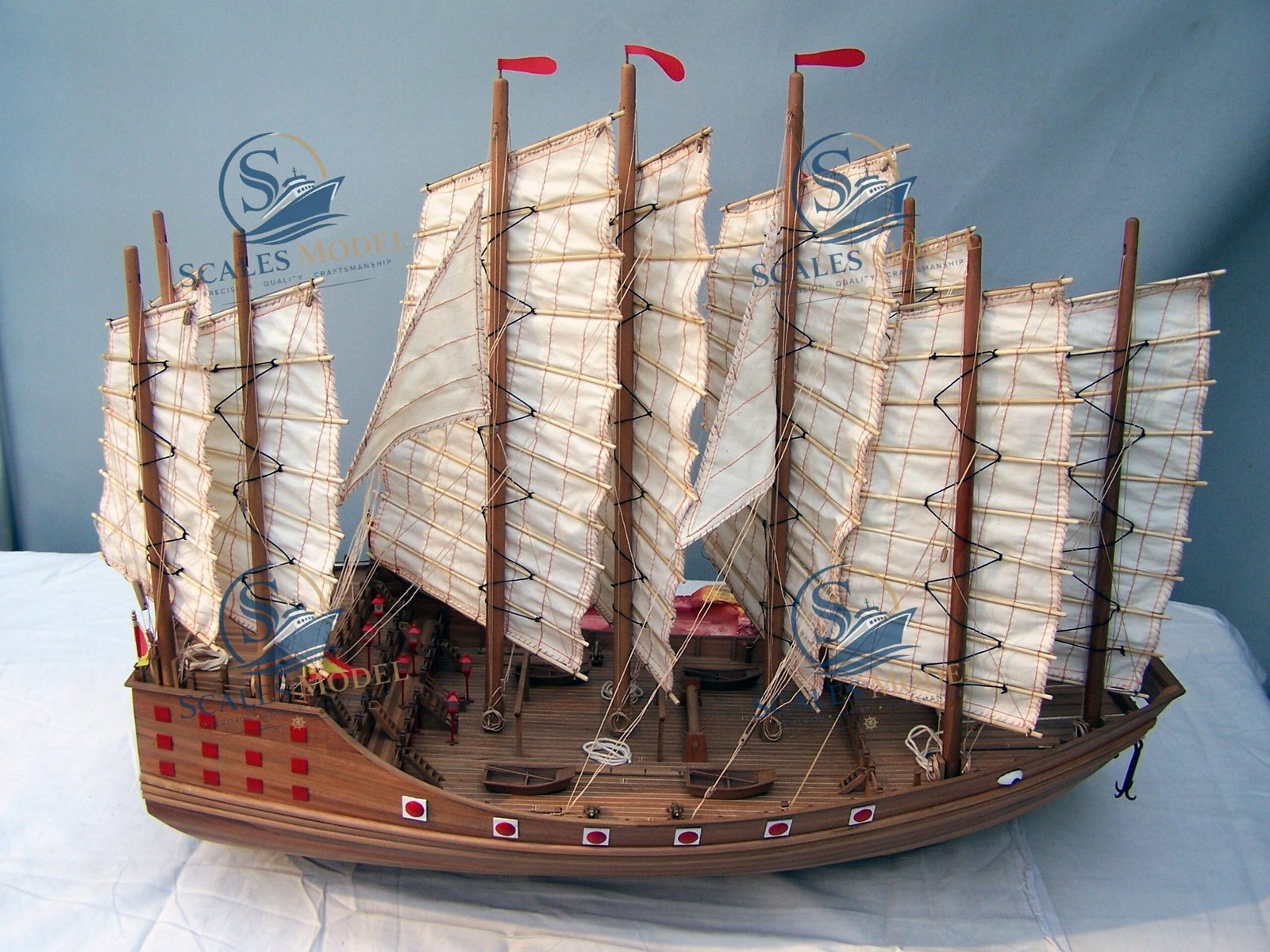
Custom Historical Ship Models for Museums and Exhibitions
Museums and heritage organizations use ship models to make maritime history easier to understand. A physical model allows visitors to examine a vessel's overall shape, deck layout and structural details in a way that photographs alone may not provide.
Historical ship models can be developed for:
- Permanent maritime museum collections
- Temporary historical exhibitions
- Shipbuilding and naval history displays
- University and educational projects
- Private collections and heritage gifts
- Corporate displays celebrating maritime heritage
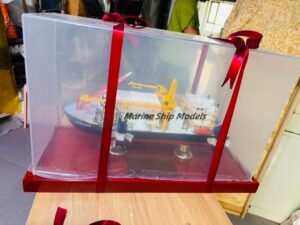
Display bases, engraved nameplates and protective cases can also be discussed according to the project requirements.
Read About Museum-Quality Ship Models →How Historical Ship Models Are Developed
Reproducing an older vessel requires a clear understanding of the available historical evidence. The level of achievable accuracy depends on the quality and completeness of the source material.
Historical Reference Review
Gather archival photographs, original plans, museum references, illustrations, written specifications and other available documentation. Conflicting or incomplete evidence should be identified before detailed production begins.
Scale and Design Planning
Establish the vessel's known dimensions and select a practical model scale. Translate the available information into model proportions while considering the intended display space and important visible features.
Construction and Detailing
Develop the hull, deck structures, masts, rigging, fittings and other features appropriate to the vessel. Materials and production techniques are selected according to the design and project requirements.
Painting and Identification
Apply the agreed color scheme, finish and vessel identification details. Historical colors and markings should be based on documented evidence whenever reliable references are available.
最終検査
Review proportions, alignment, visible details and overall presentation. Where historical evidence is incomplete, any necessary interpretation should be discussed as part of the project.
Display and Packaging
Consider the finished display base, optional acrylic showcase and suitable transport protection. Larger or fragile models may need a project-specific packaging solution.
Choose the Right Scale for Your Historical Ship Model
The right scale depends on the original vessel's dimensions, available display space, required detail and project budget. Larger models can accommodate more visible components, but they also require more space and more careful handling and transport.
Compact Display Models
Suitable for desks, personal collections, educational displays and projects where space is limited.
Medium Exhibition Models
A practical option for offices, galleries and smaller museum exhibits seeking a balance between presence and display space.
Large Museum Models
Designed for prominent displays where hull form, rigging, deck structures and other visible details can be presented at a larger size.
Calculate the approximate model length by dividing the original vessel's length by the selected scale denominator. For example, a 60-meter vessel at 1:200 scale would have a model length of approximately 30 centimeters, before considering any additional display components.
Discuss Scale and DimensionsWhat Information Is Needed to Order a Custom Historical Ship Model?
You do not necessarily need a complete modern CAD file to begin a historical model project. The most useful starting point is the vessel's identity and the historical information already available.
- Vessel identification: Ship name, type, historical period and known dimensions.
- Reference materials: Original plans, archival photographs, paintings, illustrations or museum documentation.
- Preferred scale: A known ratio or approximate finished model length.
- Historical detail requirements: Important structural features, colors, markings and equipment.
- Quantity and application: Museum exhibition, education, collection, corporate display or gifts.
- Display requirements: Base, nameplate, protective showcase and installation space.
- Delivery information: Destination country, city and any required delivery deadline.
If some information is missing, provide what you have. The available references can be reviewed to determine the most appropriate next steps.
Request a Project ReviewHistorical Ship Model Manufacturer FAQs
Can you manufacture a historical ship model from old photographs?
Photographs can provide a starting point, especially when multiple views are available. The feasibility and achievable detail depend on image quality, vessel dimensions and how much of the structure is visible. Original plans and additional historical references can improve the result.
Can a model be made for a maritime museum?
Yes. Custom ship models can be planned for museum collections, historical exhibitions and educational displays. Scale, presentation, detailing and protective packaging should be discussed according to the exhibition's needs.
Which materials are suitable for historical ship models?
Material selection depends on the vessel, required finish, model size and budget. Wood, modern model-making materials and selected 3D-printed components may be appropriate for different projects. The final material specification should be confirmed during project planning.
Can you reproduce a specific ship rather than a generic historical vessel?
Custom production can be planned around a named vessel using available historical documentation. The more reliable the references, the easier it is to establish the vessel's individual characteristics and distinguish it from a generalized period design.
How much does a custom historical ship model cost?
Pricing depends on model dimensions, selected scale, structural complexity, detail requirements, materials, quantity, display case and shipping. Providing the vessel name, reference images and target size will help establish a project-specific quotation.
Learn How to Evaluate a Ship Model Manufacturer →Can the model include a display case and engraved nameplate?
Display bases, engraved identification plates and protective showcases can be considered as part of the specification. The final arrangement depends on the model's size, display environment and transportation requirements.
Looking for a Historical Ship Model Manufacturer?
Whether you are preserving a historic sailing ship, recreating a significant naval vessel or developing a maritime heritage exhibition, Marine Ship Models can review your project requirements and available references.
Send us the vessel name, historical photographs, original plans, preferred scale or approximate model dimensions, quantity and intended application. We can then discuss a suitable manufacturing approach for your project.
Contact Marine Ship Models Explore Our Custom Model Services
 Japanese
  English
  Chinese
  Spanish
  German
  French
  Indonesian
  Korean