How Scales Model Manufactures Custom Ship Models
From vessel drawings and CAD references to fabrication, finishing, inspection, protective packaging and worldwide delivery, Scales Model develops custom physical ship models through a structured manufacturing workflow for commercial, offshore, yacht, historic and specialist marine projects.
Custom Manufacturing Begins Before Fabrication
A detailed ship model starts with understanding the vessel rather than immediately producing individual parts.
General arrangement drawings, photographs, CAD files, vessel dimensions and branding information can first be reviewed to identify hull geometry, superstructure, deck equipment and other visible characteristics.
The model can then be planned around a suitable physical scale, material approach, detail level and final presentation requirement.
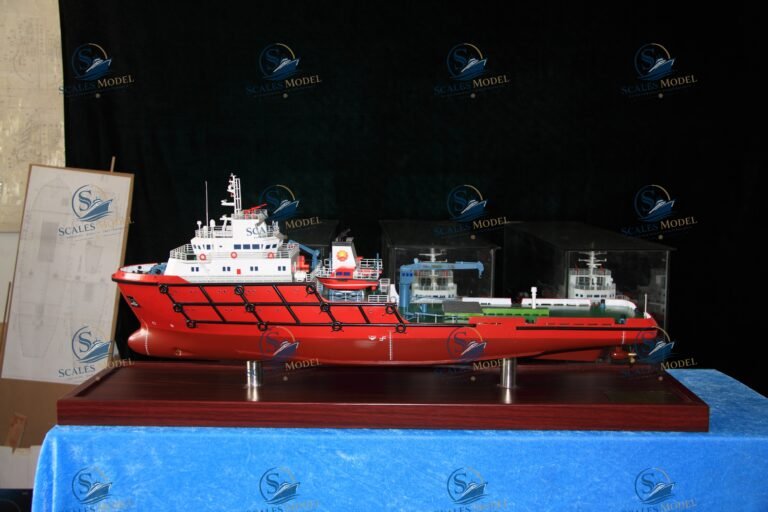
Explore the Complete Manufacturing Workflow
Each stage of the model project has its own role, from choosing materials through final international delivery.
자료
Explore material selection for hulls, structures, small components, clear parts, bases and detailed marine model construction.
Explore Materials →생산 공정
Follow the manufacturing route from reference review and scale planning through fabrication, assembly and finishing.
View Production Process →품질 검사
Review the final visual details, alignment, finish, markings and presentation before the model is packed.
품질 검사 →포장
Protect delicate railings, antennas, masts, cranes and other components during handling and transportation.
Explore Packaging →전 세계 배송
Prepare the completed ship model for delivery to shipowners, shipyards, companies, museums and other clients.
전 세계 배송 →From Project Brief to Finished Display Model
Complex vessel models are easier to manage when production is divided into clear manufacturing stages.
Project & Reference Review
Review vessel type, drawings, photographs, dimensional information, CAD references, branding and intended display use.
규모 계획
Convert full-size vessel dimensions into the selected model scale and establish an appropriate detail hierarchy.
Hull Development
Reproduce the vessel's bow, stern, waterline and principal hull geometry.
상부 구조
Build bridge levels, accommodation, deckhouses, windows and major structures.
갑판 장비
Add cranes, winches, piping, lifeboats, railings and vessel-specific equipment.
도장 및 마감
Apply hull colors, deck finishes, vessel markings and other visible surfaces.
Branding & Identity
Add vessel names, hull lettering, company logos and corporate colors.
Final Presentation
Complete display base, project plaque, final inspection and preparation for packaging.
Drawings & CAD Help Define What Must Be Manufactured
A complex vessel can contain many different external structures. Careful reference interpretation helps organize those structures before physical production begins.
Hull Proportions
Principal dimensions and profiles establish the basic geometry of the physical model.
갑판 배치
Drawings help determine the location of deckhouses, hatches, cranes and other equipment.
부품 계획
Complex vessel geometry can be separated into practical parts for manufacturing and assembly.
Visual Cross-Check
Photographs can supplement technical references with real-world colors, markings and appearance.
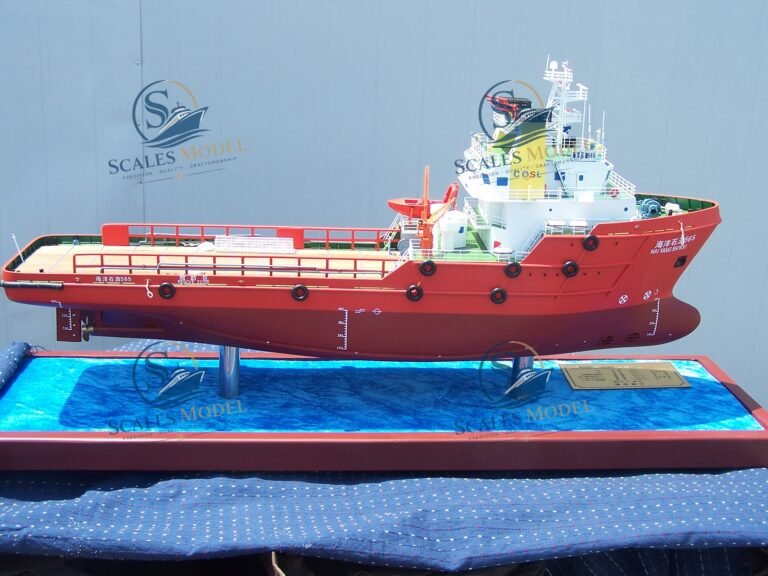
Different Parts of a Ship Model Have Different Requirements
A finished vessel model combines large structural forms with very small detailed parts, transparent elements, painted surfaces and presentation components.
Hull Structure
The hull requires stable geometry, clean surface preparation and an appropriate base for final finishing.
상부 구조
Bridge blocks, deckhouses and external structures require dimensional consistency and clean assembly.
정밀 부품
Railings, ladders, antennas, cranes and piping require materials suitable for small-scale detail.
Transparent Parts
Windows and selected clear components require clean installation and careful finishing.
Masts & Railings
Thin structural components require careful handling during both production and final transportation.
Paint & Surface Finish
Color consistency and clean masking contribute strongly to the appearance of the finished model.
디스플레이 받침대
The base supports the model and creates a finished presentation suitable for professional display.
프로젝트 명판
Identification plaques can present vessel, owner, builder, scale or project information.
Production Can Start From Different Reference Packages
도면을 바탕으로 제작
General arrangement drawings, profiles and deck layouts provide technical dimensional references.
도면을 바탕으로 제작 →사진으로 만들기
Existing vessel photographs can help establish real-world appearance, colors, equipment and markings.
사진으로 만들기 →CAD 및 3D 설계
Digital reference data can help organize complex structures, geometry and component development.
CAD 및 3D 설계 →Manufacturing Detail Becomes More Important as Vessel Complexity Increases
Offshore vessels, technical working ships and complex commercial vessels may include large numbers of cranes, platforms, piping systems, antennas, railings and other external components.
Breaking the project into structural, equipment, finishing and inspection stages helps turn complex vessel information into an organized physical display model.
Important Areas to Review Before Packaging
Final inspection helps identify visual or assembly issues before the completed model enters the packaging and delivery stage.
Overall Proportions
Review hull, superstructure and major vessel relationships against the project references.
Alignment
Check masts, cranes, railings, deckhouses and visible structural alignment.
Paint Finish
Review color boundaries, painted surfaces and overall visual consistency.
갑판 장비
Review visible cranes, winches, piping and specialist equipment.
Names & Markings
Confirm vessel lettering, logos, hull markings and corporate identity.
Final Presentation
Review display base, plaque and overall condition before protective packaging.
Protect the Finished Model for Delivery
A detailed ship model may include thin railings, radar structures, antennas, cranes, masts, lifeboats and many other delicate components.
Once production and inspection are complete, the next objective is to protect the finished model through handling, packaging and transportation.
최종 검사
Confirm condition before the model enters the packaging stage.
보호 포장
Plan protection around the model's size, weight and delicate components.
배송 준비
Prepare the project for shipment to its final display destination.
The Final Use Influences How the Model Is Planned
Corporate Fleet Models
Vessel replicas prepared for headquarters, offices and fleet display.
Delivery Models
Newbuilding models for customer presentation and vessel delivery.
기술 모델
Complex offshore projects with detailed structures and equipment.
시제품 모델
Physical representations of new vessel and engineering concepts.
Trade Show Models
Models planned for strong visual impact and professional presentation.
박물관 모형
Physical vessel displays for heritage and educational environments.
Premium Display Models
Detailed vessel models for owners, designers and luxury display.
프레젠테이션 모델
Custom projects for showrooms, reception areas and customer meetings.
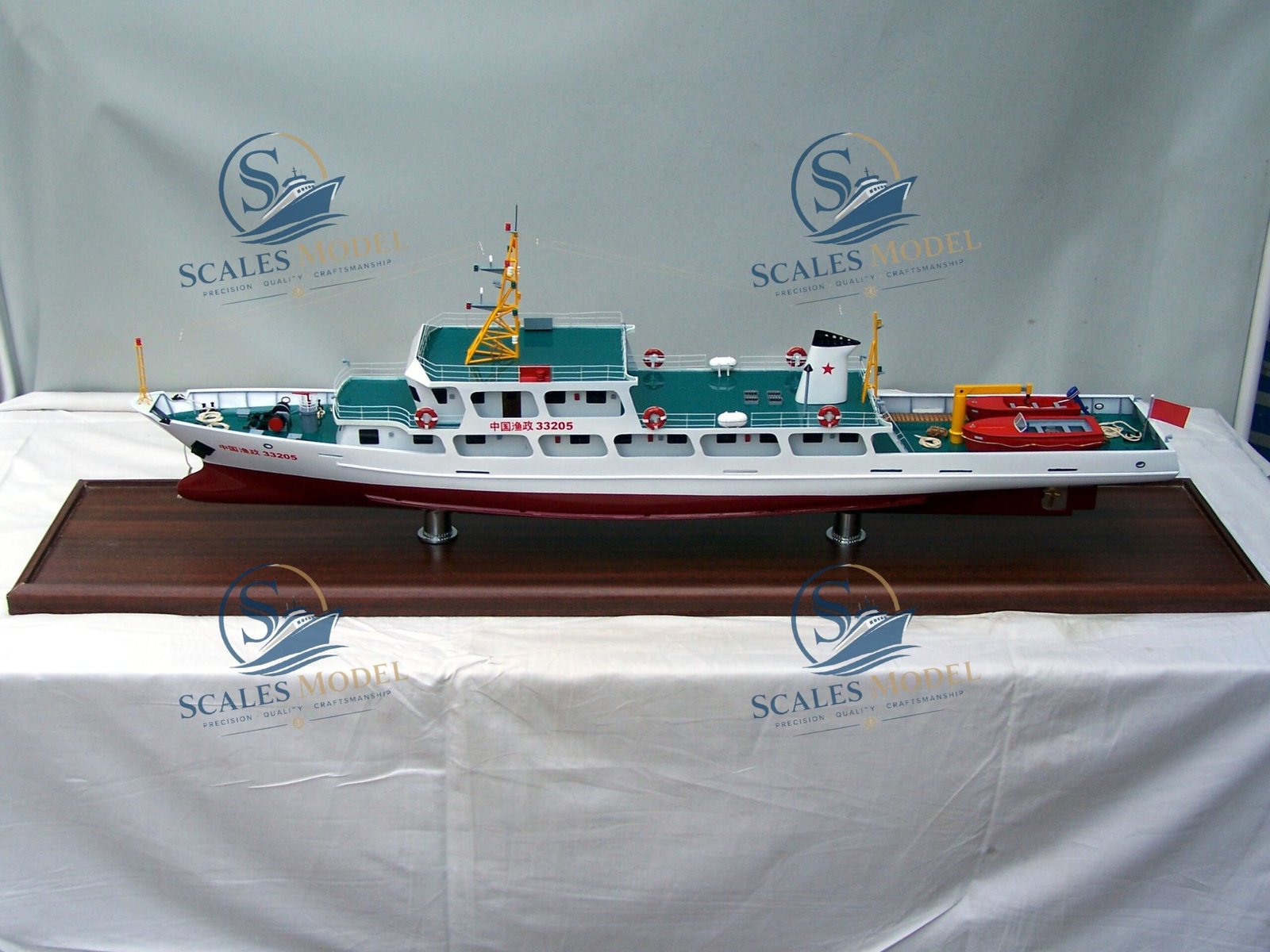
Different Vessel Types Require Different Manufacturing Detail
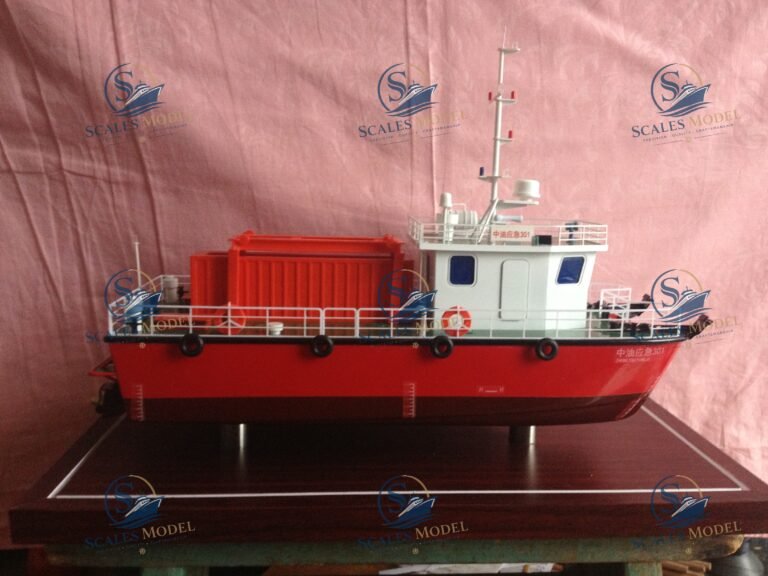
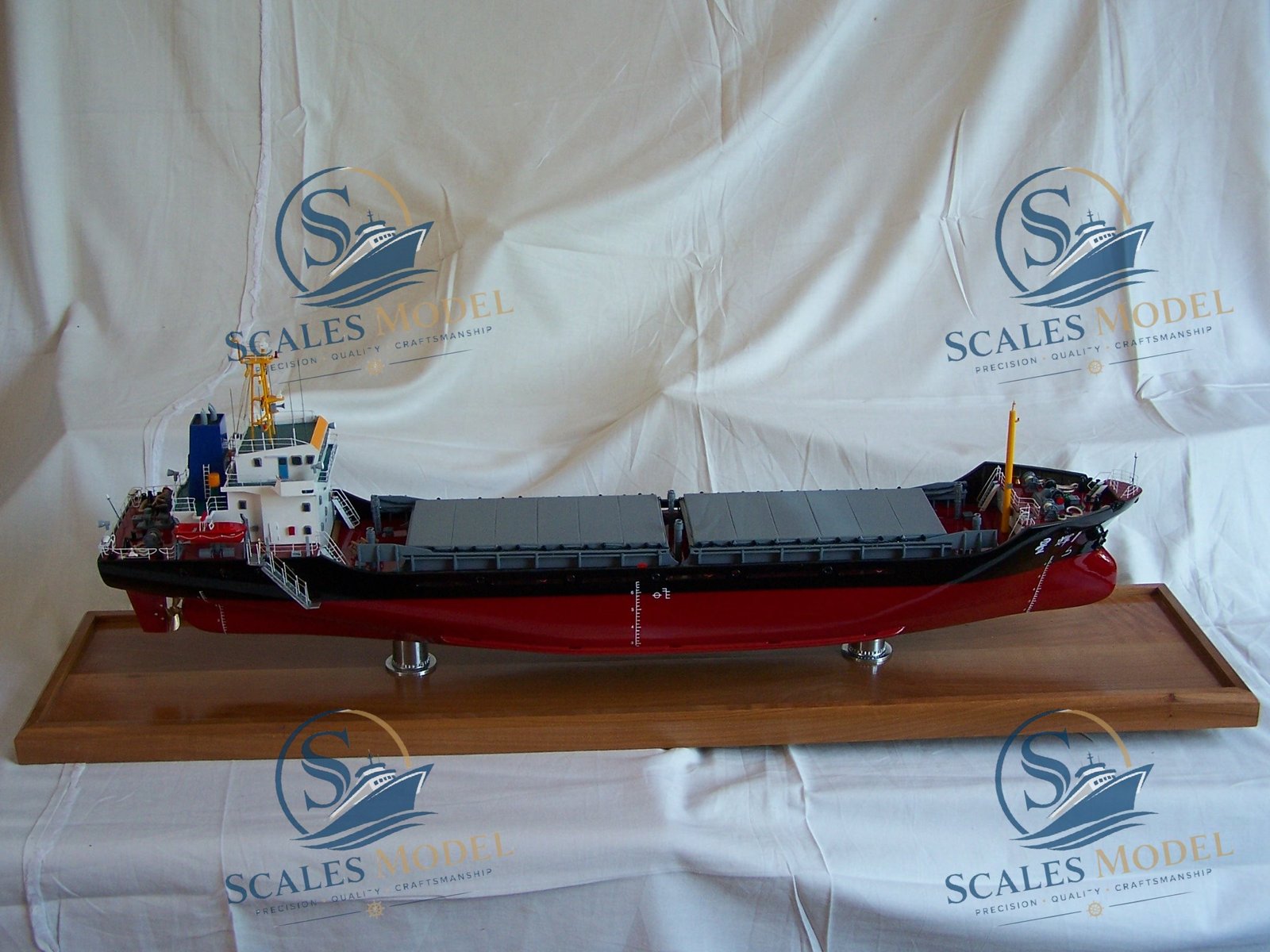
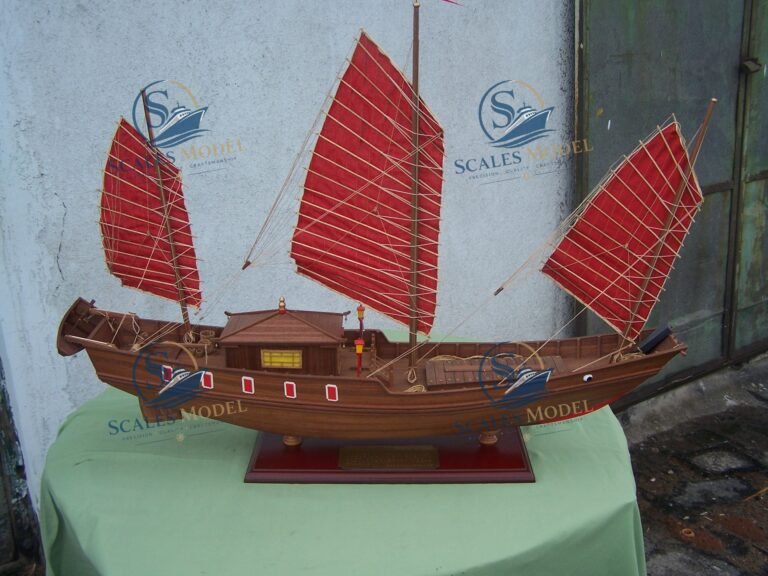
Selected Scales Model website photographs showing different hulls, working decks, superstructures, equipment arrangements and display finishes.
Continue Into Each Manufacturing Stage
자료
Learn more about materials and how different model components require different approaches.
Explore Materials →생산 공정
Follow the detailed manufacturing workflow from reference preparation to final model finishing.
생산 공정 →품질 검사
Explore final checks for structure, alignment, finish, branding and presentation.
품질 검사 →포장
Learn how detailed ship models can be protected for handling and transportation.
포장 →전 세계 배송
Continue from manufacturing and packaging to final project delivery worldwide.
전 세계 배송 →Start Your Model
Send vessel drawings, photos, CAD files and project requirements for a custom model review.
Request a Quote →Manufacturing, Models & Project Resources
Custom Ship Model Manufacturing – FAQ
How does custom ship model manufacturing begin?
Can a ship model be manufactured from technical drawings?
Can you manufacture a model from photographs?
Can CAD files be used during ship model manufacturing?
How is the model scale selected?
What parts of a ship are reproduced during manufacturing?
Is there a quality inspection before packaging?
How are delicate ship models prepared for transportation?
Can finished ship models be shipped internationally?
What should I send to start a custom ship model project?
Ready to Start Manufacturing Your Custom Ship Model?
Send Scales Model your vessel drawings, photographs, CAD files, preferred model scale and project requirements. The available references can be reviewed to determine an appropriate manufacturing approach from initial planning through final presentation and delivery.
프로젝트 세부 정보 보내기 및 견적 요청 Korean
  English
  Chinese
  Spanish
  German
  French
  Indonesian
  Japanese