Ship Models for Maritime Museums
Scales Model creates custom ship and marine models for maritime museums, cultural institutions, heritage centers and public exhibitions. From traditional sailing vessels and historic merchant ships to modern commercial, naval, offshore and specialist vessels, physical scale models can help museums communicate maritime history, ship design and marine technology in three dimensions.
Make Maritime History Visible in Three Dimensions
Ship models allow museum visitors to understand vessel form, construction, deck arrangement and maritime technology in a way that flat images and written descriptions alone cannot provide.
A physical model can show the relationship between hull, decks, masts, sails, machinery, cargo areas, bridge structures and other vessel-specific features from multiple viewing angles.
Museum projects can focus on one historically significant ship, an evolution of vessel types, regional maritime heritage or a broader story about shipping, fisheries, naval history and offshore development.
How Maritime Museums Use Ship Models
Physical vessel models can support different types of public interpretation, collections and educational programs.
Permanent Collections
Build vessel models for long-term maritime heritage collections and dedicated ship galleries.
Historic Ship Exhibitions
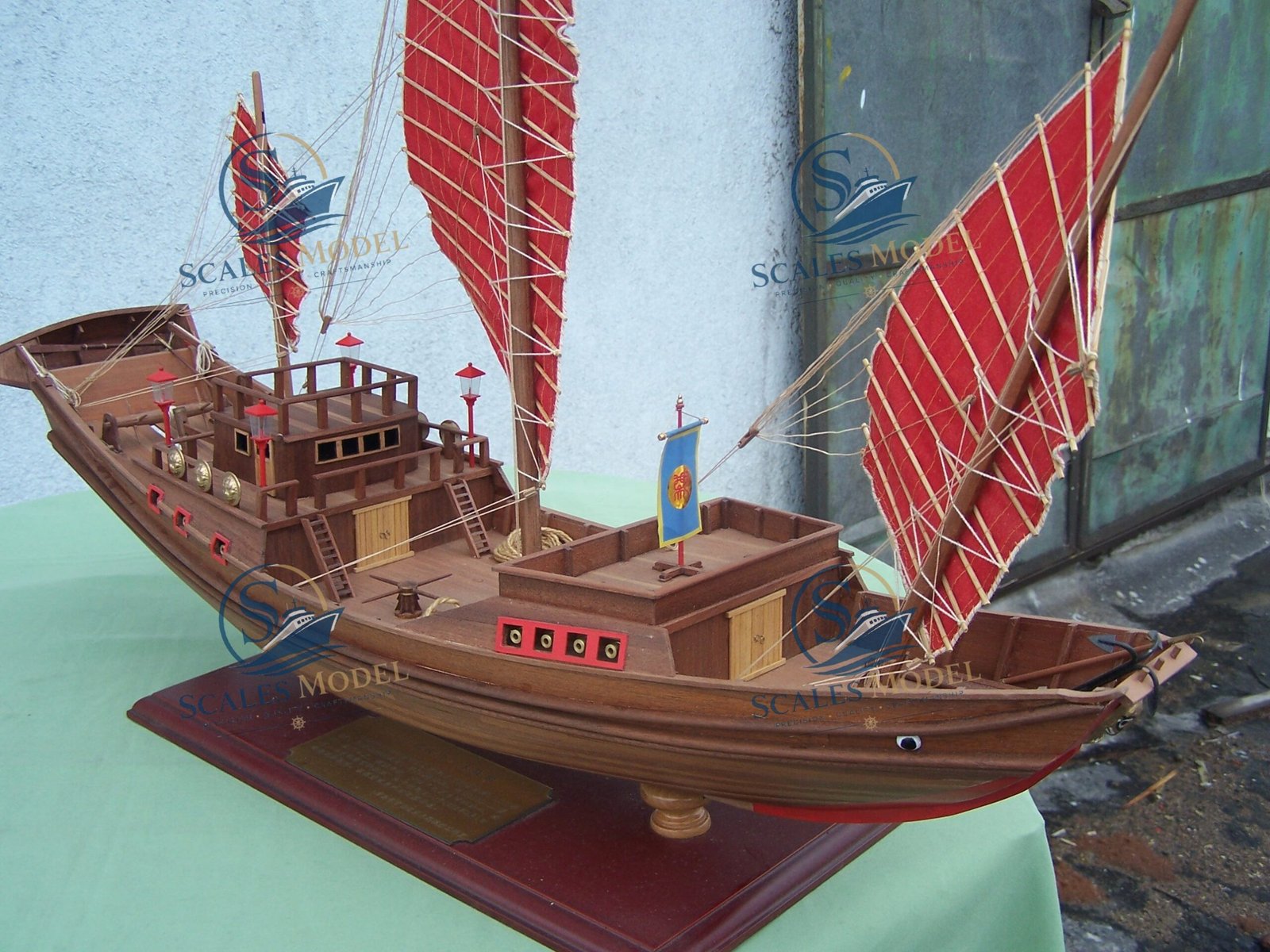
Reconstruct traditional sailing vessels, merchant ships, naval vessels and culturally important maritime subjects.
Shipping History Displays
Show how merchant vessels developed from sailing ships to modern container, bulk and specialized cargo vessels.
Technology Exhibitions
Present ship construction, deck equipment, propulsion-related concepts and marine engineering through physical vessel representations.
Educational Programs
Use scale models as visual references for guided tours, lectures and maritime education.
Temporary Exhibitions
Develop vessel-specific displays around anniversaries, regional maritime stories, industries or historical themes.
Historic & Modern Vessel Stories for Museum Displays
Maritime museums do not need to limit ship-model collections to historical sailing vessels. Modern working ships can also explain how maritime industries evolved.
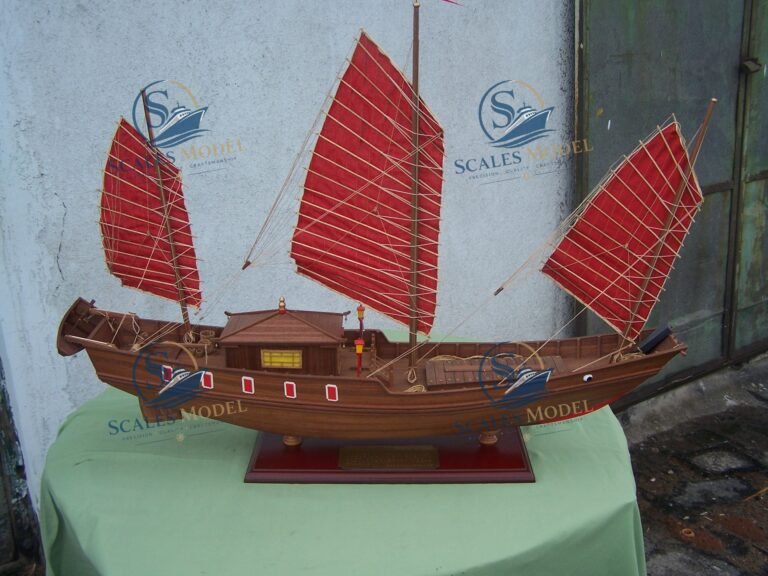
Historic & Traditional Vessels
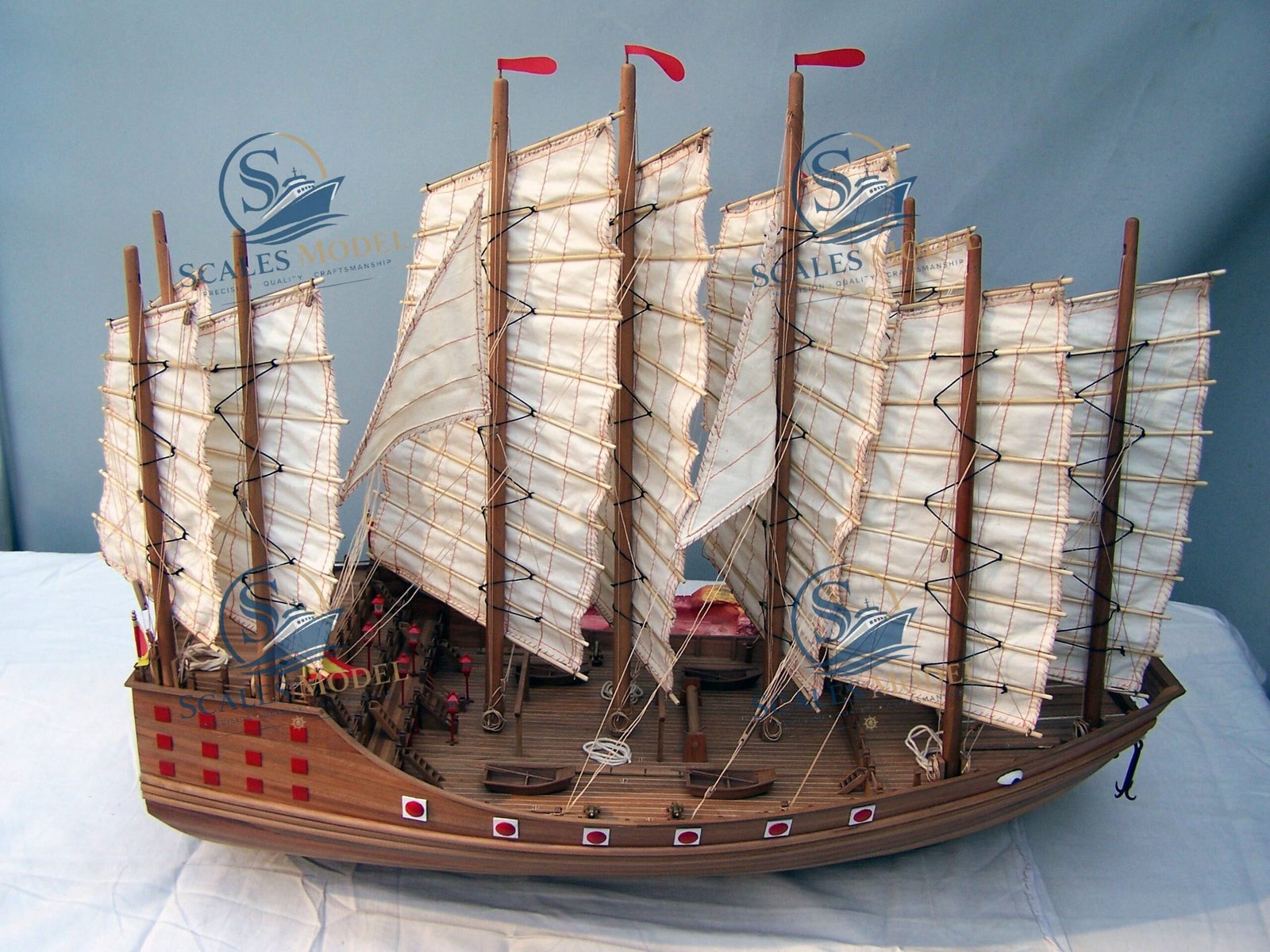
Sailing ships, traditional wooden vessels and historically significant ships for maritime heritage interpretation.
Commercial Shipping
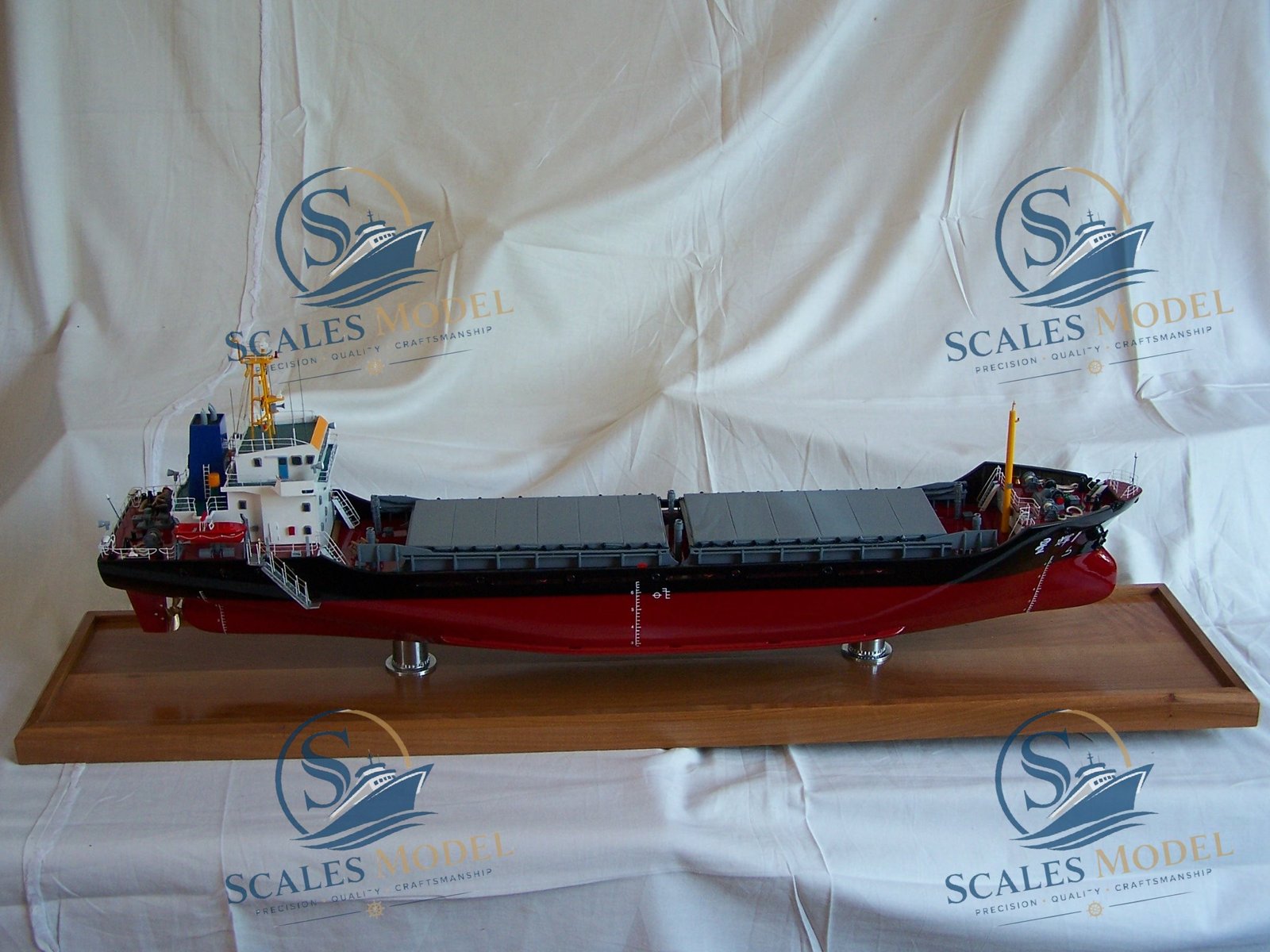
Cargo vessels can help explain the evolution of global trade, port systems and modern shipping.
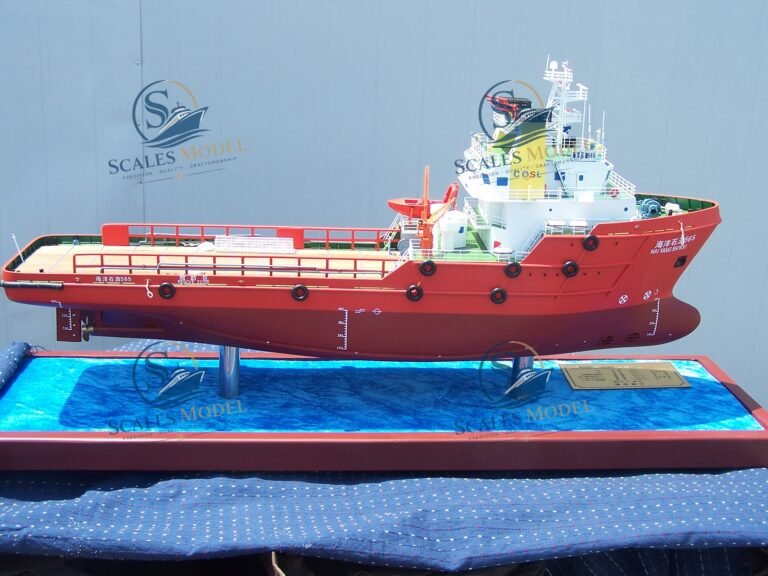
Offshore & Technical Vessels
Working decks, cranes and specialist machinery can illustrate offshore and marine engineering development.
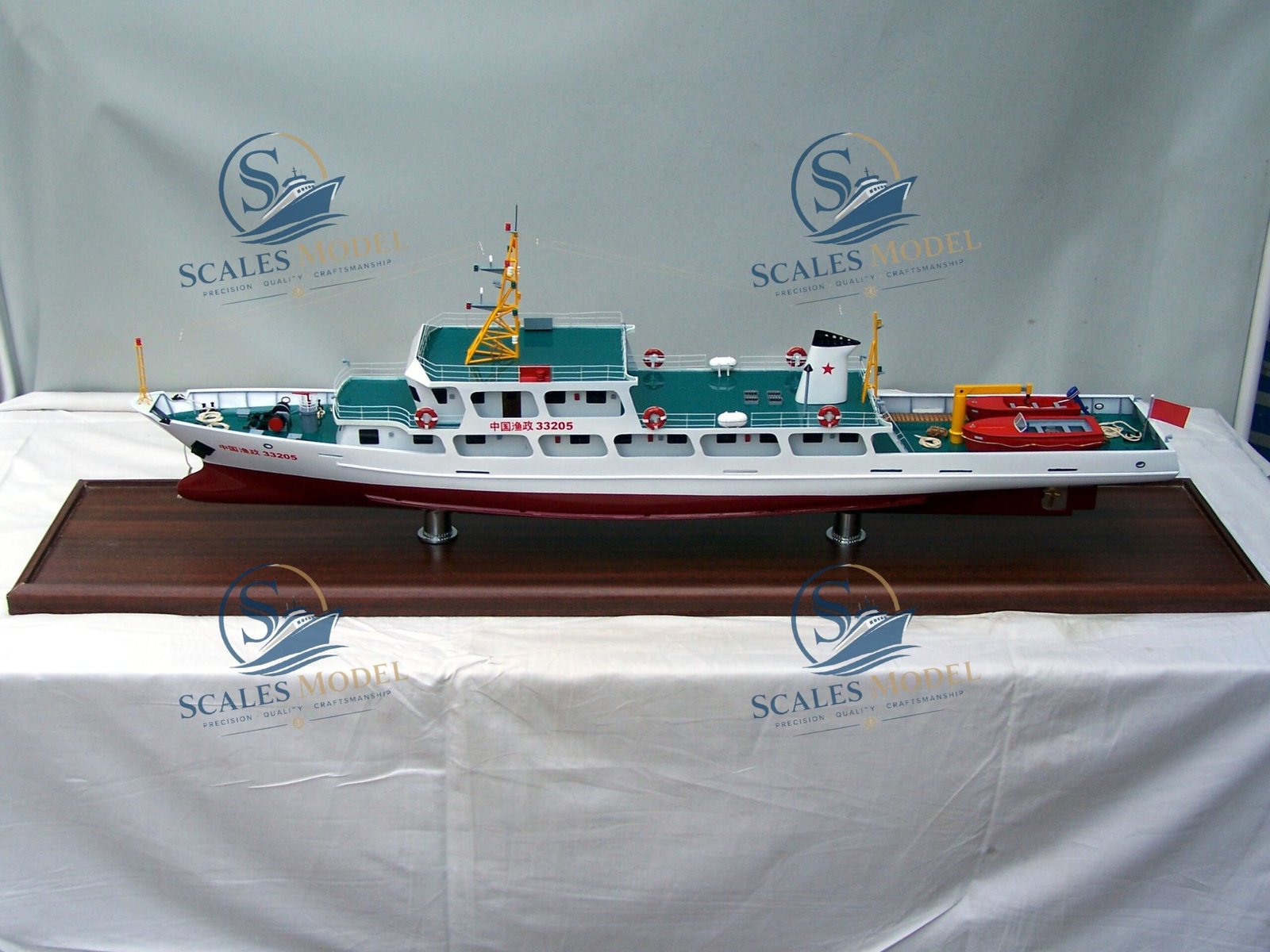
Fishing & Specialist Vessels
Fishery-related and specialist vessels can support exhibits about coastal industries, marine resources and public maritime services.
What Can a Museum Ship Model Communicate?
선체 형상
Bow, stern, beam, waterline and overall vessel form help visitors understand ship design.
갑판 배치
Deckhouses, hatches, cargo areas and working zones show how vessels function.
Marine Equipment
Cranes, winches, piping, machinery and other visible equipment can illustrate vessel purpose.
Masts & Rigging
Historical sailing models can demonstrate traditional masts, sails and rigging systems.
Period Identity
Vessel colors, flags, names and markings help place the model within its historical context.
상부 구조
Bridge levels, cabins and accommodation reveal differences between vessel generations.
Human Scale
The overall model allows visitors to understand how different ship structures relate spatially.
디스플레이 받침대
A professional base supports the model and integrates it into the exhibition.
안내판
Vessel name, date, scale and interpretive information can accompany the display.
Historic Museum Models May Require Multiple Sources
Museum projects often involve vessels for which a complete modern engineering package no longer exists. Available references can therefore be combined before model development begins.
Historical Drawings
Vessel plans and profiles can establish hull proportions and major structural relationships.
Archival Photographs
Historic photographs can help identify deck equipment, markings and real-world appearance.
Museum Research
Existing curatorial research can help clarify vessel period, configuration and interpretation priorities.
Illustrations & Records
Historical illustrations and written information may provide additional visual context where other documentation is incomplete.
Build Museum Ship Models From the Information You Have
Modern vessels may arrive with detailed technical documentation, while older ships may rely more heavily on photographs and historical records.
도면을 바탕으로 제작
General arrangement drawings, historical vessel plans and profiles can provide dimensional references.
도면을 바탕으로 제작 →사진으로 만들기
Photographs can help reconstruct appearance, equipment and markings when technical information is limited.
사진으로 만들기 →CAD 및 3D 설계
Digital design references can support modern, technical or reconstructed vessel model development.
CAD 및 3D 설계 →Plan the Model Around the Exhibition Environment
모형 축척
Select scale according to vessel size, gallery space and viewing distance.
Detail Level
Prioritize structures most relevant to the exhibition story.
Historic Configuration
Define the vessel period or configuration represented by the model.
디스플레이 받침대
Use a professional base suited to permanent or temporary display.
Exhibit Plaque
Add vessel name, model scale and project information.
Protective Case
Consider protection for long-term public exhibition environments.
여러 모델
Build a vessel series to explain technological or historical development.
Collection Consistency
Coordinate scale, bases and presentation across several related museum models.
Reconstruct Ships That No Longer Exist
Some historically important vessels survive only through drawings, photographs, archival documents or museum research.
A physical model can bring these references together into a three-dimensional representation that allows museum visitors to explore the vessel as a complete form.
From Curatorial Brief to Finished Museum Display
Exhibit Brief
Define vessel, historical period, display purpose and museum requirements.
참고 문헌 검토
Review drawings, photographs, research and other source material.
규모 계획
Determine finished dimensions and the appropriate level of detail.
모델 제작
Build hull, superstructure, decks, equipment and fine components.
Finish & Review
Complete colors, markings, presentation and final visual review.
포장 및 배송
Protect the completed model and prepare it for museum delivery.
Choosing a Suitable Scale for Museum Display
The best scale depends on original vessel size, gallery space, viewing distance and the level of detail visitors should be able to inspect.
Maritime Heritage & Marine Technology in Scale
Selected Scales Model photographs showing traditional, commercial and technical vessel model craftsmanship.
Historic Models Are Only One Part of a Maritime Museum Collection
Maritime museums may interpret centuries of maritime development, from traditional sailing craft to specialized modern commercial and offshore vessels.
This allows a model collection to explain not only individual ships but also the evolution of ship design, cargo transport, marine engineering, fisheries and maritime industries.
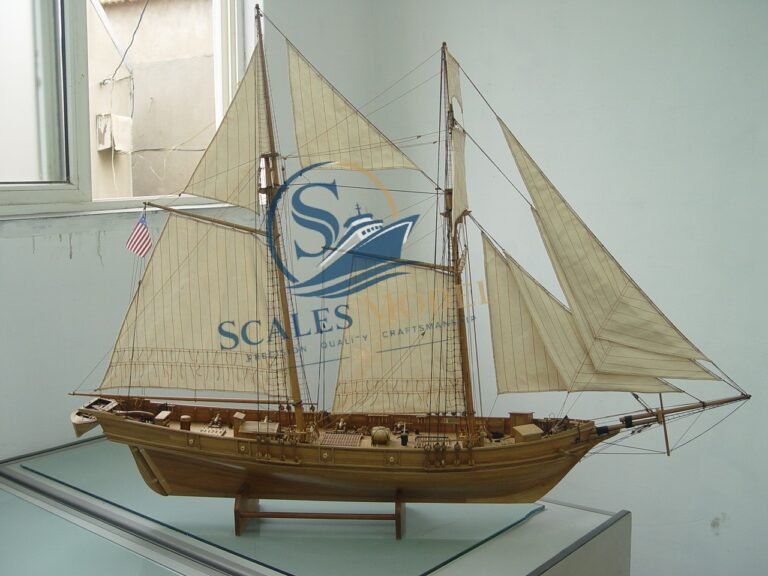
Protect Fine Details During Display & Delivery
Historic and technical ship models can contain delicate rigging, masts, railings, antennas, cranes and other small components.
Final inspection, protective packaging and careful display planning are therefore important for institutional and public exhibition projects.
From Workshop to the Final Museum Gallery
Once a museum model is completed and reviewed, the project can move to protective packaging and preparation for delivery.
The final shipping approach should take into account model dimensions, presentation base and delicate external components.
최종 검사
Review the finished model and presentation before packaging.
보호 포장
Prepare the model around its physical size and delicate components.
전 세계 배송
Prepare the museum project for transportation to its final exhibition location.
Museum, Heritage & Ship Model Resources
Ship Models for Maritime Museums – FAQ
Can you create custom ship models for maritime museums?
Can you recreate a historic vessel that no longer exists?
Can museum ship models be built from old photographs?
Can you produce modern ship models for museums as well as historic ships?
Can you make a series of models showing the evolution of ship design?
Can the museum provide its own research and interpretation references?
Can the model include a base and information plaque?
What scale is suitable for a maritime museum model?
Can museum models be prepared for international delivery?
What should a maritime museum send for a quotation?
Planning a New Maritime Exhibition or Museum Collection?
Send Scales Model your vessel drawings, historical photographs, archival references, curatorial information and required display size. The available material can be reviewed to determine an appropriate approach for your custom maritime museum ship model project.
Send Museum Project Details & Request a Quote Korean
  English
  Chinese
  Spanish
  German
  French
  Indonesian
  Japanese