Custom Ship Model Engineering

CAD & 3D Design for Custom Ship Models

Transform vessel drawings, engineering data, CAD files and photographic references into a structured 3D model-making plan. Scales Model uses CAD-supported design and 3D development to help translate complex marine vessels into detailed physical scale models for shipowners, shipyards, offshore companies and engineering projects.

CAD Supported Technical digital references supported
3D Development Vessel geometry converted for modeling
Model Engineering Structures divided into buildable components
Custom Manufacturing Digital design to physical ship model
HULL Geometry Review
DECK Structural Layout
EQUIPMENT Component Planning
SCALE Dimensional Conversion
DETAILS Part Separation
OUTPUT Model Production
Digital Design to Physical Model

Engineering Your Vessel Before Model Production Begins

Complex ship models often begin long before physical fabrication. Vessel information first needs to be understood, organized and converted into dimensions and components suitable for model making.

CAD drawings, general arrangement plans, digital engineering files, vessel photographs and dimensional data can provide the technical foundation for a custom marine model.

The design stage helps define the relationship between hull form, superstructure, decks, machinery, cranes, piping, masts, lifeboats and other visible vessel features before those components are manufactured at scale.

CAD Drawing Review
2D to 3D Interpretation
Vessel Scale Conversion
Component Planning
Detail Optimization
Model Production Support
Discuss Your CAD Project
CAD & 3D Capabilities

CAD and 3D Design Services for Ship Model Projects

Digital model development helps organize complex vessel information before individual model components are fabricated and assembled.

01

2D Drawing Interpretation

General arrangement plans, deck layouts, elevations and profile drawings can be reviewed to establish the vessel's principal dimensions and structural relationships.

02

3D Vessel Development

Available technical references can be translated into a three-dimensional representation suitable for planning a custom scale model.

03

Hull Geometry Planning

Hull length, beam, height, bow profile, stern form and visible hull structures can be interpreted according to project references.

04

Superstructure Modeling

Bridge structures, accommodation decks, windows, platforms, access areas and external structures can be planned digitally.

05

Equipment Reconstruction

Cranes, winches, masts, offshore machinery, lifeboats and other specialized equipment can be separated into individual model elements.

06

Production Part Planning

Complex digital structures can be divided into practical components suitable for fabrication, 3D printing, assembly and finishing.

Project Input

What Information Can You Send?

Different ship model projects begin with different types of technical information. Send everything available and the reference package can be reviewed before model development.

GA 도면 General arrangement plans and vessel layouts
CAD / DWG Existing digital ship design references
PDF Drawings Profiles, elevations and deck drawings
3D References Existing digital models or engineering data
Vessel Photos Exterior appearance and equipment references
Equipment Plans Crane, machinery and deck equipment drawings
Dimensions LOA, beam, height and principal vessel dimensions
Branding Files Vessel name, logo and color references
Why CAD Matters

Complex Vessels Require More Than a Simple Side View

Offshore ships, commercial vessels, research vessels and highly specialized marine projects can contain hundreds of visible structural relationships.

01

Proportion Control

Digital planning helps maintain relationships between hull, decks, bridge, cranes and specialized equipment when the vessel is reduced to model scale.

02

Complex Geometry

Curved hull forms, offshore structures, unusual bridge designs and equipment assemblies may require three-dimensional study.

03

Component Separation

A complete vessel must ultimately be divided into individual pieces that can be manufactured, assembled, painted and finished.

04

Detail Planning

Digital references help determine which technical features should be reproduced and how they should be simplified at a particular display scale.

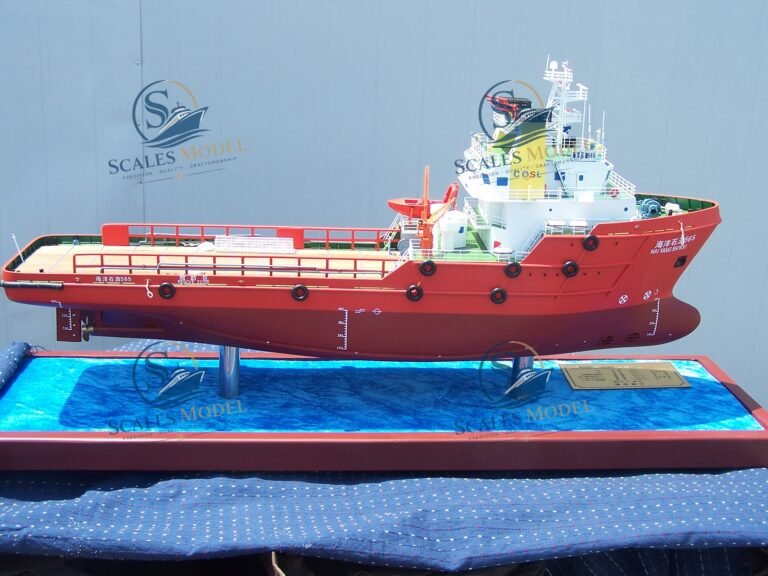
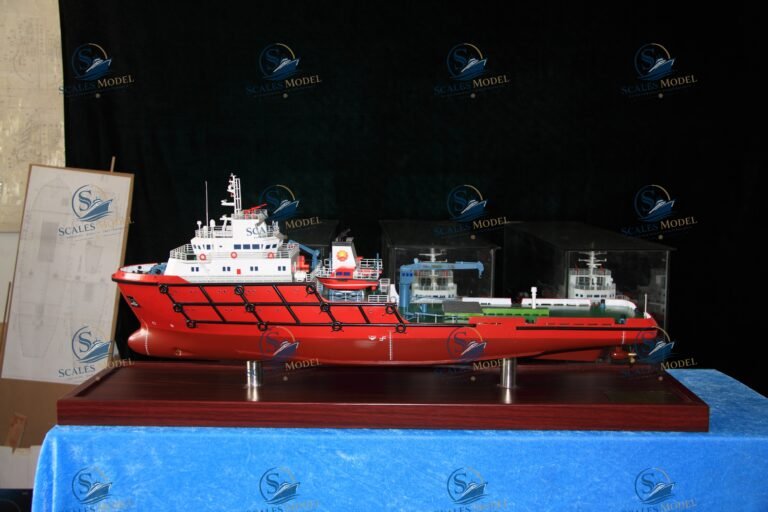
complex offshore vessel scale model developed with CAD references
Design Workflow

From CAD Files to a Finished Custom Ship Model

The digital design stage connects the customer's technical information with the physical model manufacturing process.

01

Receive Files

Drawings, CAD files, photos and vessel data are collected.

02

Technical Review

Principal dimensions and visible structures are identified.

03

Scale Conversion

Vessel dimensions are converted to the selected model scale.

04

3D Development

Important structures are organized into digital model components.

05

Model Production

Digital planning supports fabrication and physical assembly.

06

Inspection

The completed physical model is reviewed before delivery.

Three Reference Paths

Drawings, Photos or CAD – Which Method Is Best?

Many projects use more than one type of reference. Combining engineering information with real vessel photographs can provide a more complete basis for custom model development.

Option 01

도면을 바탕으로 제작

Best when general arrangement plans, deck drawings or vessel elevations are available.

Drawings help establish dimensions, proportions, equipment locations and structural relationships.

Build From Drawings →
Option 03

사진으로 만들기

Useful for existing vessels when original shipyard or engineering drawings are no longer available.

Photographs help identify appearance, colors, markings and real-world equipment configurations.

Build From Photos →
Design Benefits

How CAD Supports Custom Ship Model Manufacturing

Scale Accuracy

Technical dimensions can be converted consistently from the full-size vessel into model scale.

Complex Geometry

Three-dimensional development is useful for curved and multi-level structures.

Equipment Planning

Specialized machinery can be organized as separate components before physical fabrication.

Design Review

The relationship between major structures can be studied before full model assembly begins.

Repeated Components

Digital development can support consistent reproduction of repeated model elements.

Production Planning

Parts can be divided according to practical fabrication and assembly requirements.

Prototype Development

Digital design provides a useful foundation for physical prototype model projects.

Custom Engineering

Individual vessel features can be developed around the customer's project information.

Marine Applications

CAD-Supported Design for Complex Vessel Models

Digital model planning can support many different marine vessel categories, from commercial ships to specialized offshore engineering projects.

COMMERCIAL

Container Ships

Hull, bridge, container deck arrangements and visible equipment can be developed from vessel references.

DRY BULK

Bulk Carriers

Cargo holds, hatch covers, deck cranes and aft superstructures can be organized in model scale.

OFFSHORE

FPSO & Offshore Vessels

Dense piping, cranes, process areas and complicated deck systems can benefit from digital planning.

ENERGY

LNG / LPG Carriers

Tank structures, piping systems, bridge areas and marine equipment can be interpreted from technical references.

WORKBOATS

Tugboats

Compact vessels with dense working equipment can be reconstructed from drawings and photographs.

ENGINEERING

Prototype Vessels

New designs can be translated from digital engineering information into physical presentation models.

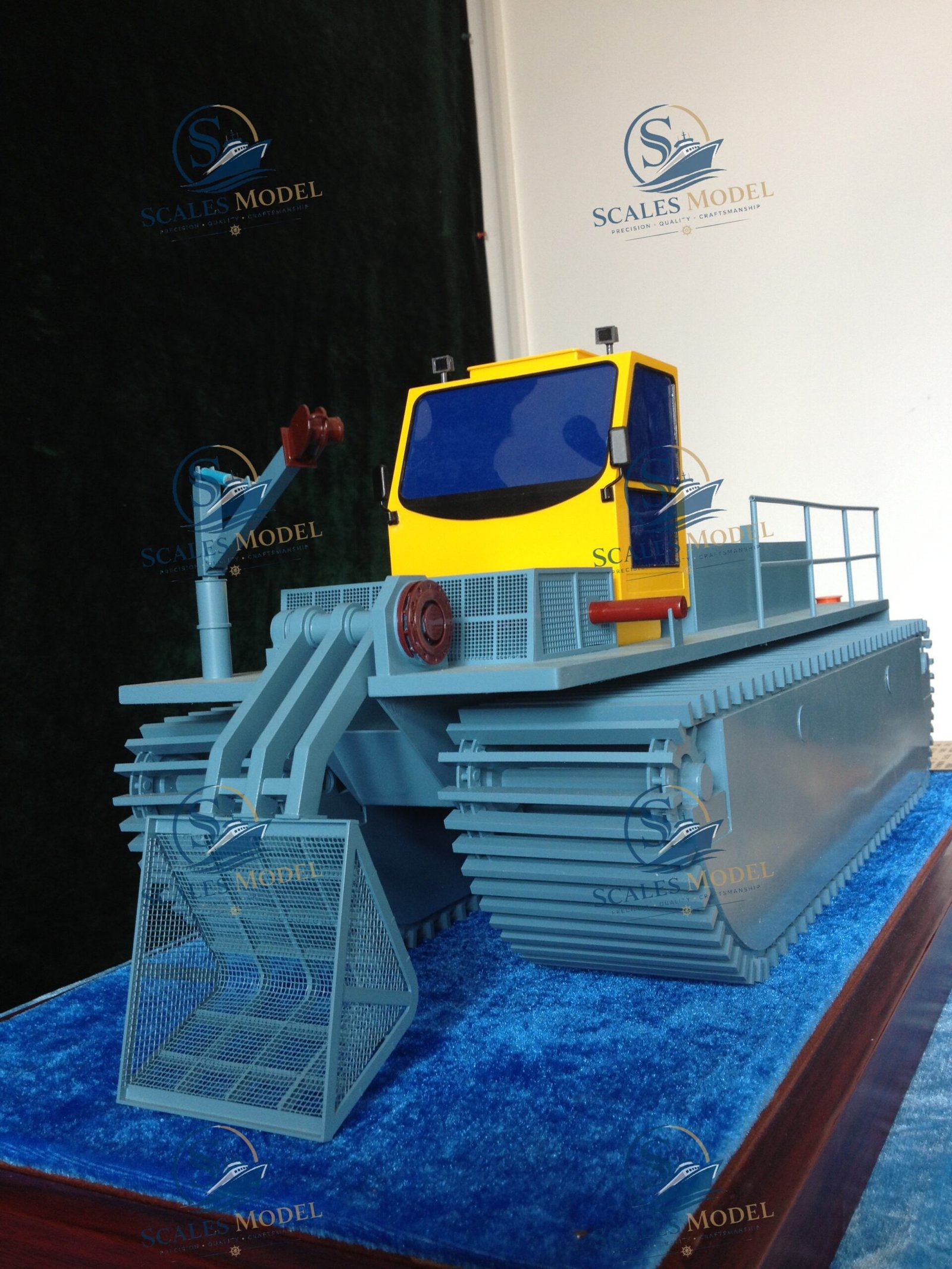
custom ship model physical fabrication from CAD and 3D design
Digital + Handcrafted

CAD Is Only One Part of the Finished Model

A digital vessel model is not the final product. The real goal is to translate engineering information into a physical model with professional visual quality.

Depending on the vessel and project, model components may involve different fabrication techniques before being assembled, finished, painted and detailed by model makers.

Fine railings, cables, deck fittings, windows, masts, cranes, lifeboats, surface finishes, logos and vessel markings all contribute to the appearance of the final presentation model.

Digital Design
Component Fabrication
Manual Assembly
Surface Finishing
Vessel Branding
Final Quality Inspection
Explore Model Materials
New Vessel Concepts

CAD & 3D Design for Prototype Ship Models

A custom ship model does not always represent a vessel that already exists.

Shipyards, marine engineering companies and vessel designers may require a physical model of a proposed design, concept vessel or new project before the full-size vessel has been completed.

In this situation, CAD drawings and 3D information become especially valuable because the physical model may need to be developed primarily from engineering information rather than completed vessel photographs.

The finished model can then be used for engineering presentations, exhibitions, customer meetings, project announcements or corporate display.

Explore Prototype Models
engineering prototype model developed from CAD and 3D design
DIGITAL DESIGN → PROTOTYPE
Who Uses CAD-Based Model Design?

Designed for Professional Marine Projects

SHIPYARDS

Newbuilding Projects

Convert shipyard technical information into a physical model for vessel delivery, exhibitions or customer presentation.

Shipyard Model Services →

ENGINEERING

Marine Engineering Companies

Present complex vessel, equipment and offshore engineering concepts in physical three-dimensional form.

Engineering Company Models →

OFFSHORE

역외 기업

Develop models of FPSOs, support vessels, platforms and specialized offshore engineering systems.

Offshore Model Services →

SHIPOWNERS

Vessel Fleet Models

Reproduce an existing vessel accurately for fleet presentation, company display or commemorative purposes.

Shipowner Model Services →

EXHIBITIONS

Corporate Presentations

Turn technical vessel information into an attention-grabbing physical centerpiece for trade shows and showrooms.

DESIGNERS

Concept Visualization

Use physical scale models to communicate vessel geometry, configuration and project design to customers and stakeholders.

From Digital Data to Craftsmanship

Complex Marine Models Require Detailed Planning

Different vessels present different modeling challenges. CAD-supported planning can help turn complex vessel structures into individual components suitable for model production.

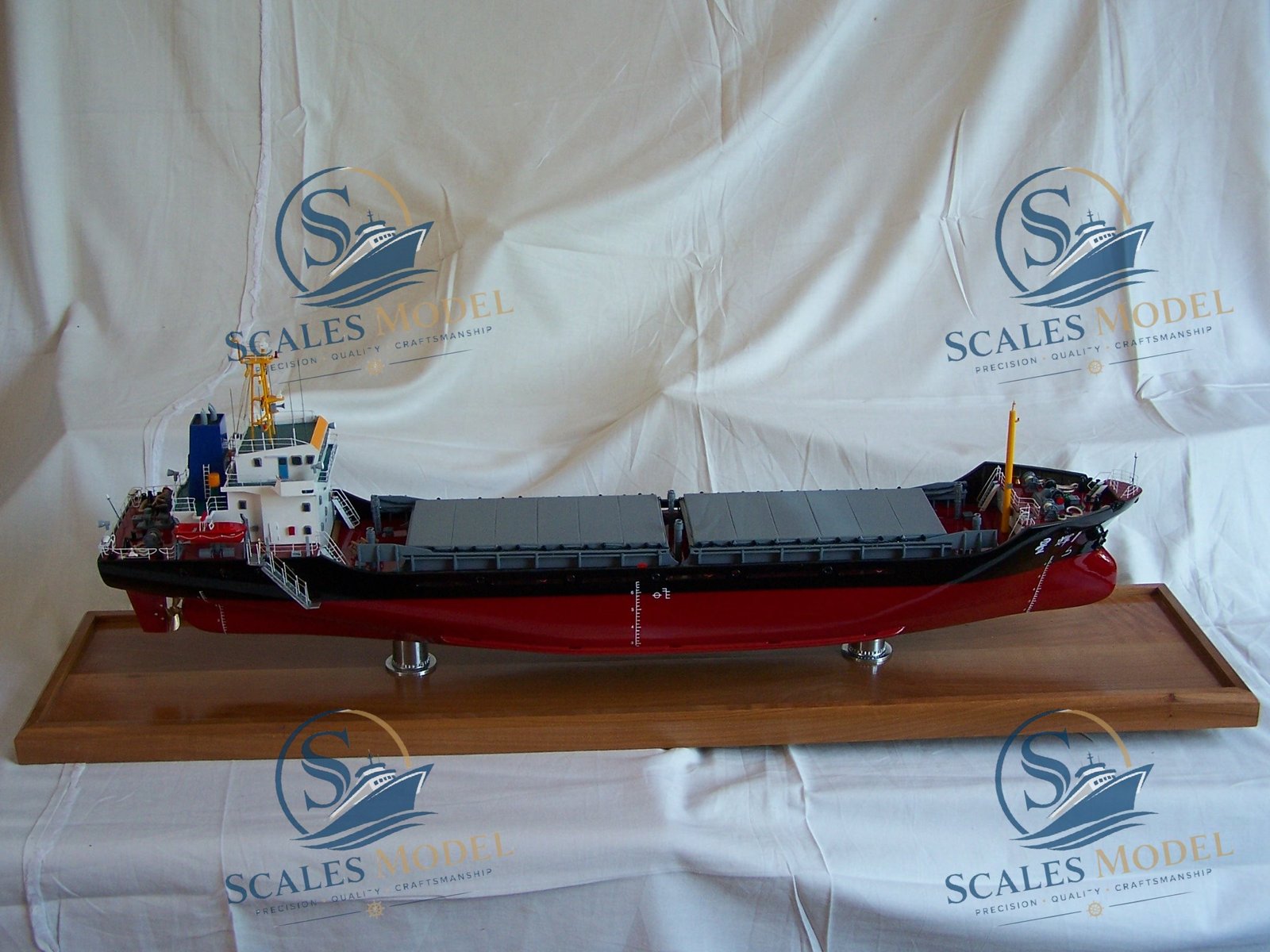
finished custom ship model quality inspection
DESIGN → BUILD → INSPECT
Digital Accuracy + Physical Quality

CAD Planning Must Be Followed by Careful Model Inspection

A technically organized design is only valuable when it is translated successfully into the finished physical model.

During model production, structural alignment, surface finishing, colors, equipment placement, railings, vessel names and other visible details must all work together.

The finished model should therefore be reviewed before packaging and shipment to confirm its overall presentation and condition.

FAQ

CAD & 3D Ship Model Design – Frequently Asked Questions

Can you use CAD drawings to make a custom ship model?
Yes. CAD drawings can provide useful technical references for vessel dimensions, hull structure, deck arrangement, superstructure and equipment locations. Available files can be reviewed together with photographs and other project information before production.
Can you work from general arrangement drawings?
General arrangement drawings are useful for understanding the overall vessel configuration, including deck levels, bridge location, machinery areas and major equipment. Additional side views, deck plans and photos can provide further information.
Do I need to provide a complete 3D model?
Not necessarily. A project can begin with different combinations of drawings, CAD data, vessel dimensions and photographs. Send the information you currently have so the reference package can be reviewed.
Can you develop a ship model from 2D drawings?
Two-dimensional vessel drawings can provide a foundation for planning three-dimensional model structures. The available level of detail depends on the completeness and quality of the references supplied.
Can CAD be used for complex offshore vessel models?
CAD-supported planning can be particularly useful for complex offshore vessels, FPSOs, engineering ships and projects containing cranes, multi-level structures, piping systems and specialized deck equipment.
Can you create a physical model of a vessel that has not been built yet?
A prototype or presentation model may be developed from available engineering drawings and design information for a proposed or under-construction vessel. See our Prototype Models page for related project applications.
Can photographs be used together with CAD drawings?
Yes. CAD and engineering drawings provide structural and dimensional information, while vessel photographs help show colors, markings, equipment appearance and the vessel's real-world configuration.
What information should I send for a CAD ship model quotation?
Send the available drawings or CAD files, vessel type, vessel name, principal dimensions, photos, desired model scale or finished model length, quantity, delivery destination and any special customization requirements.
Start Your Project

Have CAD Files or Ship Drawings? Turn Them Into a Physical Model.

Send Scales Model your available CAD drawings, GA plans, vessel photographs, dimensions and project requirements. We can review the references and discuss the appropriate path from digital vessel design to a custom physical scale model.

Send CAD Files & Request a Quote
ko_KRKorean
위로 스크롤